
Navigating the healthcare system can be overwhelming, especially when you’re advocating for a senior loved one. Being an effective advocate means ensuring your loved one receives the best possible care, understanding the treatment options, and making his or her voice heard. This guide offers practical ways to support your loved one through his or her healthcare journey.
Stay Organized and Informed
One of the most important aspects of healthcare advocacy is keeping detailed records. Medical information can be complex and extensive, so maintaining a well-organized file is crucial for tracking your loved one’s health journey and communicating effectively with medical professionals.
- Keep a health journal – Document symptoms, medications, appointment dates, and any questions you have for the doctor.
- Create a medical binder – Store copies of test results, insurance information, doctor’s notes, and a list of all medications and dosages.
- Prepare for appointments – Before each visit, write down a list of questions and concerns to ensure you cover everything during the limited time with the doctor.
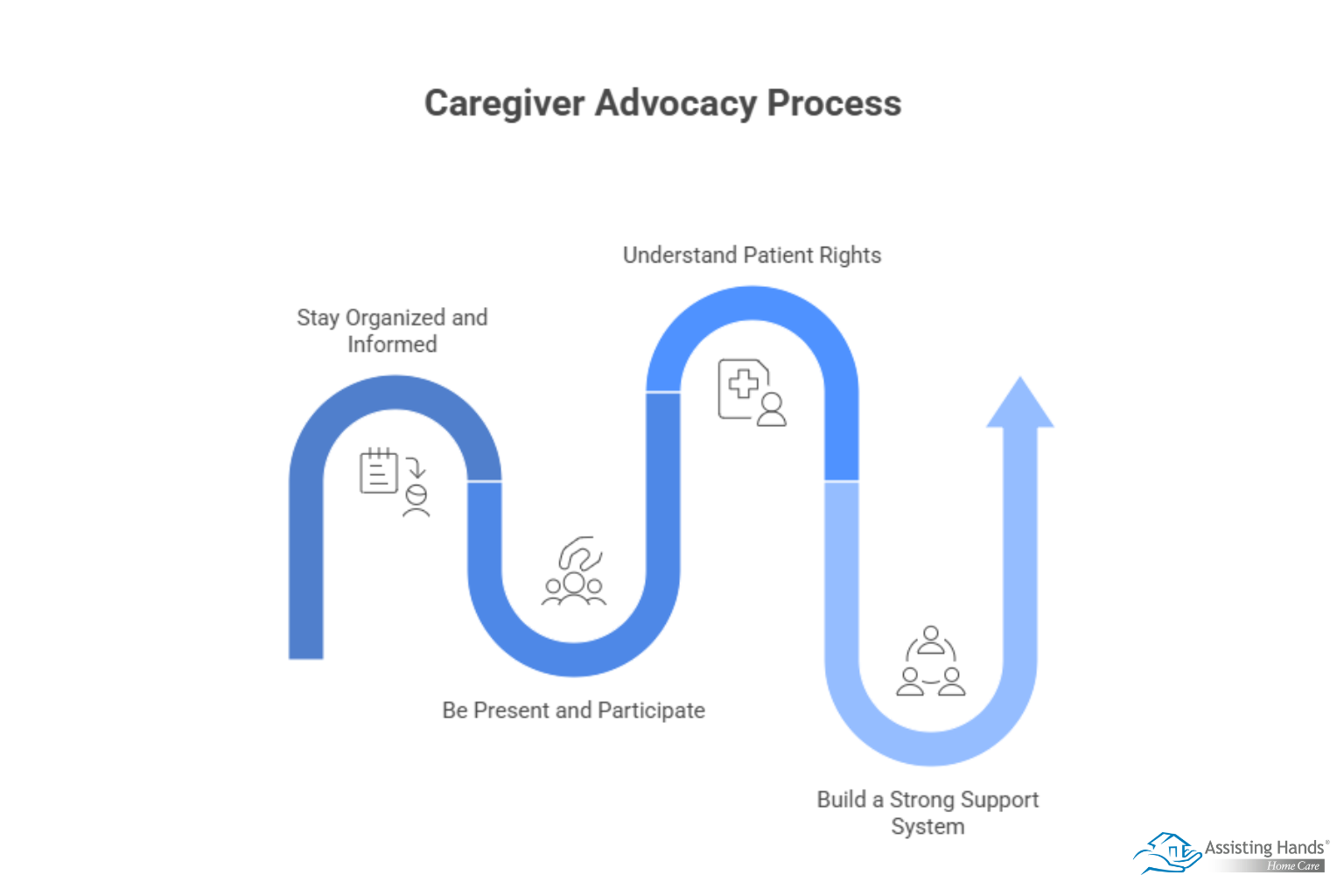
Be Present and Participate
Your presence at medical appointments is invaluable. You can serve as a second set of ears, ask important questions, and provide emotional support. Active participation ensures you and your loved one are fully engaged in the decision-making process.
- Attend all major appointments – Whenever possible, go with your loved one to see the doctors, especially for consultations or when discussing new treatments.
- Take notes – Write down what the doctor says, including diagnoses, treatment plans, and medication instructions. This can prevent misunderstandings and ensure you remember key details later.
- Speak up – Don’t hesitate to ask for clarification if you don’t understand something. Ask questions like “Can you explain what that means?” or “What are the next steps?”
One of many things to consider is whether and when to hire a professional caregiver for your loved one. Families looking for top-rated Savannah elderly home care providers can reach out to Assisting Hands Home Care. From respite care to specialized Alzheimer’s, dementia, stroke, and Parkinson’s care, there are many ways we can make life easier for seniors and their loved ones.
Understand Your Loved One’s Rights
Patients have specific rights that protect their access to care and information. Knowing these rights empowers you to ensure your loved one is treated with respect and receives the care he or she is entitled to.
- Right to information – Patients have the right to receive clear information about their diagnoses, treatment options, and the potential risks and benefits.
- Right to consent – Your loved one must give informed consent before any non-emergency procedure. If your loved one is unable, his or her designated healthcare proxy can make decisions.
- Right to a second opinion – If you’re unsure about a diagnosis or treatment plan, you have the right to seek a second opinion from another doctor.
Caring for a senior loved one can be difficult, but compassionate help is just a phone call away. Certain age-related conditions can make it more challenging for older adults to age in place safely and comfortably, but experts in live-in care for Savannah seniors are available around the clock to help aging adults manage their health. Whether your loved one is living with dementia or recovering from a stroke, you can trust the professional caregivers from Assisting Hands Home Care to enhance his or her quality of life.
Build a Strong Support System
Advocating for a loved one can be emotionally and physically draining, so building a support network is essential for both of you. This network can provide practical help, emotional comfort, and professional guidance when you need it most.
- Involve family and friends – Don’t be afraid to ask for specific help, whether it’s sitting with your loved one during an appointment or assisting with daily tasks.
- Join a support group – Connecting with others who are in similar situations can reduce feelings of isolation and provide valuable advice and encouragement.
- Utilize community resources – Look into local services like respite care or meal delivery programs to ease your caregiving responsibilities.
Some seniors need occasional assistance at home, and oftentimes the family members who take care of them need time away to run errands, take a nap, go to work, or take a vacation. The Savannah respite care experts from Assisting Hands Home Care are available on an as-needed basis, giving your family peace of mind that your loved one will remain safe and comfortable while you relax or focus on other important responsibilities. Call us today to learn about our comprehensive in-home care plans.