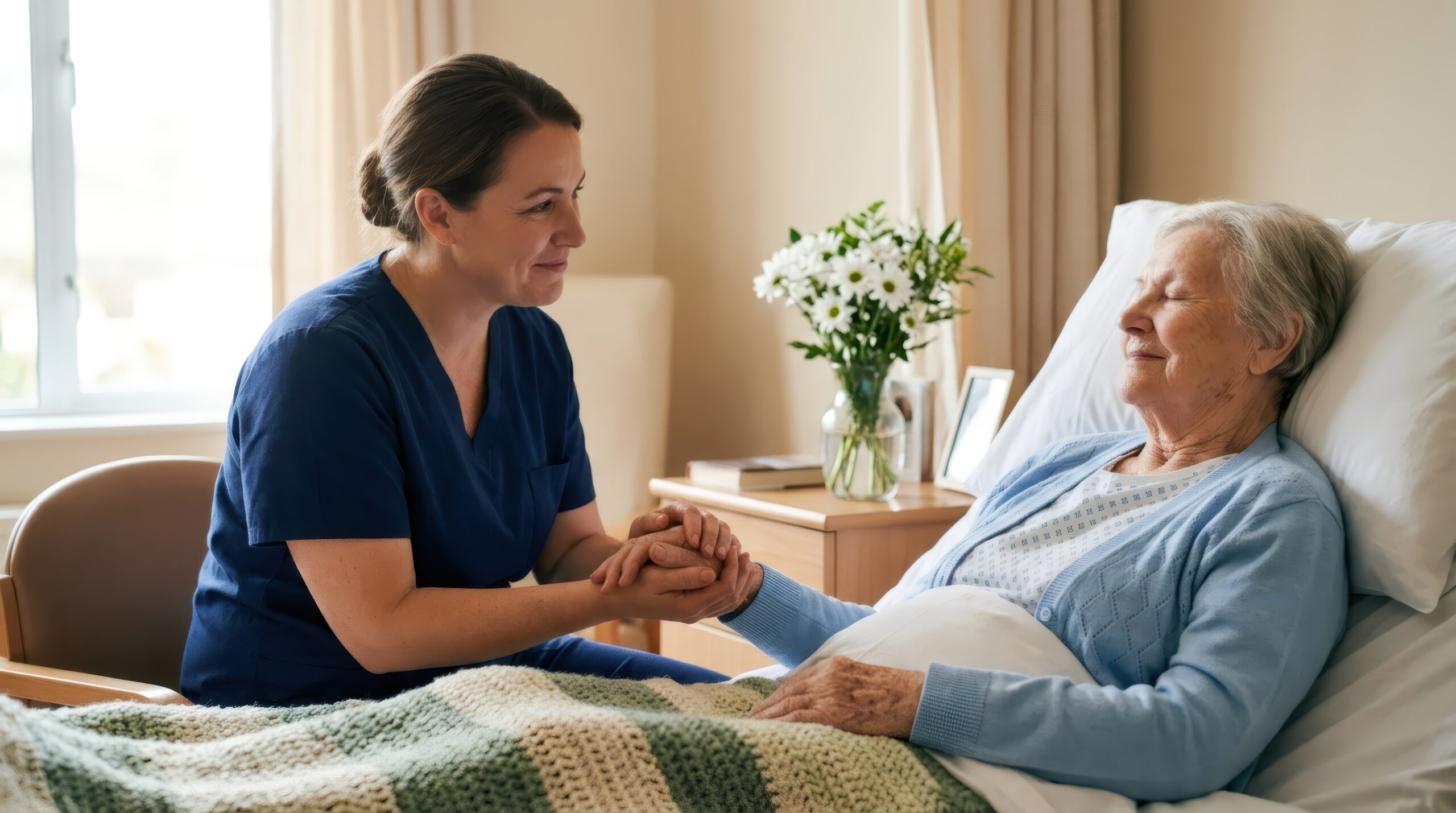
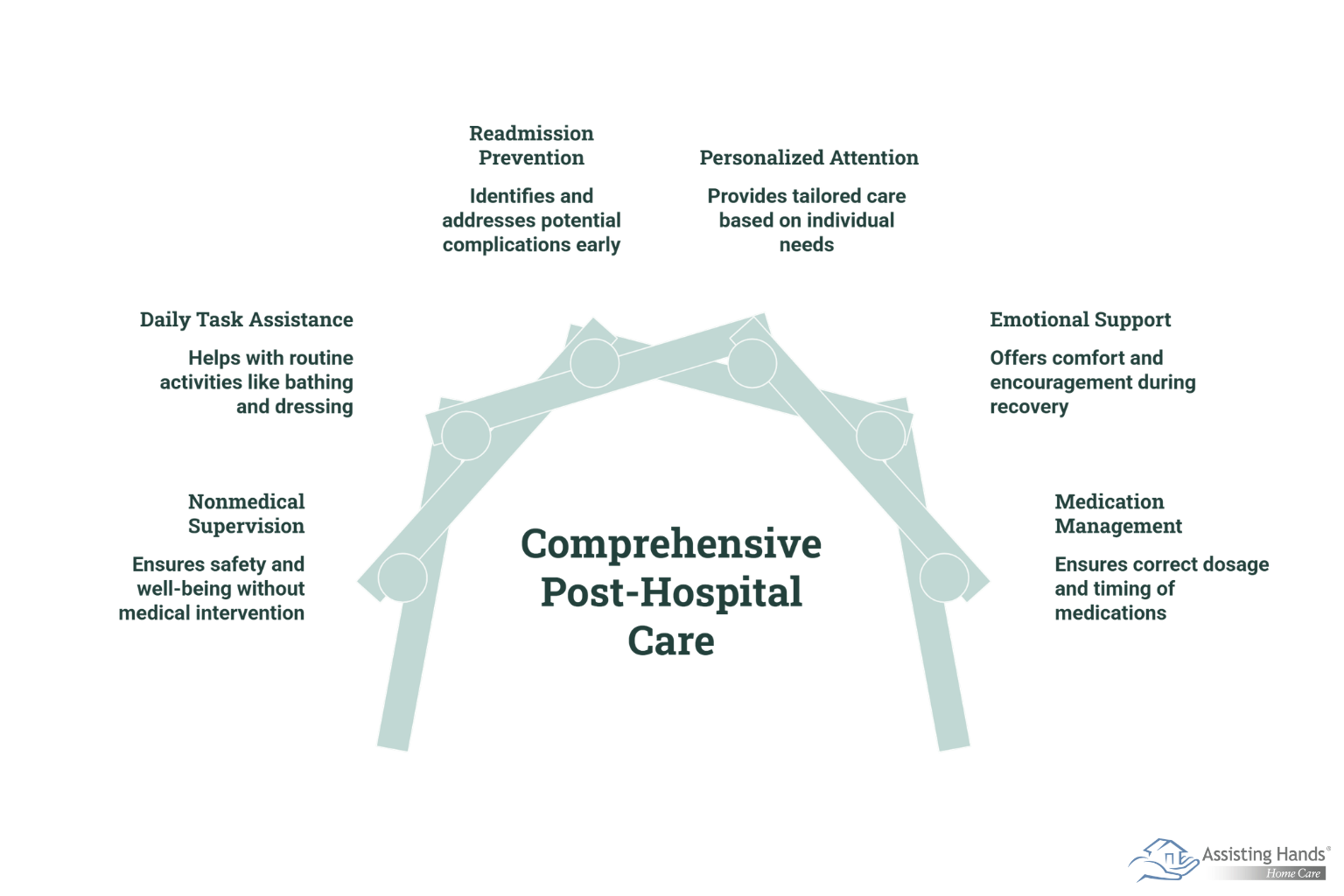
Professional care supports post-hospital recovery at home by providing nonmedical supervision, assisting with daily tasks, and actively reducing the risk of readmission. This specialized support ensures seniors can heal safely and comfortably in familiar environments. Tailored assistance ultimately bridges the gap between hospital discharge and full independence.
What Are the Main Benefits of In-Home Care?
In-home care offers several critical advantages for recovering individuals. It provides personalized attention, emotional support, and a reduced risk of hospital-acquired infections. Caregivers also help seniors organize complicated medication schedules by offering reminders and coordinate closely with primary doctors to keep the recovery process on track.
How Does Professional Support Prevent Hospital Readmissions?
Professional support directly lowers readmission rates by identifying early warning signs of complications. Caregivers monitor vital signs, ensure treatment plans are strictly followed, and maintain safe, hazard-free home environments. This proactive approach stops minor health fluctuations from turning into major medical emergencies.
Which Daily Activities Can Caregivers Assist with during Recovery?
Recovering seniors often have difficulty with basic routines due to physical pain, fatigue, or limited mobility. Professional caregivers step in to help with various essential daily activities:
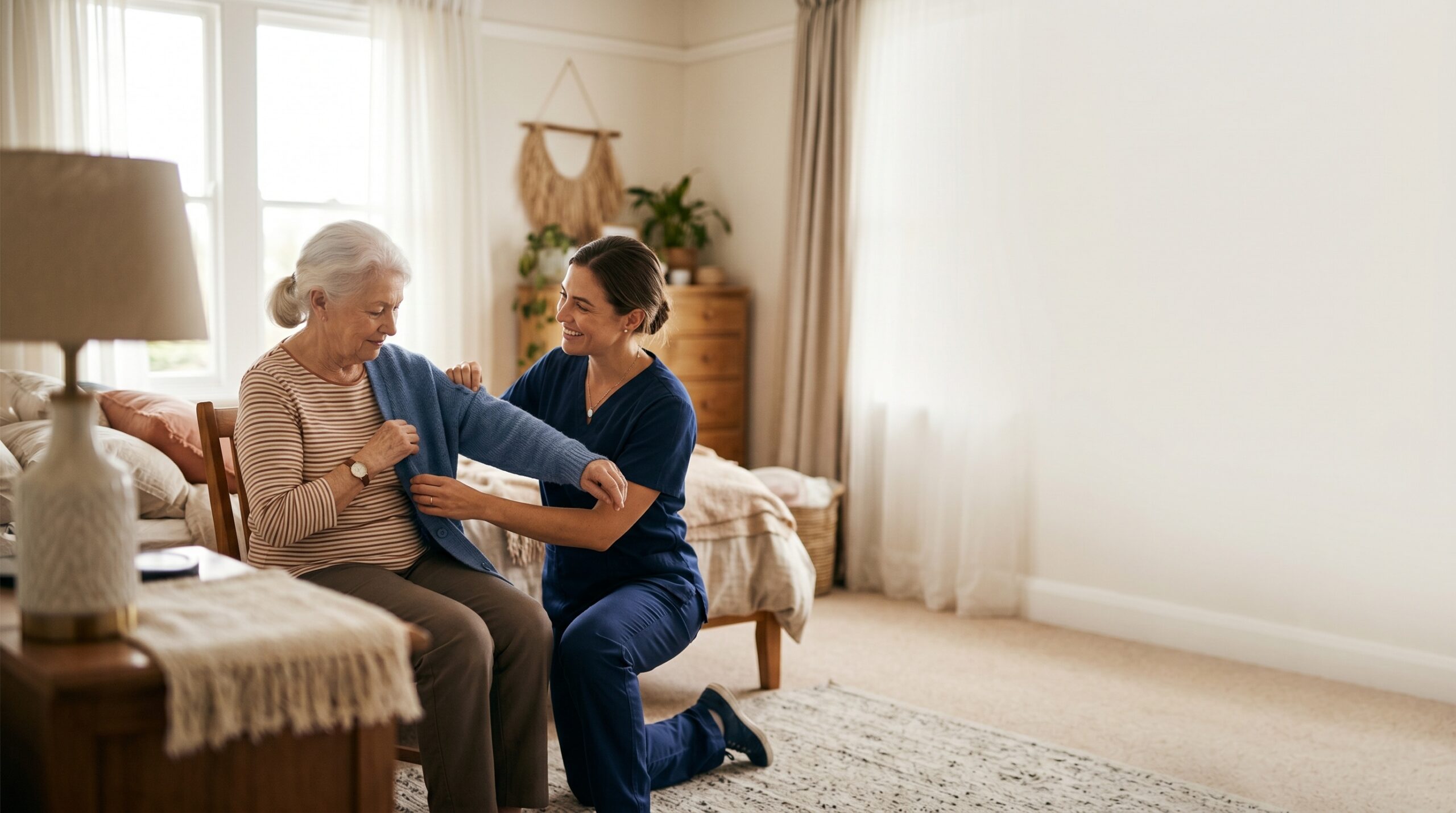
- Bathing, dressing, and personal grooming
- Meal preparation and dietary monitoring
- Light housekeeping and laundry
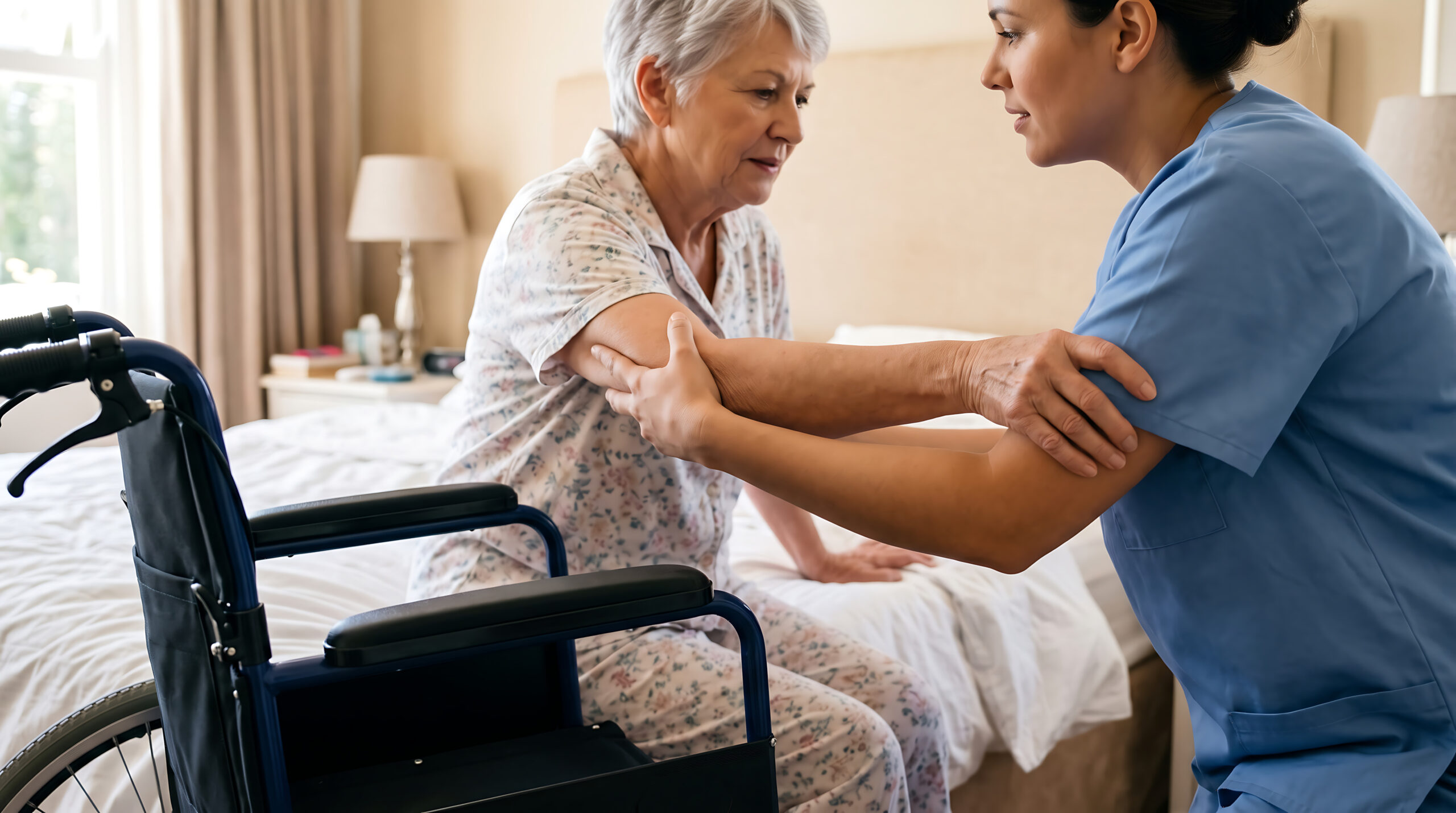
- Safe transfers between the bed, wheelchair, and bathroom
Although it may be challenging to find reliable, highly rated Savannah at-home care, families can turn to Assisting Hands Home Care. Our caregivers are expertly trained to assist seniors with a wide array of important tasks, including cooking, bathing, light housekeeping, and exercise.
Why Is Medication Organization Crucial for Post-Hospital Care?
Seniors frequently leave the hospital with new or complex prescriptions that can be highly confusing to manage alone. Professional caregivers ensure the correct doses are taken at the right times, preventing dangerous drug interactions or skipped medications. Strict medication organization accelerates the healing process and minimizes severe side effects.
For some families, caring for a senior loved one can be overwhelming at times. Luckily, families can rely on the exceptional respite, live-in, and overnight care provided by the experienced professionals from Savannah Assisting Hands Home Care. We are a trusted name in respite and hourly care, and our caregivers are available around the clock to assist seniors with bathing, transportation, medication reminders, exercise, and much more, allowing families the time they need to focus on other important responsibilities or just take a break.
Whether you need respite from your caregiving duties or your aging loved one needs the best Savannah 24-hour home care, Assisting Hands Home Care can meet your family’s care needs. Our dedicated caregivers are available around the clock to provide transportation to doctor’s appointments, ensure seniors take their prescribed medications, and help with a variety of tasks in and outside the home. Schedule a free in-home consultation by giving us a call today.
Frequently Asked Questions
What types of professionals provide post-hospital care at home?
+
Registered nurses, physical therapists, and home caregivers typically provide this specialized care. They can work together to address both complex needs and basic daily living assistance.
Does health insurance cover in-home recovery care?
+
Many health insurance plans, including Medicare, cover specific types of short-term home health care if it’s prescribed by a physician. You should always check with your specific insurance provider to understand your exact coverage details.
How quickly can professional home care start after a hospital discharge?
+
Services can often begin within 24 to 48 hours of leaving the hospital facility. Planning ahead and coordinating with a care agency before the actual discharge ensures a seamless transition.
Can in-home caregivers help with prescribed physical therapy exercises?
+
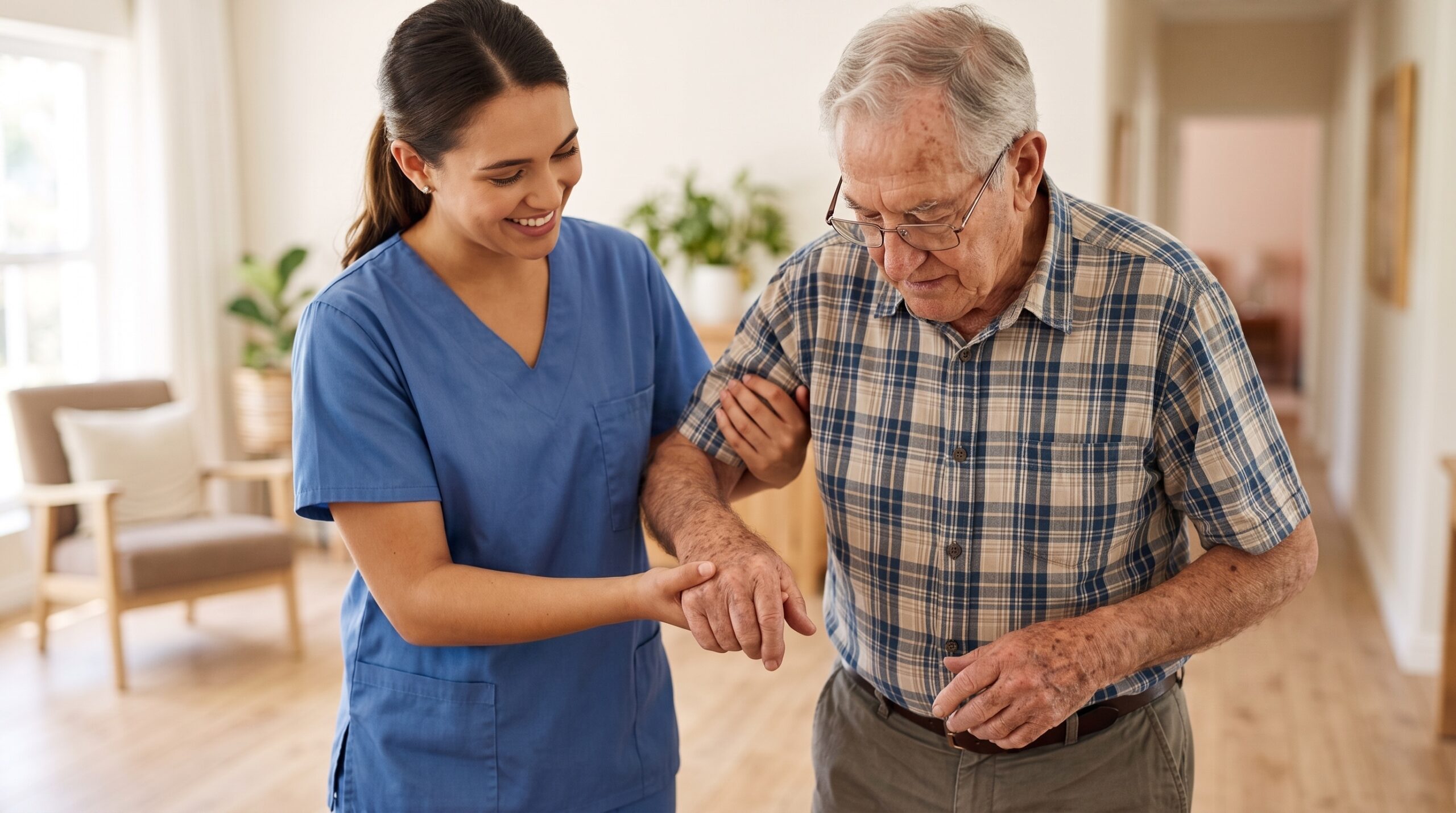
Yes, trained caregivers can guide and encourage seniors through prescribed physical therapy routines to help them safely rebuild strength. They provide necessary physical support and supervision to prevent dangerous falls during these exercises.