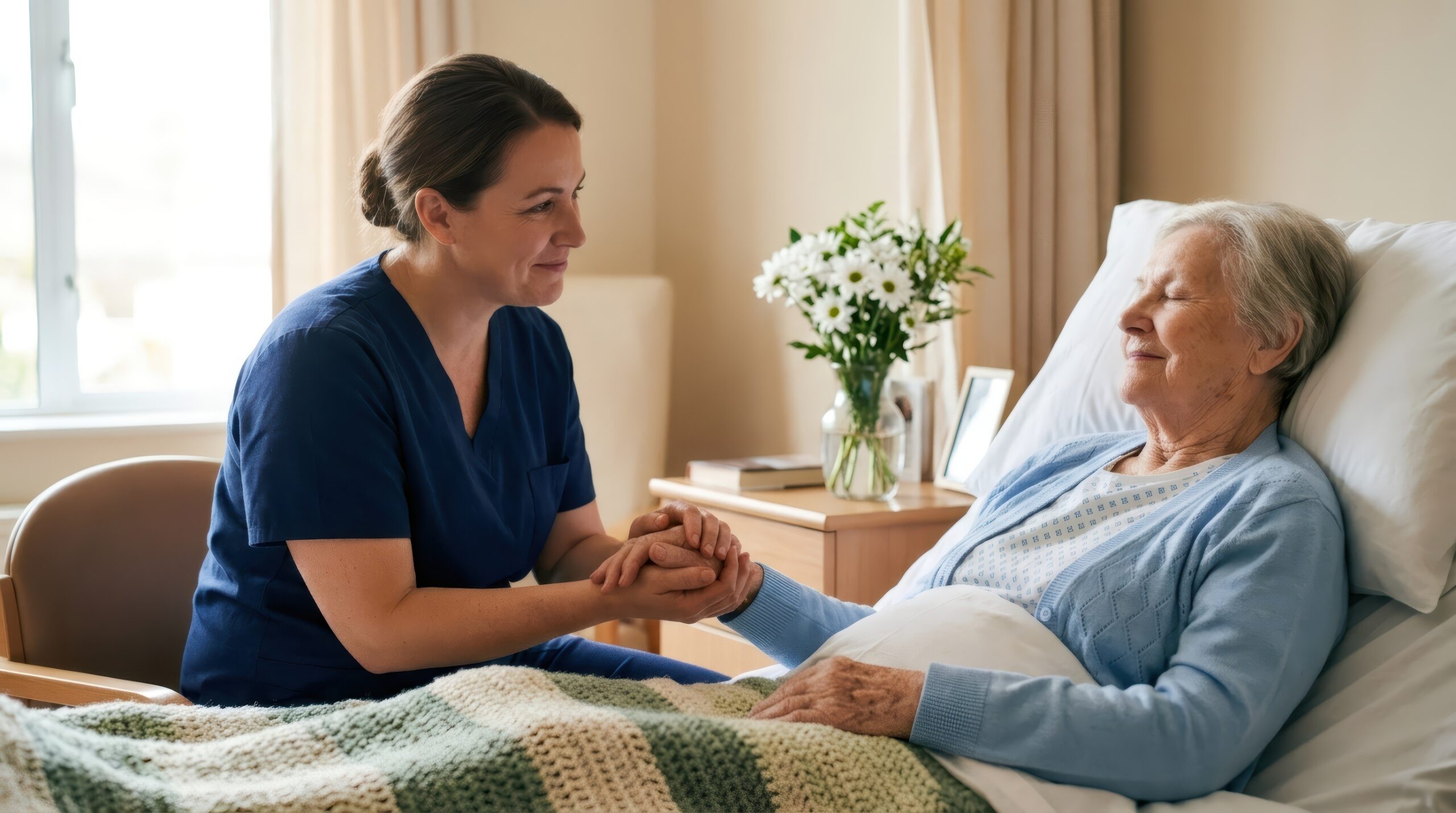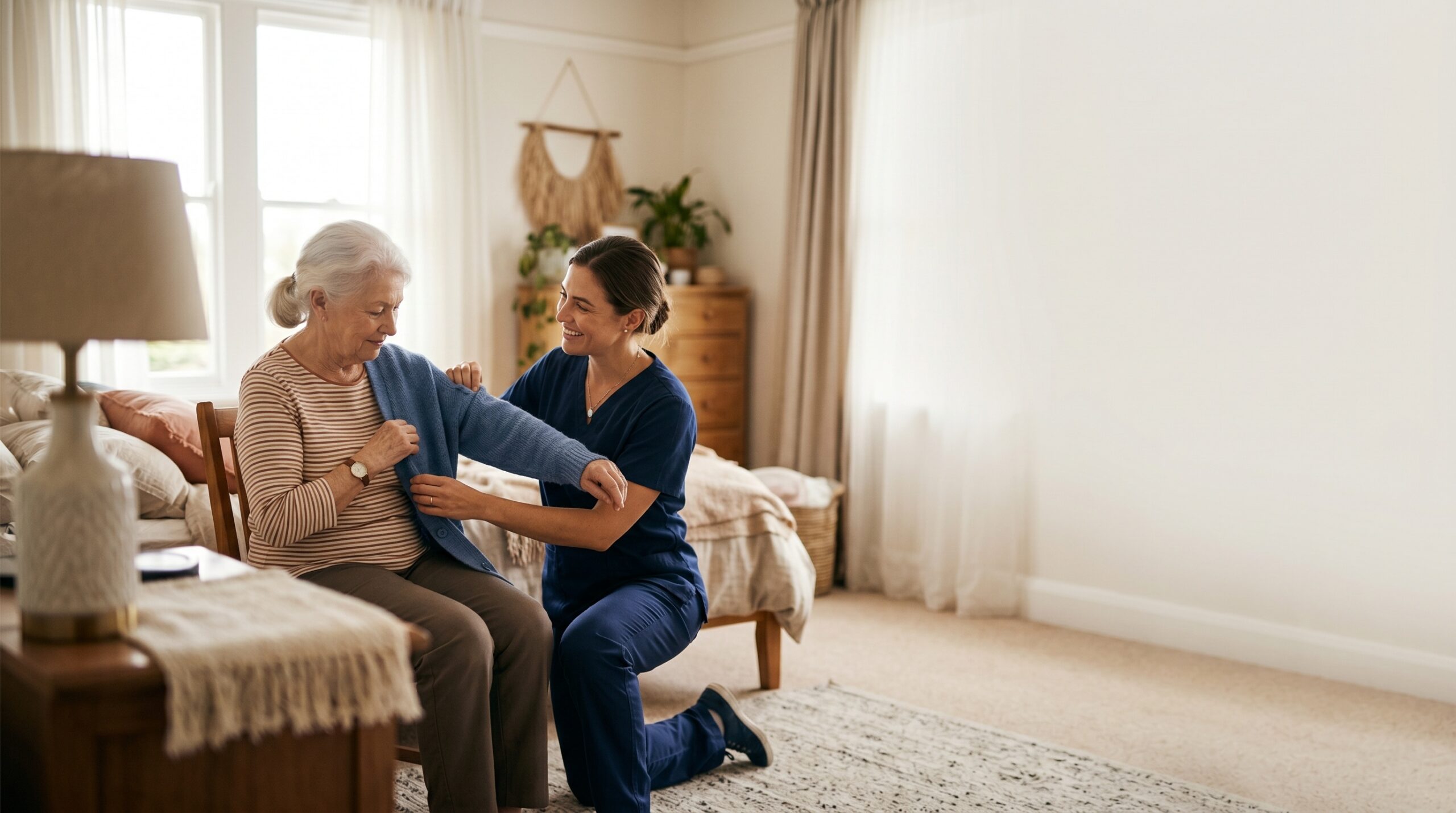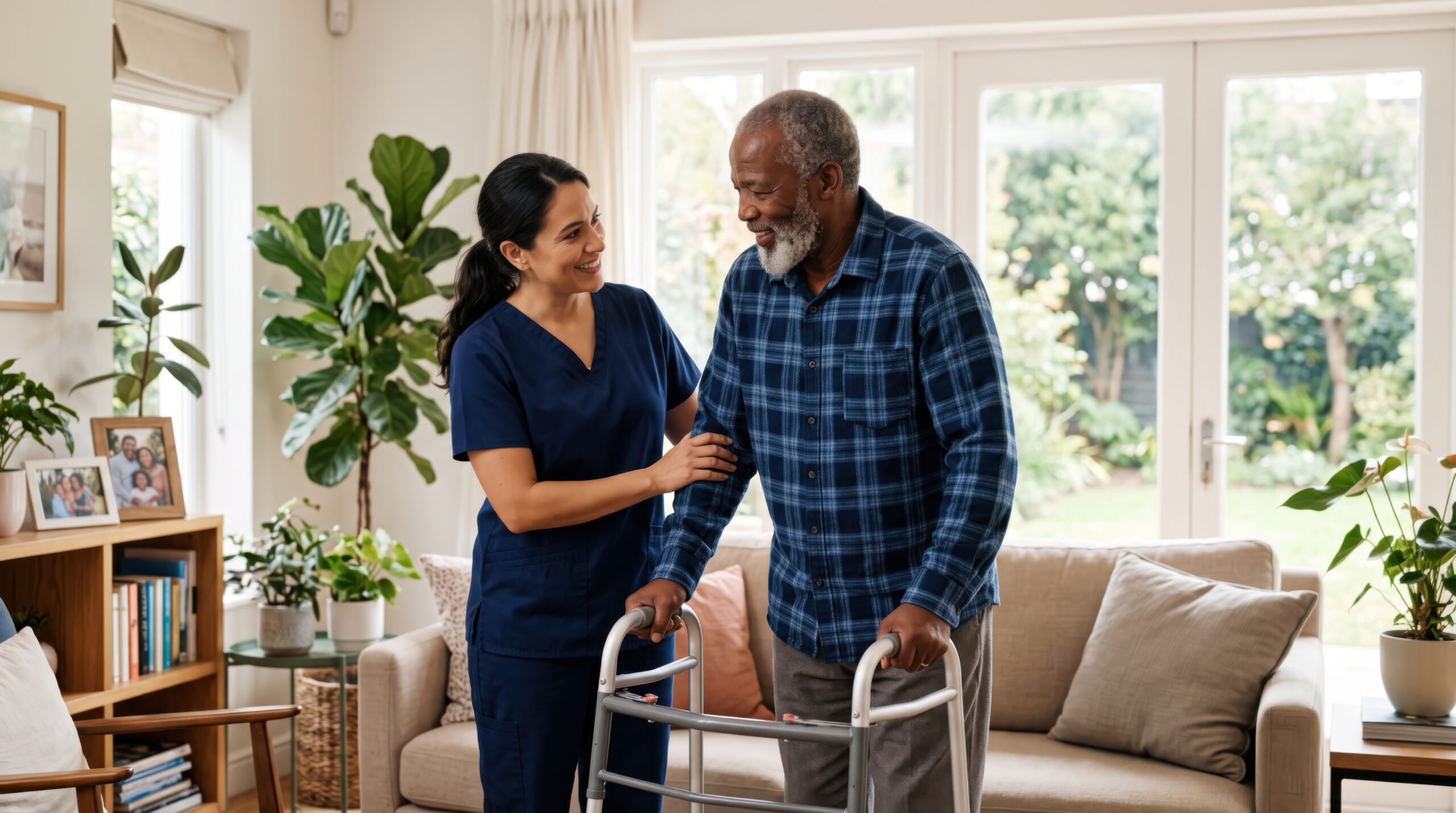
Care at home helps older adults and those with disabilities maintain physical independence by supporting daily movement, strength, and routine without the need for institutional living.
Staying physically independent is one of the most important factors in maintaining quality of life as we age. With the right support at home, individuals can continue doing what they love, on their own terms, for longer.
Many seniors prefer aging in place over moving to assisted living facilities. If your senior loved one needs assistance to remain safe and comfortable while living at home, reach out to Assisting Hands Home Care, a leading Savannah homecare services agency. Our dedicated in-home caregivers can assist with meal prep, bathing and grooming, exercise, medication reminders, and many other important tasks.
What Does Physical Independence Look Like for People Receiving Care at Home?
Physical independence means being able to perform daily activities like dressing, bathing, cooking, and moving around the home without relying entirely on others. For those receiving care at home, independence often looks like:
- Managing personal hygiene with minimal assistance
- Preparing simple meals or snacks
- Moving safely between rooms without fear of falling
- Participating in light exercise or daily walks
How Does Care at Home Preserve Strength and Mobility?
Home care supports physical function by keeping individuals active within their familiar environments. Key ways it helps include:
- Encouraging regular movement and stretching throughout the day
- Assisting with prescribed exercises recommended by physical therapists
- Reducing sedentary time by prompting engagement in household tasks
- Providing steady support during activities that carry a fall risk
What Home Modifications Support Greater Physical Independence?
A safe home environment is essential for maintaining independence. Common modifications that make a meaningful difference include:
- Installing grab bars in bathrooms and near stairs
- Removing loose rugs or clutter that create trip hazards
- Adding nonslip mats in high-risk areas like the shower and kitchen
- Rearranging frequently used items to avoid overhead reaching or bending
- Improving lighting in hallways and entryways
How Can Caregivers Encourage Independence Rather than Dependency?
The goal of home care should be to support—not replace—your loved one’s own capabilities. You can foster independence by:
- Allowing extra time for your loved one to complete tasks at his or her own pace
- Offering guidance and standby assistance rather than taking over
- Celebrating small achievements to build confidence
- Communicating openly about which tasks your loved one wants to do independently
Living independently is important for seniors who want to maintain a high quality of life. For some, this simply means receiving help with tasks that have become more challenging to manage over time. Even when families have the best intentions, they may not have the time to provide the care their elderly loved ones need and deserve. If your loved one needs help to age in place as independently as possible, reach out to Assisting Hands Home Care, a trusted provider of respite, 24-hour, and overnight home care Savannah seniors can depend on.
What Role Does Routine Play in Maintaining Physical Independence at Home?
A consistent daily routine reinforces physical function over time. Predictable schedules:
- Reduce cognitive load, making it easier to initiate daily tasks
- Support muscle memory for regular movements and activities
- Create natural opportunities for physical activity throughout the day
- Help caregivers identify early signs of physical decline before they escalate
Some seniors only require help with a few daily tasks so they can maintain their independence. However, those living with serious illnesses may need more extensive assistance. Luckily, you can rely on the exceptional professional Savannah 24-hour home care provided by Assisting Hands Home Care. Home can be a safer and more comfortable place for your loved one to live with the help of an expertly trained and dedicated around-the-clock caregiver. Trust your loved one’s care to the professionals at Assisting Hands Home Care. Reach out to one of our compassionate Care Specialists today.
Frequently Asked Questions
What types of activities can home care assist with while still promoting independence?
+
Home care can assist with bathing, dressing, meal preparation, and mobility while encouraging individuals to contribute as much as they’re able to each task.
At what point should someone consider care at home to preserve independence?
+
Care at home is most effective when introduced early—before independence is significantly compromised—allowing individuals to maintain more control over their daily lives for longer.
How often should a home care plan be reviewed to ensure it still supports physical independence?
+
Care plans should be reviewed regularly, typically every three to six months or whenever there’s a noticeable change in your loved one’s physical abilities or needs.
Can home care prevent falls for older adults living independently?
+
Yes. Home caregivers can assist with identifying fall hazards, supporting safe movement, and reinforcing exercises that increase balance and strength.
Is care at home suitable for individuals who live alone?
+
Care at home is well suited for individuals who live alone, as it provides structured support during key parts of the day while allowing them to remain in their own homes and maintain their independence.