Caring for a senior loved one with dementia can feel overwhelming, especially when you’re trying to keep him or her engaged, calm, and emotionally fulfilled. The right activities for dementia patients can bring comfort, joy, and a sense of purpose to older adults living with memory loss. Thoughtful engagement isn’t about keeping your loved one busy—it’s about helping him or her feel connected, valued, and safe in daily life.
Families exploring home care often ask how simple activities for people with dementia at home can enhance daily routines for their loved one. The good news is that meaningful engagement doesn’t require expensive tools or complicated planning. With a few thoughtful approaches, families can create a structured day full of joy, memory stimulation, and connection.
Why Activities Matter for People with Dementia
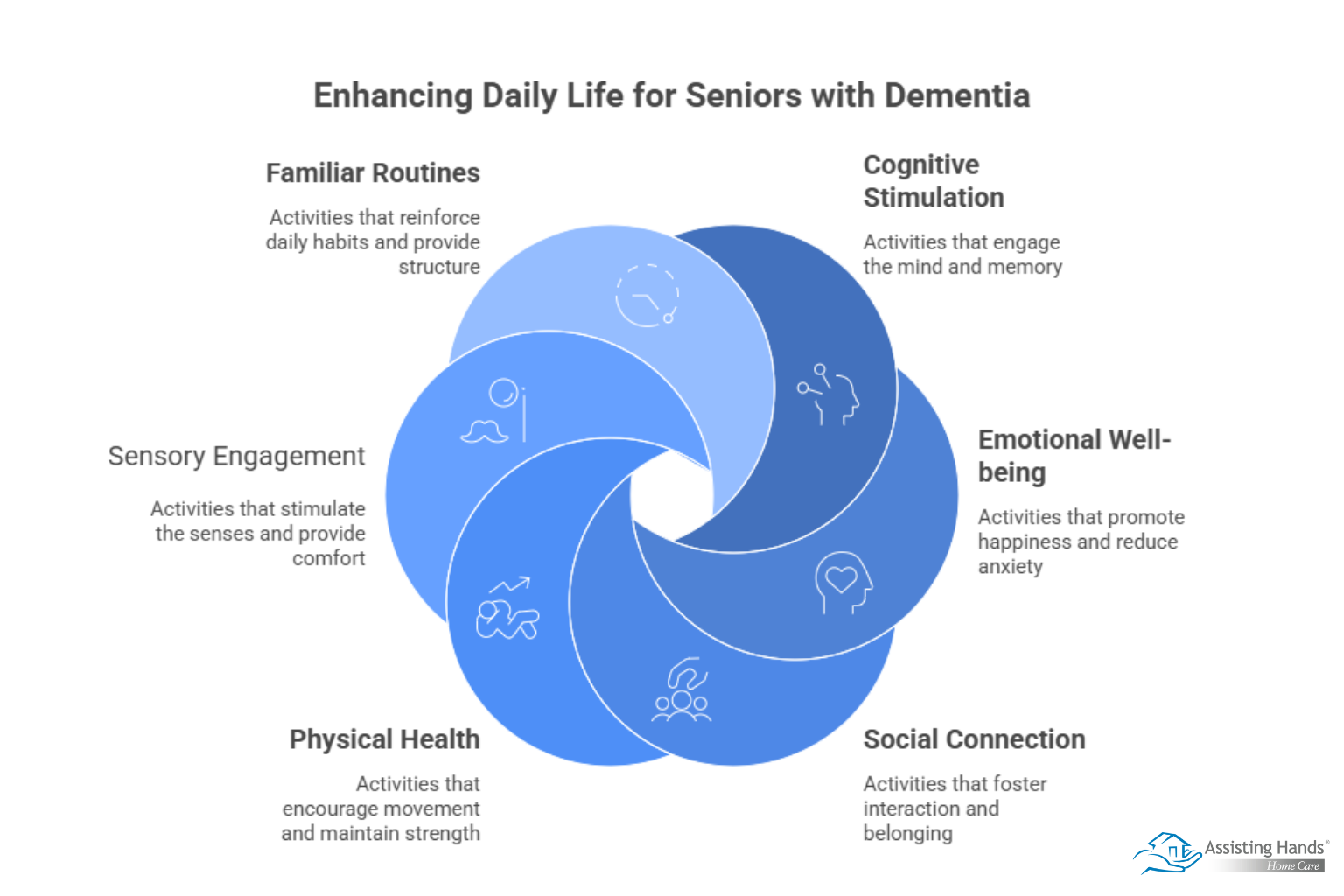
Daily engagement plays a powerful role in dementia care. Activities for seniors with dementia can reduce anxiety, boost mood, support cognitive function, and encourage social connection. Even simple tasks can provide structure and reassurance.
Memory care professionals often focus on dementia activities that match a person’s abilities rather than the diagnosis. The goal is to support dignity and enjoyment at every stage of dementia. Activities can also enhance communication, enhance sleep patterns, and reduce agitation in individuals living with memory loss.
How to Choose the Right Activities
Before starting any activity, consider your loved one’s:
- Stage of dementia
- Physical abilities
- Personal interests
- Energy levels
- Emotional state
For families using live-in care, caregivers often adapt activities for dementia patients at home throughout the day. Calm sensory tasks may work best in the evening, while more engaging and interactive games for dementia patients can be scheduled earlier. The key is to remain flexible, observant, and responsive to your loved one’s needs.
30 Fun Activities for Older Adults with Dementia
1. Simple Card Games
Card games are a great way to keep older adults mentally engaged without overwhelming them. These games stimulate attention, recognition, and basic decision-making while still feeling familiar and non-threatening. Many people with dementia may feel anxious when they believe they’re being tested, so games for dementia patients should be played casually, without focusing on winning or losing. The real value comes from sitting together, taking turns, and sharing light conversation. Over time, this kind of interaction can strengthen emotional connection and reduce feelings of isolation.
2. Large Piece Jigsaw Puzzles
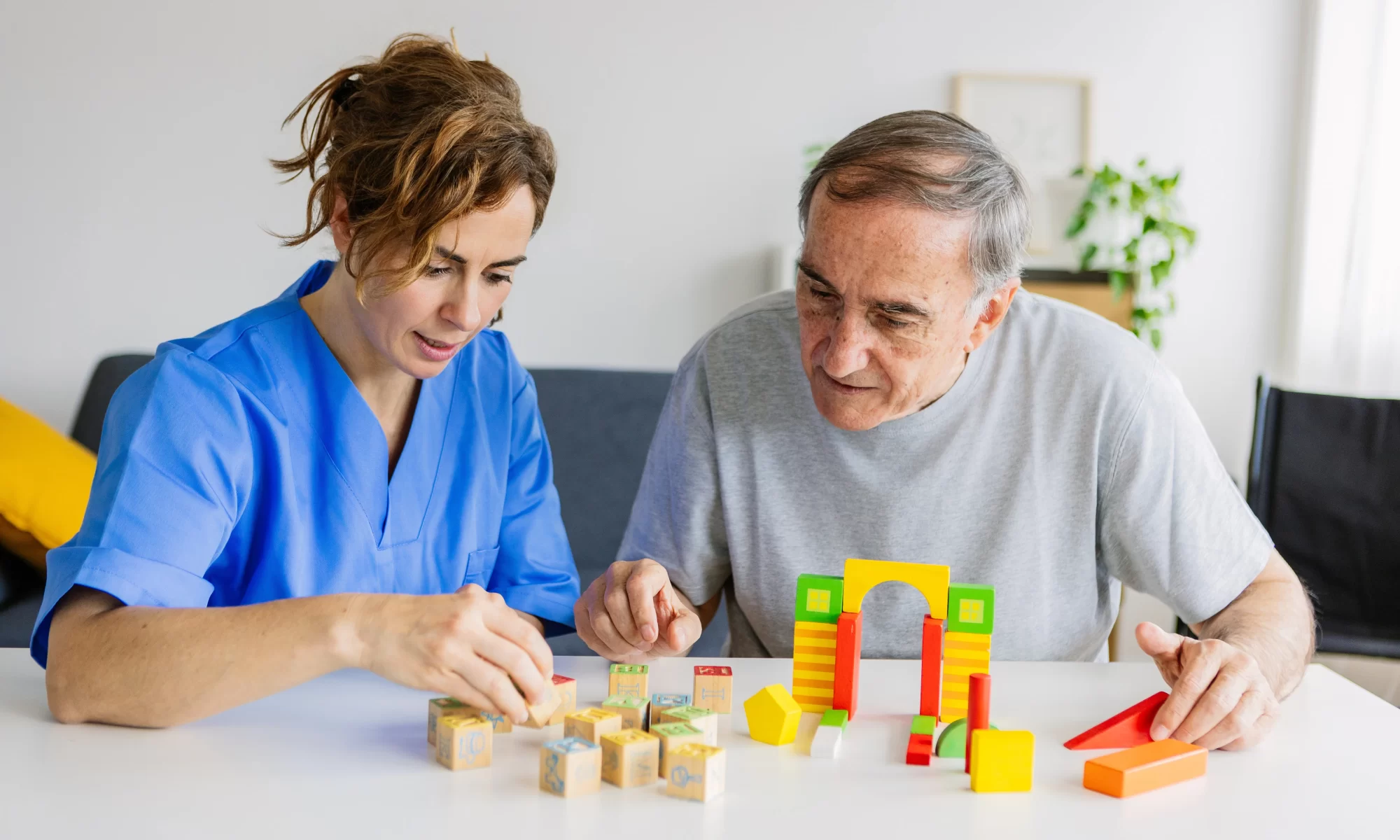
Jigsaw puzzles with large, clearly defined pieces offer cognitive stimulation in a calm and manageable way. Unlike complex puzzles, larger pieces reduce frustration and allow your loved one to experience success more easily. The act of searching for matching pieces, holding them, and fitting them together supports hand-eye coordination and problem-solving skills. Choosing puzzles with familiar scenes such as nature, animals, or old landmarks can also spark recognition and comfort. This is one of the best dementia activities for seniors to enjoy at home.
3. Sorting Household Items
Sorting activities involve simple, repetitive actions that feel natural and purposeful. Tasks like sorting buttons by color, organizing utensils, or grouping coins allow older adults to engage their hands and minds without needing memory recall. These activities are especially helpful for individuals who feel restless or anxious, as the repetition can be calming. Sorting also provides a sense of contribution, helping your loved one feel useful rather than passive. These are ideal activities for seniors with dementia.
4. Music Listening Sessions
Music often reaches parts of the brain that remain intact even as dementia progresses. Listening to familiar songs can bring comfort, lift mood, and sometimes even trigger memories or emotional responses. A quiet music session can reduce agitation and provide a sense of safety. Many caregivers notice that people who have difficulty communicating verbally will still hum, tap, or smile when hearing music they love. This is a relaxing way to enjoy activities for dementia patients at home.
5. Singing Along
Singing encourages emotional expression and social bonding. Even when words are forgotten, rhythm and melody often remain accessible. Singing together can reduce stress, boost mood, and create moments of shared joy. It’s not about singing correctly, but about participating and enjoying the moment. Singing can also be especially powerful during difficult times of the day, such as evenings when confusion increases. It’s a highly recommended activity for people with dementia.
6. Balloon Toss
Balloon toss is a gentle physical activity that encourages movement without risk of injury. The slow pace of a balloon makes it easy to follow and catch, even for those with limited coordination. This activity enhances motor skills, reaction time, and hand-eye coordination. More importantly, it introduces fun and laughter, which can significantly boost emotional wellbeing. Balloon toss is one of the most enjoyable activities for seniors with dementia.
7. Chair Exercises
Chair exercises allow older adults to stay physically active while remaining safe and supported. These exercises can include arm lifts, leg movements, or gentle stretches. Regular movement increases circulation, reduces stiffness, and supports overall physical health. Chair exercises also give structure to the day and help individuals feel more in control of their bodies. They’re essential physical games for dementia patients.
8. Nature Walks
Short walks outdoors provide valuable sensory input through fresh air, sunlight, and natural surroundings. Being outside can reduce anxiety and boost mood. Walks should be slow and supervised, allowing time to observe trees, flowers, or birds. These moments can encourage conversation and help your loved one feel grounded in his or her environment. Going outside to engage in activities for elderly with dementia can be refreshing and calming.
9. Gardening
Gardening offers a sense of purpose and connection to nature. Simple tasks like watering plants, touching soil, or planting seeds can be calming and satisfying. Gardening engages multiple senses and can bring back memories of past hobbies or routines. It also encourages responsibility and nurtures a feeling of care and growth. Many caregivers include gardening or other activities for adults with dementia in their daily routine.
10. Folding Laundry
Folding laundry is a familiar task many older adults recognize instantly. The repetitive motions are soothing and reinforce routine. This activity allows individuals to feel involved in household life and contributes to their sense of independence. Even if items aren’t folded perfectly, the focus should remain on participation rather than accuracy. Tasks like folding clothes are practical daily activities for dementia patients.
11. Photo Album Conversations
Looking through photo albums encourages storytelling and emotional connection. Photos often trigger long-term memories, even when short-term memory is impaired. Allow your loved one to describe what he or she sees without correcting him or her. These moments are excellent activities to do with dementia patients that promote sharing and bonding.
12. Coloring Activities
Coloring provides a creative outlet without rules or pressure. Large designs and simple patterns allow older adults to engage freely and relax. Coloring can reduce anxiety and restlessness while offering a sense of accomplishment. It also supports fine motor skills in a gentle way, making it one of the most effective dementia activities for seniors.
13. Painting with Water
Water painting is ideal for individuals who enjoy art but may feel anxious about mess or mistakes. The activity is simple, calming, and sensory-focused. Watching colors appear and disappear can be soothing and engaging. This creative outlet is one of the most recommended activities for seniors with dementia.
14. Reminiscence Questions
Reminiscence questions help dementia patients access emotional memories rather than factual recall. Questions should be open-ended and gentle, focusing on feelings rather than details. This activity supports communication and emotional bonding, allowing your loved one to share parts of his or her identity and life story. It’s an important tool for caregivers providing activities for people with dementia.
15. Baking Together
Baking engages the senses through smell, touch, and sight. Simple tasks such as stirring or pouring allow participation without complexity. The familiar routines and comforting aromas often bring feelings of warmth and safety. Baking together also encourages cooperation and shared enjoyment, making it a practical activity for dementia patients at home.
16. Scarf Dancing
Scarf dancing combines movement, color, and creativity. The flowing motion of scarves encourages gentle exercise and coordination. This can be adapted for sitting or standing and often brings smiles and laughter. It’s a fun and expressive activity for seniors with dementia.
17. Sensory Boxes
Sensory boxes provide stimulation through touch and exploration. Items with different textures, shapes, and materials invite curiosity and calm engagement. Sensory activities are especially helpful in later stages of dementia, when verbal communication becomes more difficult. This is one of the best games for dementia patients.
18. Listening to Stories
Listening to stories or poetry allows individuals to enjoy language without needing to read or respond. A calm voice and familiar tone can be deeply comforting. Story listening also creates a peaceful environment and reduces agitation, making it a valuable activity for seniors with dementia.
19. Animal Visits
Animals often provide comfort without requiring complex interaction. Gentle pets can reduce stress and promote positive emotions. Many people with dementia respond warmly to animals, finding joy in their presence and companionship. Visits with animals are a perfect example of meaningful activities for adults with dementia.
20. Simple Word Games
Word games help seniors maintain language skills and cognitive engagement. These games should remain light and supportive, avoiding any sense of testing. Encouragement and patience are key to keeping the experience positive. This is a highly recommended game for dementia.
21. Watching Old Movies
Old movies offer familiarity and comfort. Recognizing scenes, music, or characters can trigger emotional responses and memories. Watching together also provides an opportunity for quiet companionship, making it one of the best activities for dementia patients.
22. Organizing Books by Color
This activity focuses on visual sorting rather than memory. Organizing books by color or size is soothing and easy to follow. It provides structure and a clear sense of completion and is an ideal activity for elderly people with dementia.
23. Hand Massage
A gentle hand massage can be deeply calming and reassuring. Physical touch, when welcomed, can reduce anxiety and build trust. This sensory activity is one of the most effective dementia activities for emotional comfort.
24. Aromatherapy
Pleasant scents can influence mood and emotional wellbeing. Aromatherapy may reduce agitation and create a calming atmosphere. It’s especially helpful during rest periods or transitions, making it an excellent activity for seniors with dementia.
25. Picture Matching Games
Matching pictures encourages recognition and focus. Using familiar images increases comfort and engagement. The activity should move slowly and remain pressure-free, making it one of the most suitable games for dementia patients.
26. Seasonal Crafts
Seasonal crafts help seniors maintain a sense of time and tradition. Creating decorations or themed items can bring excitement and connection to the present. These crafts are a fun way to engage in activities for seniors with dementia.
27. Reading Aloud
Reading aloud provides comfort through rhythm and voice. Even when comprehension is limited, listening can be soothing. This activity strengthens emotional bonds and is a practical activity for people with dementia.
28. Tabletop Games
Simple tabletop games promote social interaction and cooperation. Games should be chosen carefully to avoid confusion and frustration. The goal is enjoyment, not competition, making these ideal games for seniors with dementia.
29. Breathing Exercises
Breathing exercises calm the nervous system and reduce anxiety. Guided breathing can be especially helpful during moments of restlessness or distress. This is a gentle activity for dementia patients at home, providing a simple method for relaxation.
30. Daily Routine Tasks
Participating in daily routine tasks helps older adults feel useful and included. Simple responsibilities build confidence and reinforce identity. These small moments of involvement are excellent activities for adults with dementia.
Adapting Activities at Different Stages
Early-stage dementia may allow for more structured games, while later stages benefit from sensory-based or one-step activities. Many activities for dementia patients at home can be adjusted by simplifying instructions and focusing on enjoyment rather than outcomes.
What to Do When an Activity Isn’t Working
If frustration appears:
- Break tasks into smaller steps
- Offer gentle assistance
- Shift to a calmer activity
- Never correct or criticize
- Pause when needed
Engagement should always feel safe and supportive.
Supporting Meaningful Daily Engagement
Families often ask about meaningful activities for dementia patients that feel purposeful rather than childish. The key is honoring your loved one’s personal history, preferences, and dignity. Even small moments of engagement can boost emotional wellbeing.
When Extra Support Makes a Difference
As dementia progresses, professional support can help families manage daily care and engagement more effectively. Structured routines, personalized activities, and consistent companionship often enhance quality of life for both seniors and caregivers.
Fun, simple, and familiar activities can transform daily life for older adults with dementia. With patience, creativity, and understanding, families can create moments of joy and connection every day. The most important part isn’t the activity itself, but the shared experience it creates.