
Caring for a senior loved one at home can be both rewarding and challenging. Whether you’re helping an elderly family member, supporting someone recovering from surgery, or assisting an individual with a chronic condition, professional home care services can make a significant difference. These services bring either medical or nonmedical support directly into the comfort of your loved one’s home, ensuring safety, independence, and emotional wellbeing while reducing the burden on your family.
In this blog, we’ll explore what home care services are, the types of care available, their importance, and how they can enhance quality of life for seniors and other individuals in need of assistance.
Understanding Home Care Services
Home Care Savannah refers to a wide range of services provided in the home to help seniors live independently, maintain their health, and manage daily tasks. Unlike nursing homes or assisted living facilities, home care allows individuals to stay in a familiar environment while receiving professional assistance tailored to their needs.
Home care services are broadly divided into two categories:
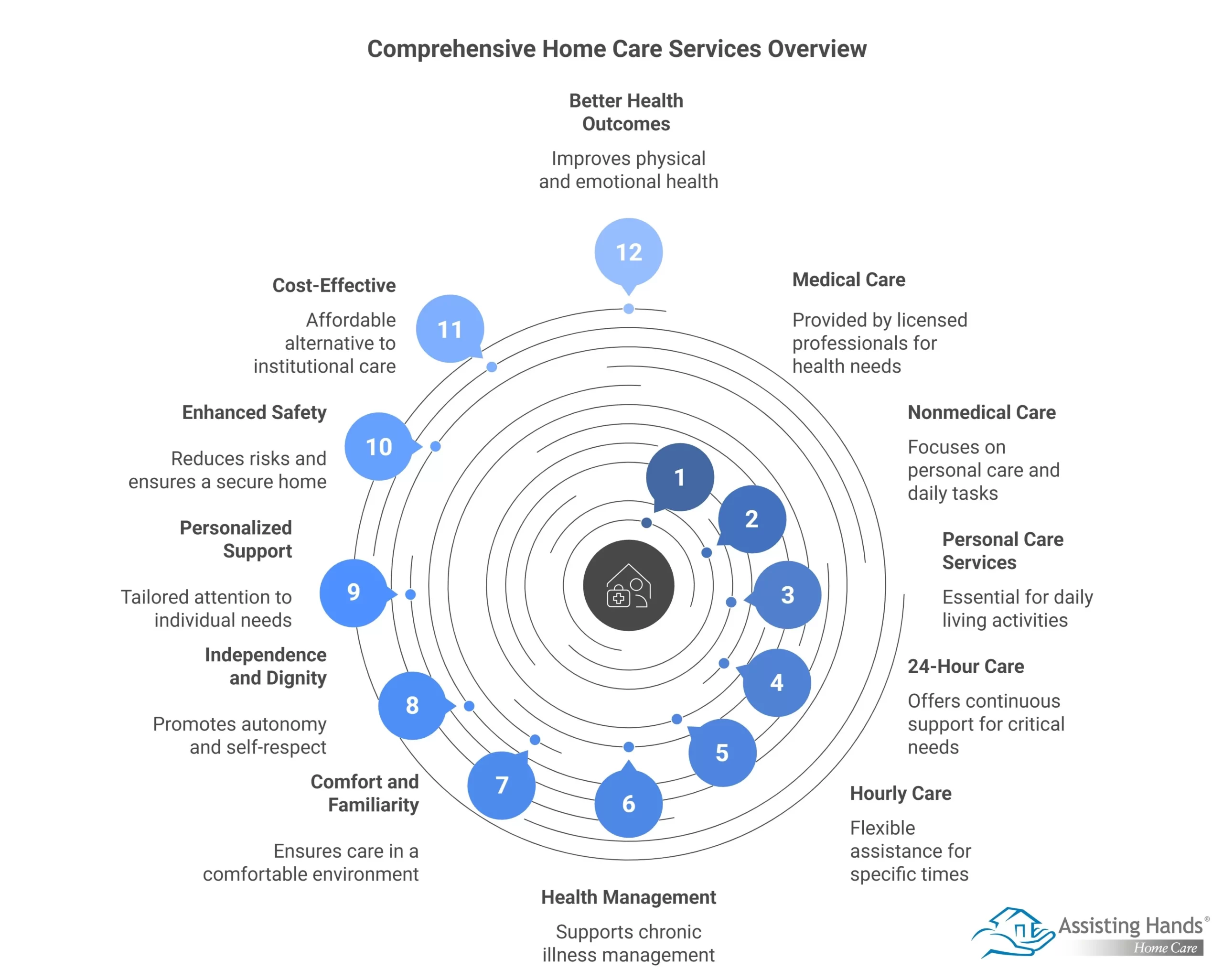
Medical (Skilled) Care
- Provided by licensed medical professionals such as nurses, physical therapists, or occupational therapists
- Includes wound care, medication management, post-surgery support, and monitoring chronic illnesses like diabetes, heart disease, or respiratory conditions
- Ensures the senior receives proper medical attention without frequent hospital visits
Nonmedical Care
- Focuses on personal care and supportive daily tasks rather than medical treatment
- Includes assistance with bathing, dressing, grooming, toileting, mobility, and eating
- Can also involve meal preparation, light housekeeping, laundry, grocery shopping, transportation, and companionship
This combination of medical and nonmedical support can be arranged based on your loved one’s specific needs. For instance, some families may require 24-hour care, while others may opt for hourly care to provide support only at certain times of the day.
Types of Home Care Services
Personal Care Services
Personal care is an essential component of home care. It focuses on the activities of daily living (ADLs) that many individuals find difficult to manage on their own. This includes bathing, dressing, grooming, toileting, and mobility assistance. For older adults or people with disabilities, personal care ensures they can maintain dignity and independence while receiving the help they need.
A caregiver providing personal care can also monitor physical and mental health changes, ensuring small problems don’t escalate into serious medical issues.
24-Hour Care
For individuals who require around-the-clock support, 24-hour care is an ideal solution. This level of care is often needed for seniors with advanced illnesses, individuals recovering from major surgery, or those with cognitive impairments such as dementia.
Benefits of 24-hour care include:
- Continuous monitoring for safety and health emergencies
- Assistance with daily activities at any time of the day or night
Emotional support and companionship to reduce loneliness and anxiety - Ensuring medications are taken on time
With 24-hour care, families can have peace of mind knowing their loved one is never alone and is receiving consistent, professional support.
Hourly Care
Not everyone requires constant supervision. Hourly care allows families to receive assistance for specific periods during the day. This type of care is ideal for:
- Helping seniors with morning or evening routines
- Providing respite for family caregivers
- Assisting with household chores, meal preparation, or errands
- Offering companionship during specific hours
Hourly care is flexible and can be customized based on individual needs, making it a cost-effective alternative to full-time care.
Health Management and Chronic Care Support
Many home care services also include health management, especially for individuals with chronic illnesses. Caregivers can help with:
- Monitoring vital signs and symptoms
- Managing medications and appointments
- Supporting rehabilitation exercises after surgery
- Teaching individuals and families how to live safely with a medical condition
By providing consistent support, home care can reduce hospital readmissions, enhance overall health outcomes, and boost quality of life.
Why Home Care Services Are Important
Home care services play a critical role in maintaining health, independence, and overall wellbeing. Here’s why they’re increasingly becoming the preferred option for families:
Comfort and Familiarity
Being cared for at home allows individuals to remain in a familiar environment surrounded by loved ones, personal belongings, and routines they cherish. This comfort can reduce stress, anxiety, and confusion, especially for seniors with cognitive challenges.
Independence and Dignity
Unlike institutional settings, home care promotes autonomy. Individuals can make choices about their daily routines, meals, and activities, preserving a sense of control and dignity.
Personalized, One-on-One Support
Professional caregivers provide individualized attention tailored to each person’s specific needs. This one-on-one support is often impossible in larger facilities where staff have to care for multiple residents simultaneously.
Enhanced Safety
Home care professionals can reduce the risk of falls, medication errors, and other accidents. They also identify potential hazards in the home and take preventive measures to ensure safety.
Cost-Effective Alternative
Home care can be more affordable than nursing homes or assisted living facilities, especially when hourly care is sufficient. Families can choose the level of care that fits their budget while still ensuring their loved ones are well looked after.
Better Health Outcomes
Studies show that home care can help seniors manage chronic illnesses, support faster recovery after surgery, and decrease hospital readmissions. Continuous monitoring and personalized care often lead to better physical and emotional health outcomes.
Choosing the Right Home Care Service
When considering home care for a loved one, families should evaluate:
- Level of care required – Personal care, 24-hour care, or hourly care
- Qualifications and experience of caregivers
- Flexibility of care plans
- Cost and insurance coverage
- Reputation and reviews of the home care provider
A well-chosen home care service ensures individuals receive the support they need while preserving independence, comfort, and quality of life.
Home care services aren’t just about meeting daily needs—they’re about enhancing life. From personal care to 24-hour care and flexible hourly care, these services allow individuals to maintain independence, safety, and emotional wellbeing in the comfort of their own homes. By providing personalized attention, managing health effectively, and offering companionship, home care can reduce stress, enhance outcomes, and create peace of mind for both seniors and their families.
Investing in professional home care is more than a practical solution—it’s a commitment to dignity, quality of life, and compassionate support for those who need it most.