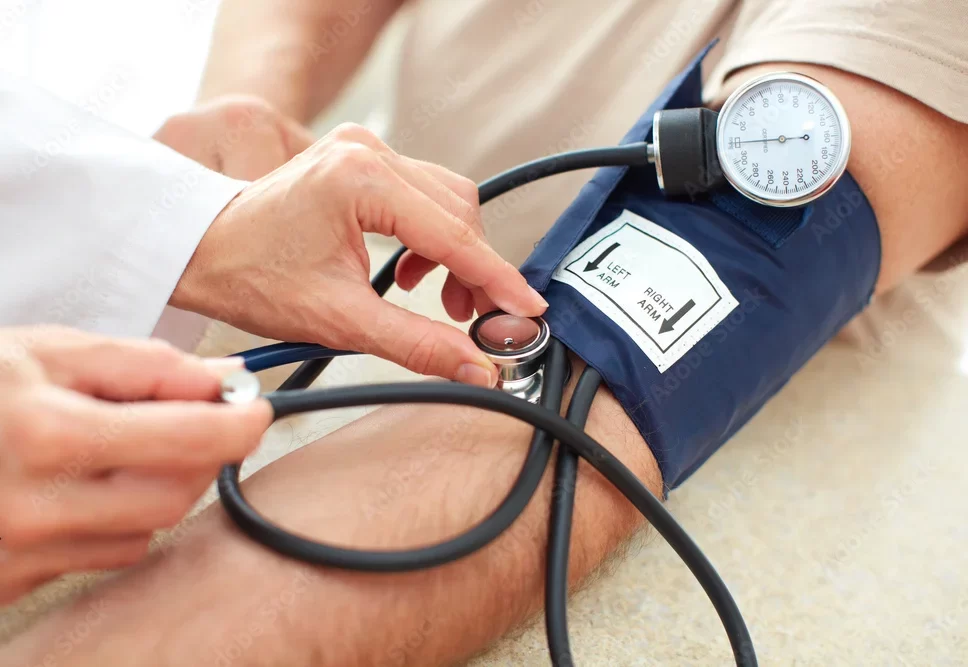
As we age, monitoring blood pressure becomes increasingly important. Maintaining healthy blood pressure levels can reduce the risk of heart disease, stroke, and other complications common in older adults. Understanding the normal and high blood pressure ranges for seniors can guide families and caregivers in supporting the health and wellbeing of their loved ones.
Understanding Blood Pressure
Blood pressure measures the force of blood against the walls of the arteries. It’s expressed as two numbers: systolic (the top number) and diastolic (the bottom number). Systolic pressure indicates how hard the heart is pumping, while diastolic pressure reflects the resistance in the arteries when the heart is at rest.
For adults of all ages, blood pressure is categorized as follows:
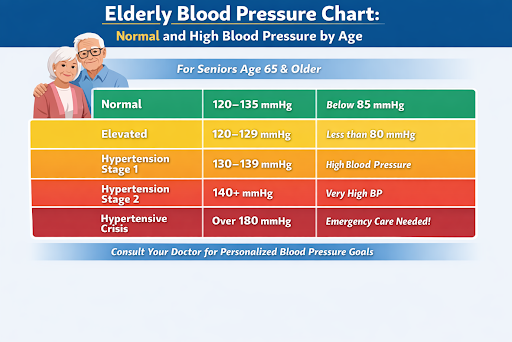
- Normal – Below 120/80 mmHg
- Elevated – Systolic 120–129 mmHg and diastolic less than 80 mmHg
- Hypertension Stage 1 – Systolic 130–139 mmHg or diastolic 80–89 mmHg
- Hypertension Stage 2 – Systolic 140 mmHg or higher or diastolic 90 mmHg or higher
- Hypertensive Crisis – Systolic over 180 mmHg and/or diastolic over 120 mmHg (requires urgent medical attention)
These guidelines serve as a baseline, but blood pressure naturally changes with age.
Blood Pressure in Seniors
For adults aged 65 and older, typical blood pressure ranges can be slightly higher due to natural artery stiffening that occurs with aging. Many seniors maintain a healthy range between 120/80 mmHg and 135/85 mmHg. Elevated systolic pressure, the top number, becomes a significant concern after age 50 because it increases the risk of heart disease, stroke, and other cardiovascular issues.
Healthcare providers often recommend personalized goals for older adults, taking into account other health conditions, medications, and overall wellbeing. For many seniors, keeping systolic pressure below 130 mmHg is considered optimal, but individual targets may vary.
Why Monitoring Matters
Regular blood pressure monitoring is crucial for seniors. Sudden increases can indicate stress, medication changes, or underlying health problems. Accurate readings help families, caregivers, and healthcare professionals adjust care plans effectively.
For seniors receiving home care, caregivers can assist with monitoring blood pressure daily, tracking trends, and notifying doctors of significant changes. This proactive approach ensures timely intervention and can prevent complications.
Hypertension and Its Risks
High blood pressure, or hypertension, often develops gradually and may not show obvious symptoms. Over time, it can damage arteries, the heart, kidneys, and other organs. Hypertension Stage 1 is the early stage, while Stage 2 and hypertensive crises require more immediate attention. Understanding these stages allows families and healthcare providers to implement lifestyle adjustments, dietary changes, or medication management when necessary.
Providing respite care can be particularly helpful for family members managing elderly hypertension. Temporary professional care ensures seniors continue receiving proper monitoring while giving caregivers time to rest and recharge.
Maintaining Healthy Blood Pressure
Seniors can take several steps to maintain or improve blood pressure levels:
- Balanced diet – Low in sodium, rich in fruits, vegetables, and whole grains
- Regular physical activity – Walking, stretching, or light exercise appropriate for their health status
- Stress management – Relaxation techniques and social engagement
- Medication adherence – Taking prescriptions exactly as advised by a healthcare provider
- Routine checkups – Scheduling regular visits to track blood pressure and overall health
In addition, daily personal care routines, such as helping with bathing, hygiene, and mobility, can support overall cardiovascular health by promoting activity and reducing stress.
Key Takeaways
While general blood pressure guidelines exist, older adults benefit from individualized targets. Regular monitoring, lifestyle adjustments, and professional support—whether through home care, respite care, or personal care—help seniors maintain healthy blood pressure levels. Working closely with healthcare providers ensures each senior’s unique health needs are addressed, enhancing their quality of life and reducing the risk of serious complications.
By understanding the normal and high blood pressure ranges for seniors, families and caregivers can make informed decisions and provide the support needed to keep older adults healthy and independent.