Most seniors with Parkinson’s disease can live nearly as long as their peers without the condition, especially with proper management and support. Receiving a Parkinson’s disease (PD) diagnosis in the senior years can feel like an overwhelming transition. However, as we look at the landscape of neurological health in 2026, the narrative surrounding this condition has shifted. Today, Parkinson’s is viewed as a manageable chronic condition rather than a life-ending one. While it’s a progressive disease, most seniors can expect a lifespan that’s nearly identical to their peers without the condition.
The key to longevity with Parkinson’s lies in understanding the progression, managing complications, and ensuring the right support systems—ranging from medical interventions to specialized home care—are in place.
The Reality of Life Expectancy
One of the most frequent questions asked following a Parkinson’s diagnosis is: “How long can I live with this?” Current research indicates that Parkinson’s itself is rarely a direct cause of death. Instead, it’s a condition that requires careful management to prevent secondary complications.
Statistically, the impact of Parkinson’s on life expectancy depends heavily on the age at which symptoms first appear. For those diagnosed at age 65, life expectancy may be reduced by approximately 6.7 years. However, for those diagnosed later in life, such as at age 85, the difference in life expectancy is negligible—often only about 1.2 years. On average, many individuals live between 10 and 30 years following their diagnosis, thanks to a combination of early intervention and modern therapeutic advances.

Factors that Influence the Journey
No two journeys with Parkinson’s are the same. Several variables determine how the disease progresses and how it affects a senior’s total lifespan:
Cognitive Health
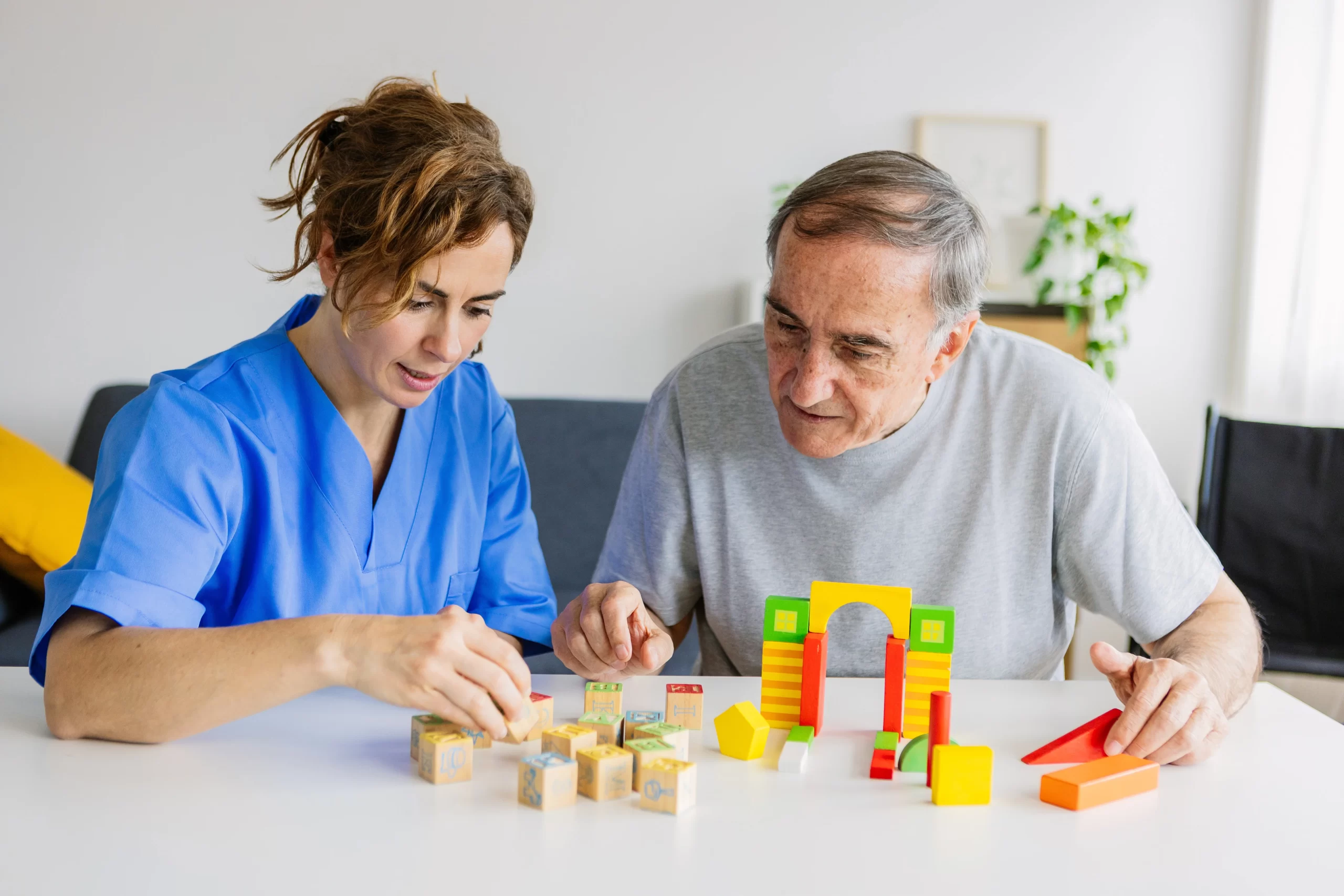
Cognitive health is perhaps the most significant predictor of long-term outcomes. Research shows the development of dementia or significant cognitive impairment can nearly double the risk of mortality. Monitoring mental clarity and engaging in cognitive exercises are vital components of a long-term care plan.
Disease Subtypes
Medical professionals now categorize Parkinson’s into different subtypes. Those with “mild-motor predominant” PD often enjoy a very slow progression, with survival rates frequently exceeding 20 years. Conversely, “diffuse-malignant” types may progress more rapidly, requiring more intensive support sooner.
Gender Differences
Biological sex plays a role in the statistical data of PD. Research has consistently shown that men with Parkinson’s tend to have slightly higher mortality rates and shorter survival times compared to women. While the reasons for this are still being studied, it highlights the importance of personalized care strategies for male patients.
Managing the Risks: Common Complications
To maximize lifespan, the focus of care must be on preventing the primary complications associated with the later stages of the disease.
- Aspiration pneumonia – As the disease progresses, the muscles used for swallowing can weaken (dysphagia). This can lead to food or liquid entering the lungs, causing pneumonia. This remains the leading cause of death for those with PD, making speech and swallow therapy essential.
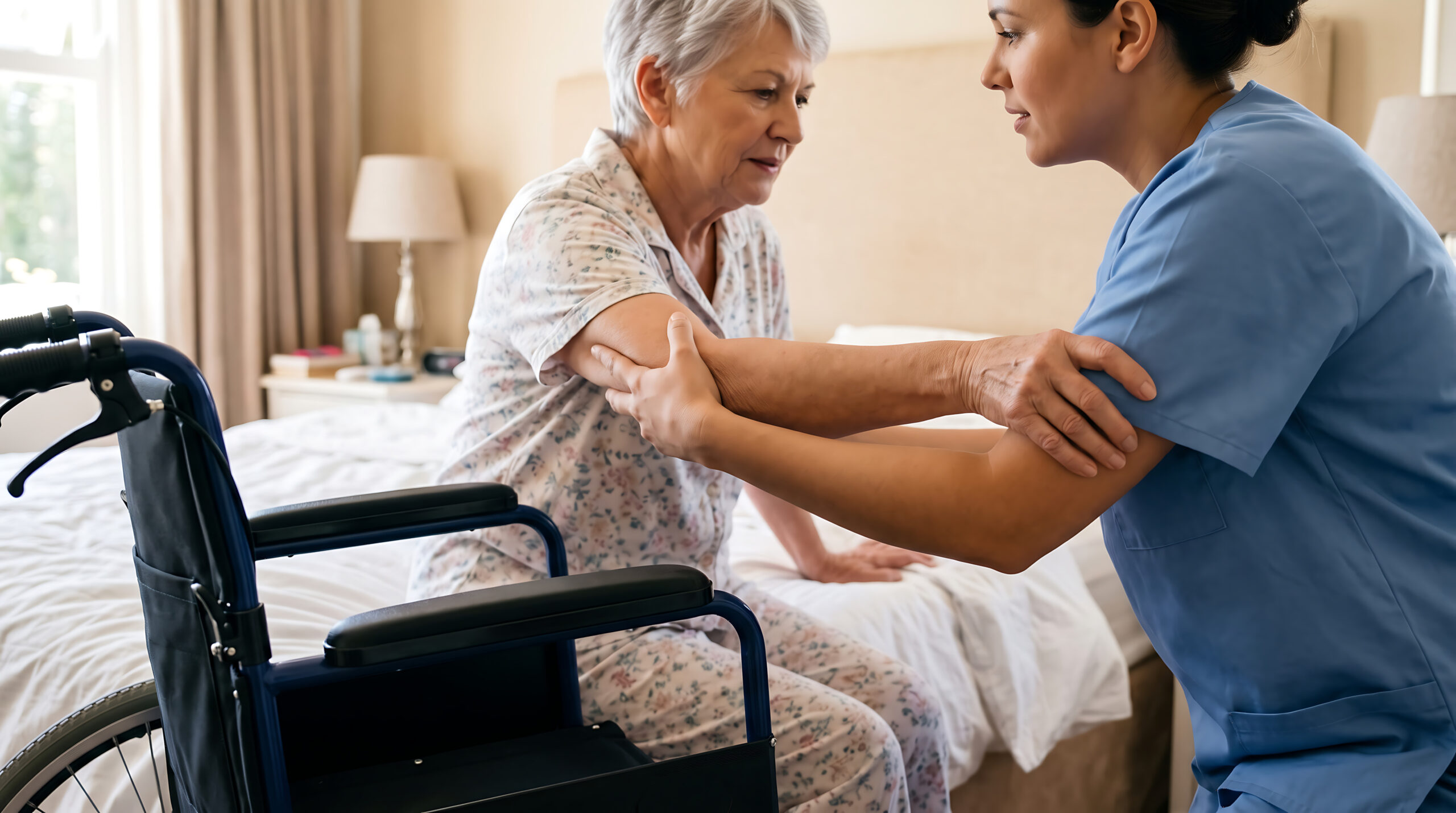
- Falls and mobility – Parkinson’s affects balance and can cause “freezing of gait.” A serious fall can lead to hip fractures or head trauma, which are difficult for seniors to recover from.
- Infections – Reduced mobility can lead to a higher risk of urinary tract infections or skin breakdowns, which can become systemic if not caught early.
The Role of Support and Environment
As the disease moves through its various stages, the environment in which a senior lives becomes a critical factor in his or her health and safety. This is where professional support services become invaluable.
The Importance of Specialized Home Care
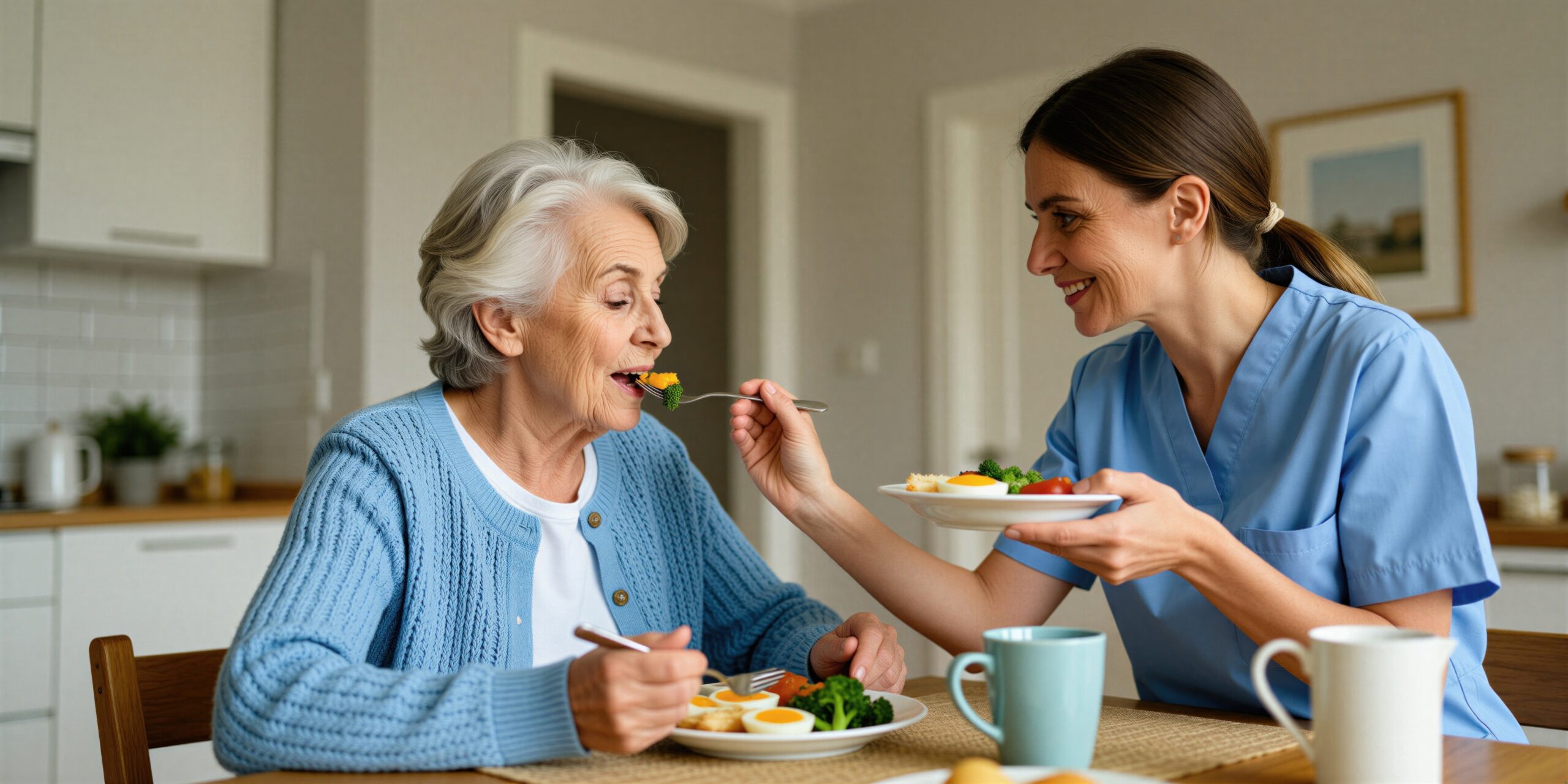
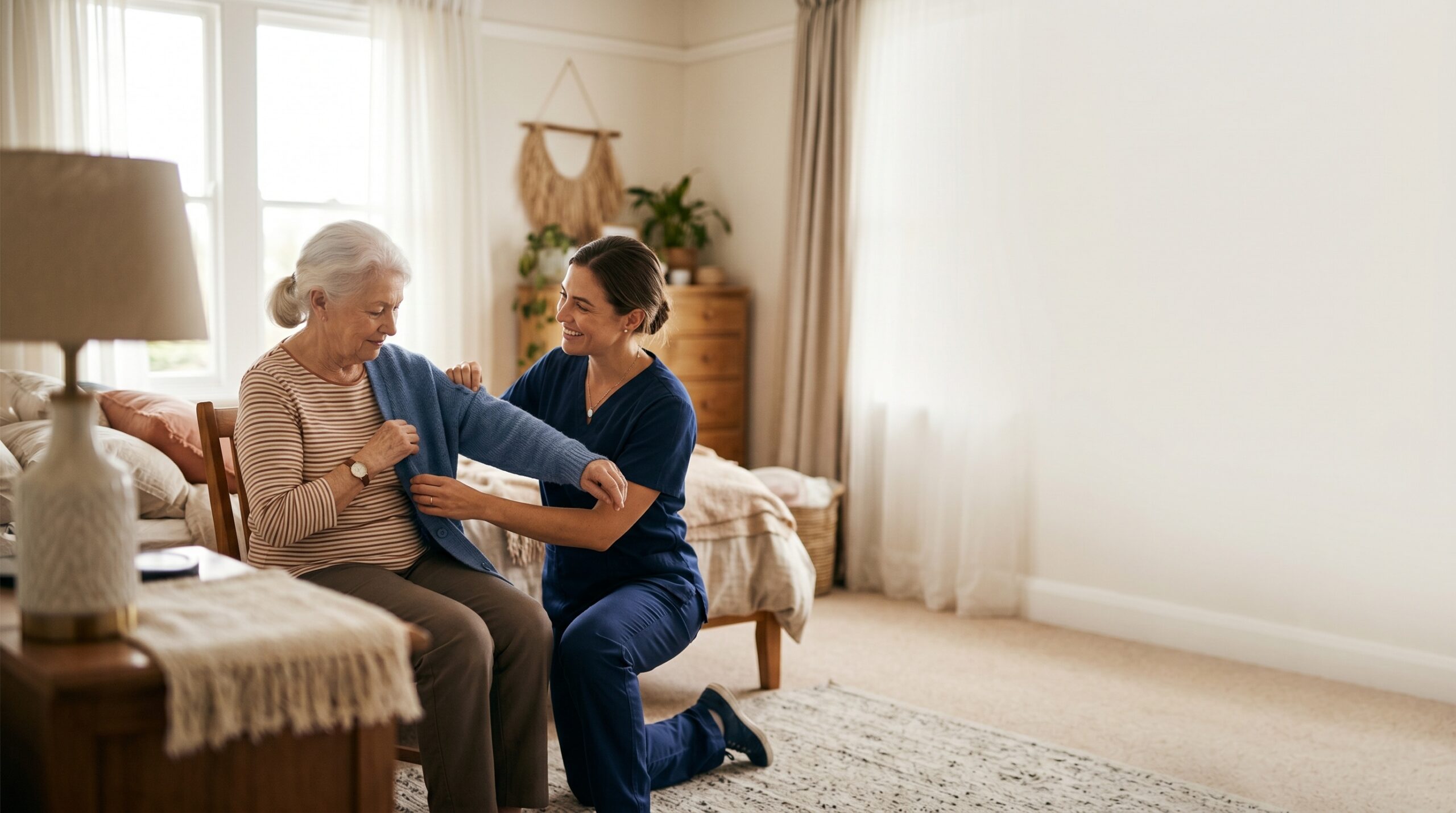
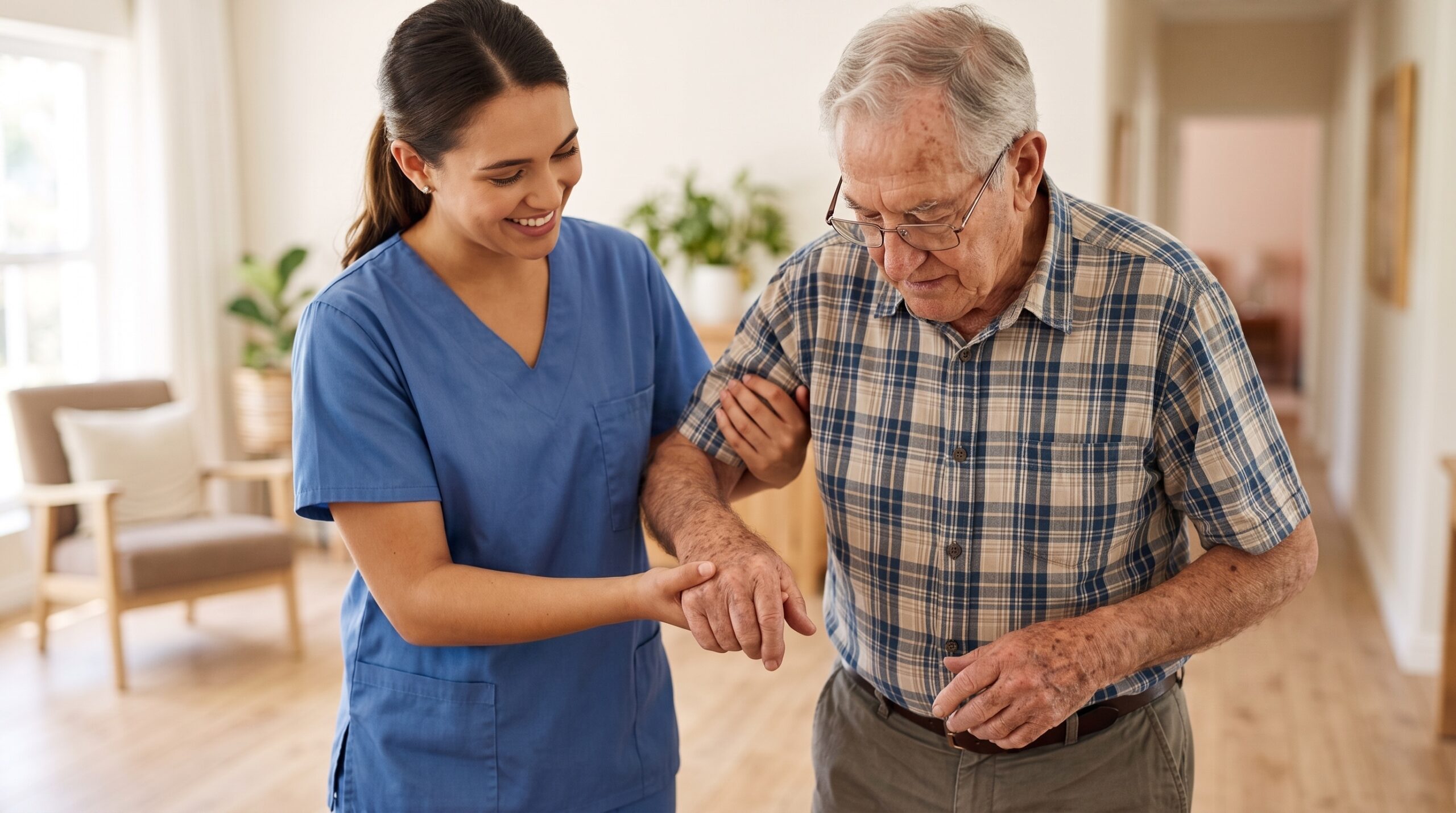
In the early and middle stages of Parkinson’s, many seniors prefer to remain in the comfort of their own residences. Home care services can be tailored to the specific needs of a PD patient, focusing on exercise routines that maintain motor function, assistance with activities of daily living, and medication management to ensure dosing on time, which is crucial for symptom control.
Transitioning to 24-Hour Care
As symptoms like tremors, bradykinesia (slowed movement), and cognitive changes become more pronounced, the risk of falls during the night increases. For families who cannot be present at all hours, 24-hour care provides a solution that ensures a professional is always awake and available. This level of supervision is often what prevents the hip fractures and head injuries that so significantly impact life expectancy.
Live-In Care for Continuity
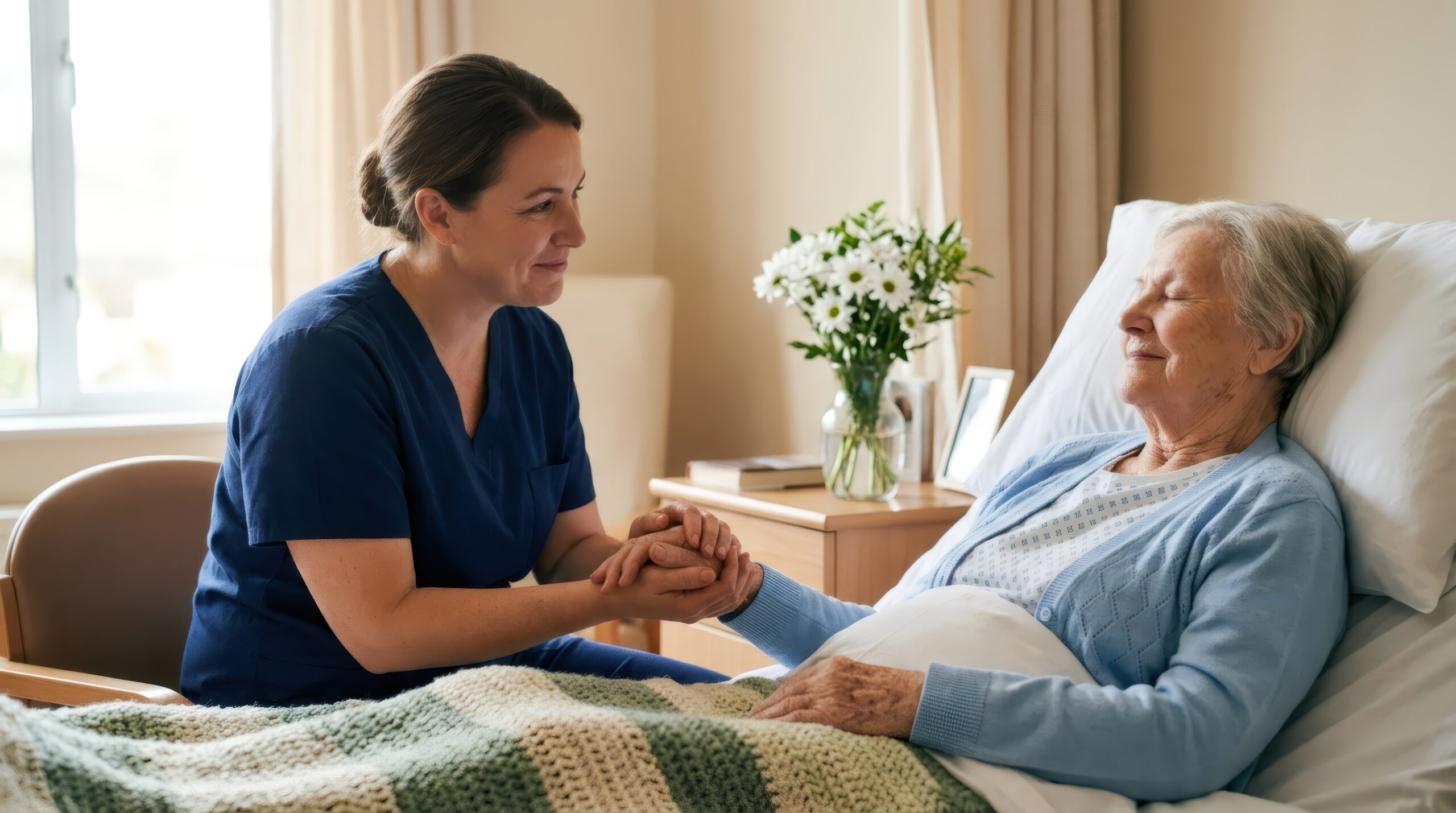
For those who require constant support but wish to maintain a sense of routine and relationship-based care, live-in care is an excellent option. Having a consistent caregiver who understands the nuances of a client’s specific tremors or communication style can reduce the anxiety and stress that often exacerbate Parkinson’s symptoms. This continuity of care is vital for monitoring subtle changes in swallowing or mental state that might otherwise go unnoticed.
Advances in Treatment and Longevity
The outlook for Parkinson’s patients in 2026 is brighter than ever due to a multi-disciplinary approach to treatment.
- Pharmacological management – Medications like levodopa remain the gold standard, managing motor symptoms for decades.
- Surgical interventions – Deep brain stimulation (DBS) has become a common and effective way to “reset” the electrical signals in the brain, significantly enhancing quality of life and mobility for eligible candidates.
- Physical and occupational therapy – Specialized programs (such as BIG and LOUD therapies) help Parkinson’s patients retrain their brains to use larger movements and louder voices, directly countering the restrictive nature of the disease.
Enhancing Quality of Life
Living a long life with Parkinson’s isn’t just about survival—it’s about quality. Maintaining social connections, staying physically active through walking or swimming, and ensuring a diet that supports brain health are all factors within an individual’s control.
When the burden of daily chores and the fear of falling are managed through professional home care, the individual with Parkinson’s is free to focus on these life-enhancing activities. Whether it’s through the occasional help of a visiting caregiver or the comprehensive support of 24-hour care, the goal is always to keep the individual safe, independent, and engaged with the world for as long as possible.
A diagnosis of Parkinson’s disease is a life-changing event, but it’s not a sentence of a short life. For the modern senior, the combination of advanced medical treatments and specialized support like live-in care means a full, vibrant life is still very much within reach. By focusing on fall prevention, cognitive health, and respiratory safety, seniors can navigate the challenges of Parkinson’s and continue to find joy and purpose in their later years.