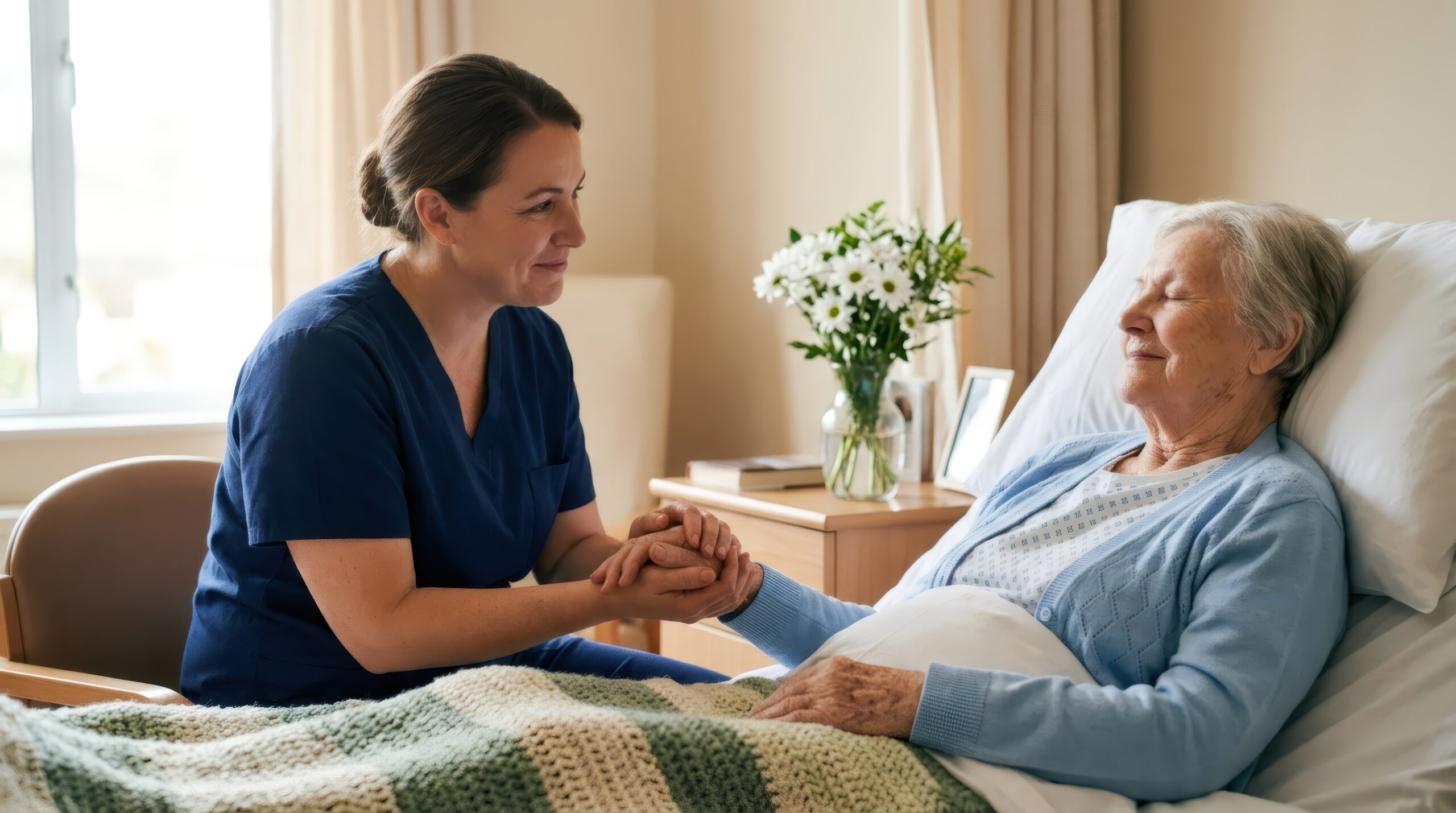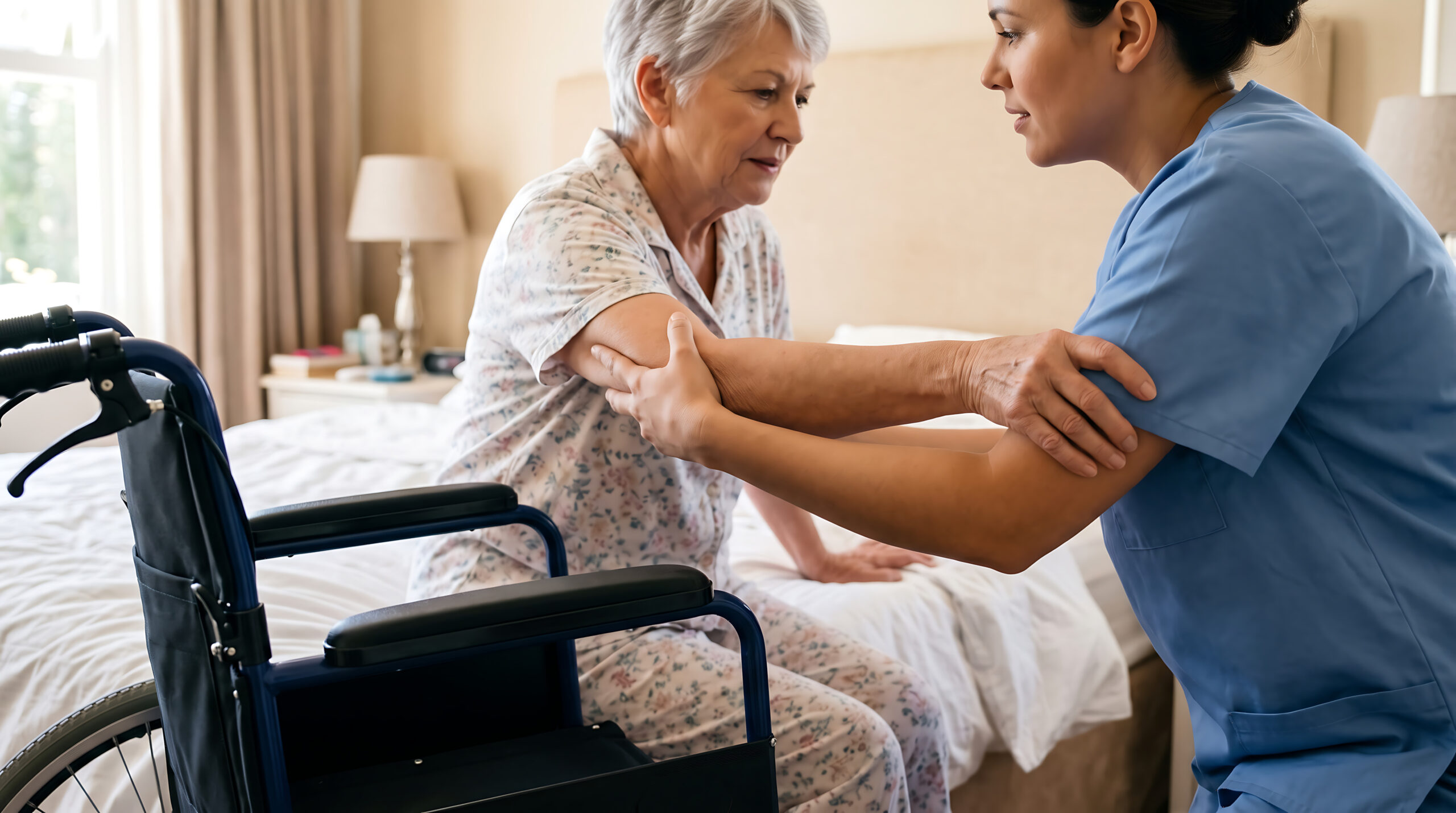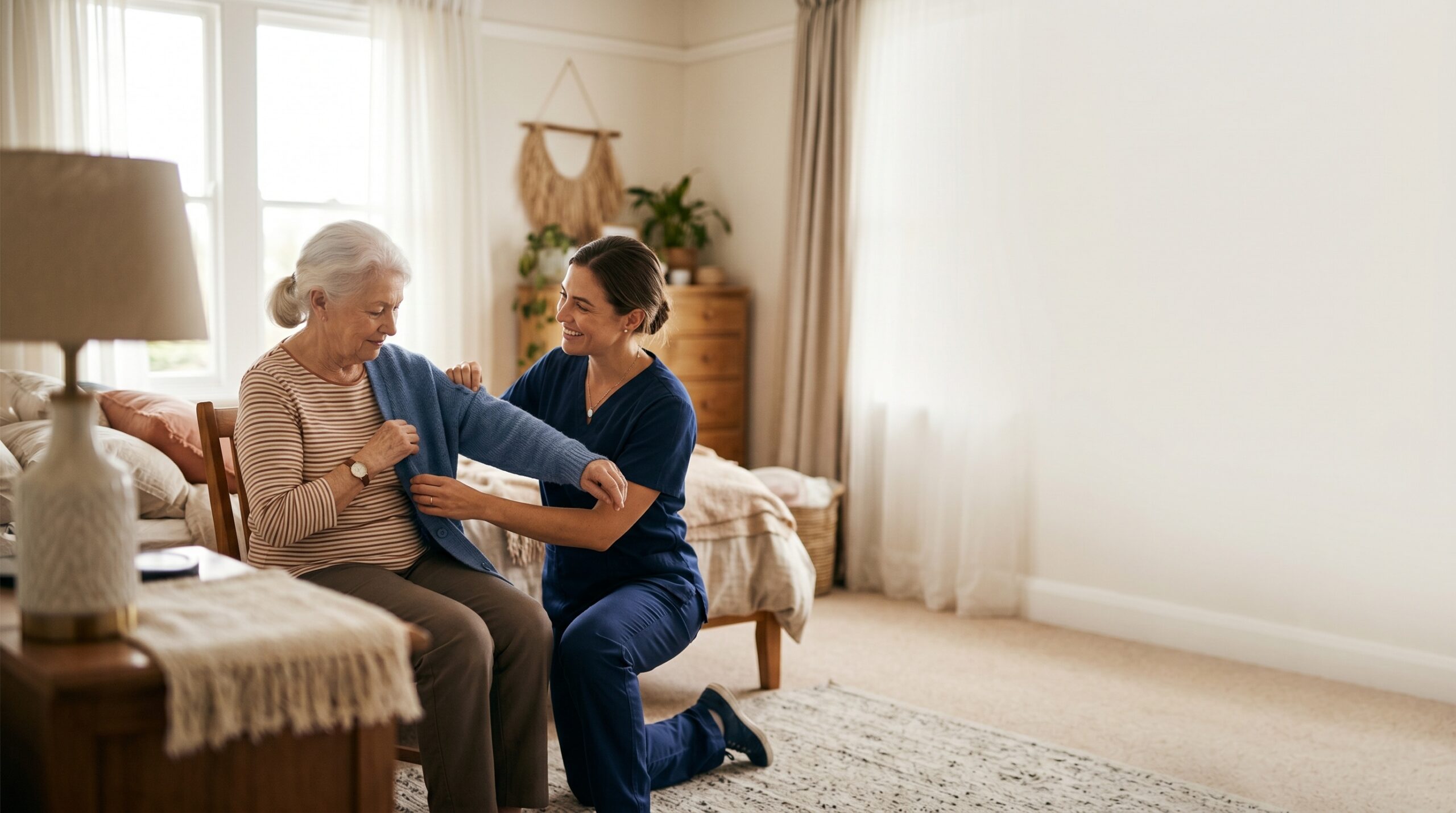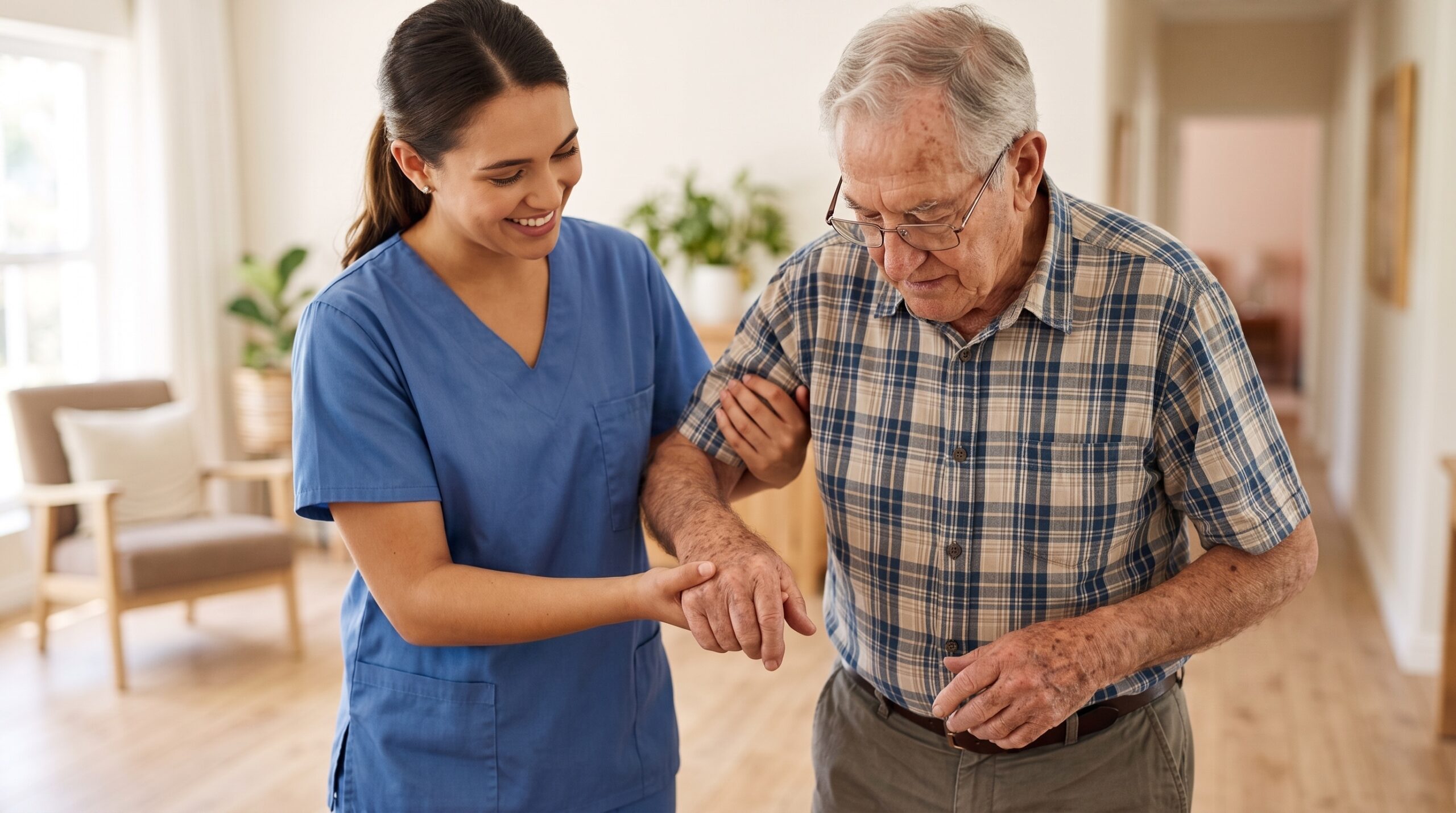
Across the country and especially in places like Savannah, families are asking a new and important question: could nursing homes eventually become obsolete as in-home support becomes stronger, more advanced, and more personalized? It’s a bold idea, one that wasn’t possible decades ago. But the world of senior care is changing fast, shaped by modern expectations, new technologies, and families who want their loved ones to age in familiar surroundings rather than in institutions. This is where modern Home Care Savannah has completely transformed expectations for aging in place.
Yet to understand whether this shift is truly possible, we have to look at why nursing homes became necessary in the first place and what would need to change for in-home care to become the leading option.
The Reason Nursing Homes Became the Default
For most of the 20th century, extended families were large, and several generations lived close to one another. When elders needed help, someone in the household, usually a woman, took on the responsibility. But today’s families look very different:
- Smaller households
- Adult children living in different states
- Full-time working parents
- Seniors living longer with complex medical conditions
These changes made one thing clear: long-term hands-on caregiving is too overwhelming for families to manage alone. This is a major reason nursing homes grew into the system we know today.
But now the question is shifting. Families still face challenges but professional in-home support has advanced in ways that didn’t exist before.

What Makes In-Home Care a Stronger Competitor Today?
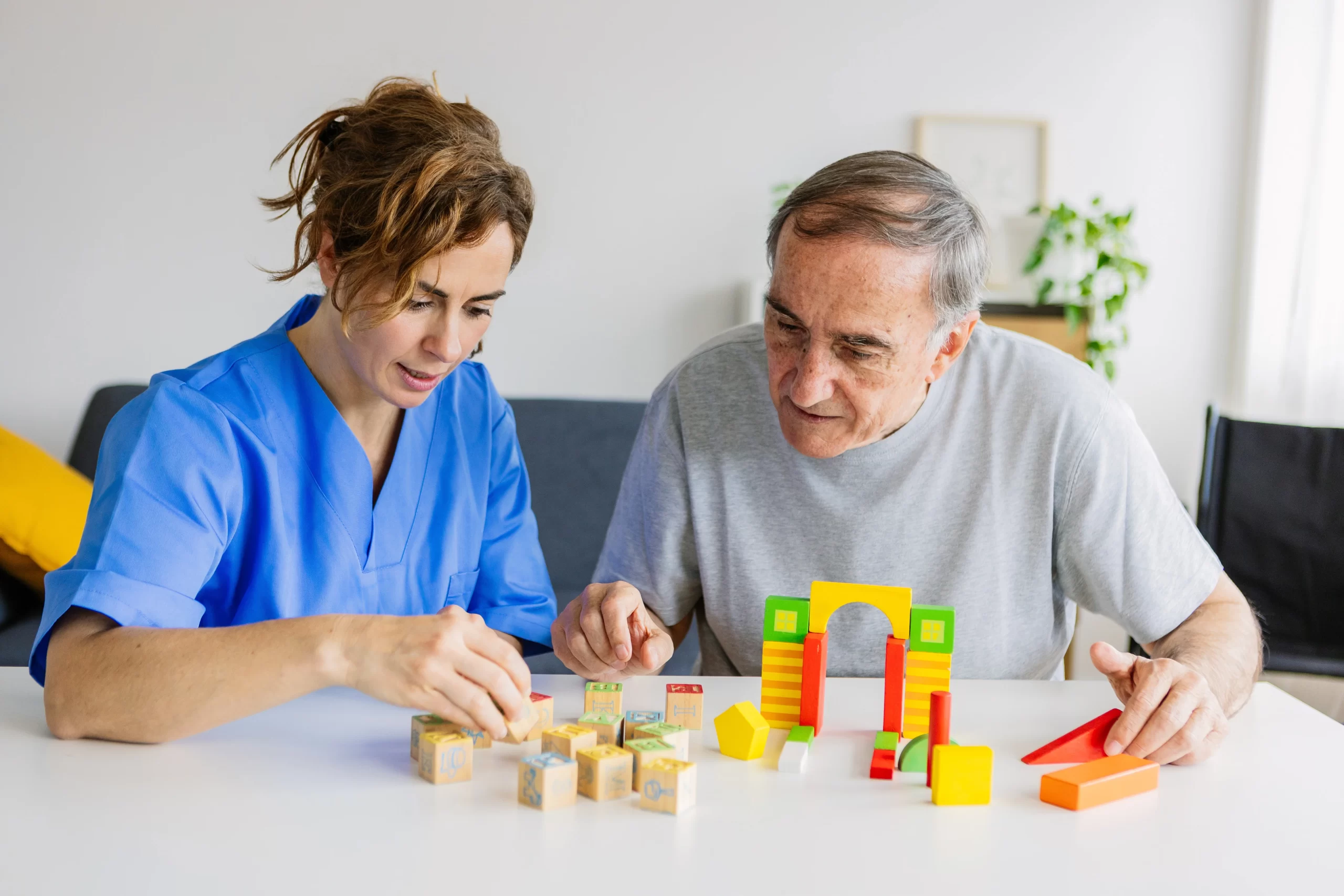
Modern caregiving is no longer limited to short visits or simple assistance. Today, specialized providers can support seniors with mobility challenges, chronic illnesses, and even cognitive decline from within the comfort of their homes.
This shift is powered by:
- Better caregiver training
- Monitoring technologies
- Personalized care plans
- Household modifications for safety
- Direct collaboration with nurses, therapists, and physicians
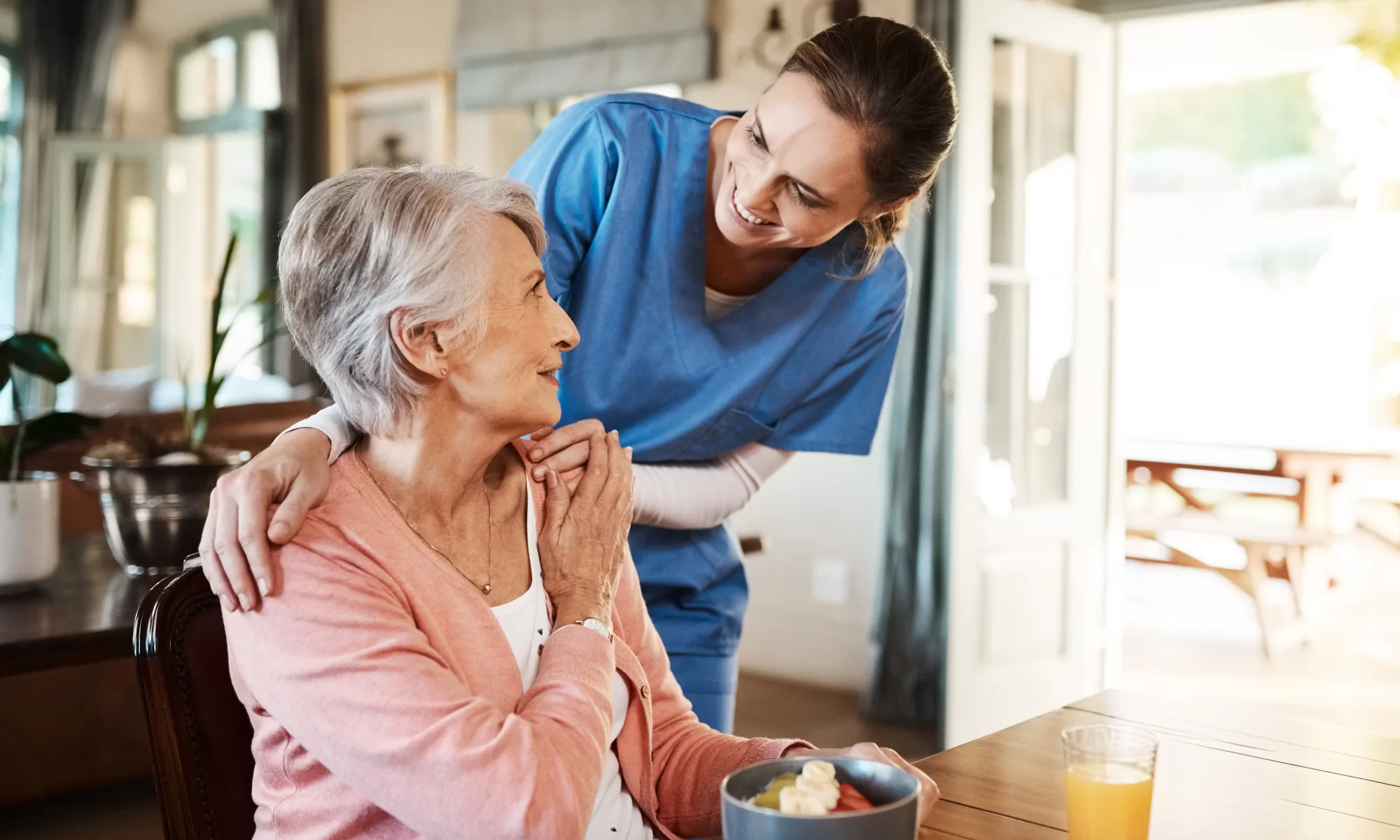
Because of these advancements, families now realize they don’t always need to move their loved ones into a facility when their health worsens. Many can now remain home safely with structured help, making in-home care a far more realistic alternative than it once was.
When Dementia Makes Home Care Feel Impossible
One of the biggest reasons people doubt nursing homes could become obsolete is dementia. Families who have seen late-stage Alzheimer’s firsthand know how demanding it can be, with constant supervision, multiple daily care tasks, mobility limitations, and behavioral changes that can be emotionally and physically draining.
This is exactly why dementia care has developed into a specialized area within in-home support. Instead of expecting families to shoulder impossible responsibilities, trained professionals now step in to provide structured routines, calming techniques, and safety-focused strategies that help seniors remain at home longer than ever before.
As dementia programs grow stronger and more accessible, one of the biggest barriers to eliminating nursing homes becomes smaller.
The Impact of Around-the-Clock In-Home Support
Another major development changing the future of elder care is the rise of live-in care. Instead of caregivers rotating through short shifts, one trained professional lives in the home, providing around-the-clock support, stability, and supervision.
This type of care solves concerns that used to push families toward nursing homes:
- Nighttime wandering
- Frequent need for assistance
- Complex daily routines
- Safety risks in stairs, bathrooms, or kitchens
- Loneliness caused by isolation
When seniors receive consistent support from someone who knows their schedule, preferences, and medical needs, aging in place becomes safe and predictable.
Can Nursing Homes Truly Become Obsolete?
Realistically, nursing homes may never disappear entirely. They’ll always have a place for seniors with extremely high medical needs, intensive rehabilitation requirements, or advanced conditions that exceed what can be realistically managed at home.
But what’s changing is the percentage of seniors who need to enter a facility. Twenty years ago, many moved into nursing homes simply because the family had no alternative. Today, families in Savannah and across the country are choosing to keep their loved ones at home with structured, professional, and personalized in-home support.
The question is no longer “Is nursing home care necessary?” It’s becoming “How long can we safely keep our loved ones at home?” And for many families, the answer is: longer than ever before.
The Future of Care in Savannah
If current trends continue—more personalization, better caregiver training, new home-monitoring technologies, and increasing demand for non-institutional aging—then nursing homes won’t disappear, they’ll become the secondary option rather than the default. For many families in Savannah, aging at home with dignity, safety, and professional support is now the first choice, not the last resort.