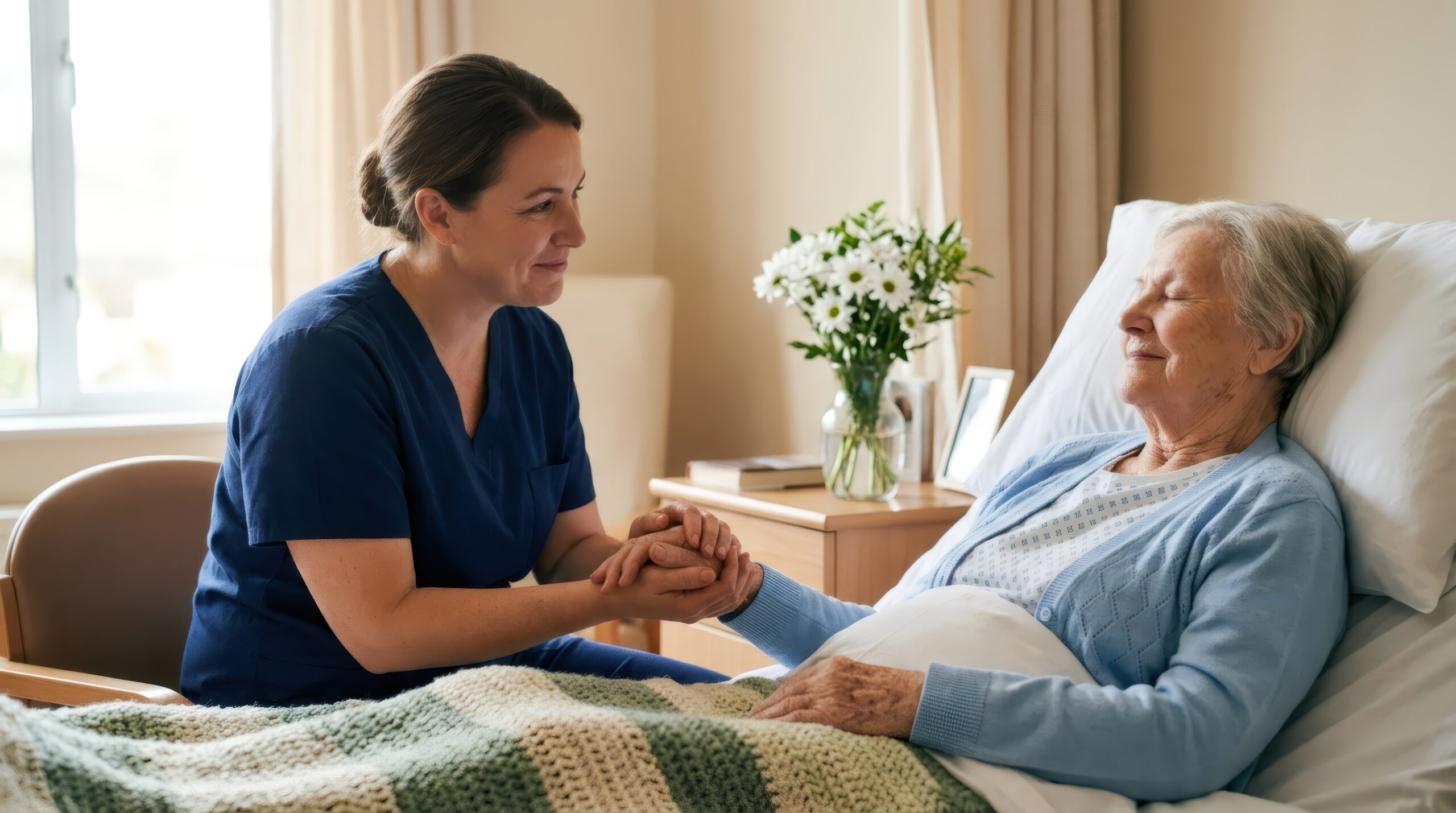
Choosing the right care for yourself or a senior loved one can be challenging. In Savannah, GA, many families are turning to Home Care Savannah because of the unique advantages it offers. Home care provides professional, nonmedical support in the comfort of your own home, helping seniors, adults with disabilities, and those recovering from illness maintain independence, safety, and quality of life. Unlike institutional care, home care allows individuals to live on their own terms while receiving personalized attention from trained caregivers. Here are 21 key benefits of using home care services.
Personaqlized Care Plans
One of the biggest advantages of home care is the ability to create personalized care plans. Every individual has different needs, routines, and preferences. Caregivers can assist with tasks such as meal preparation, personal hygiene, and mobility exercises based on each client’s condition. Personalization ensures the level of care matches each client’s health and lifestyle, helping them feel valued and understood. For families, this provides peace of mind knowing their loved one is receiving focused attention, tailored to support his or her physical, emotional, and social wellbeing.
Comfort of a Familiar Environment
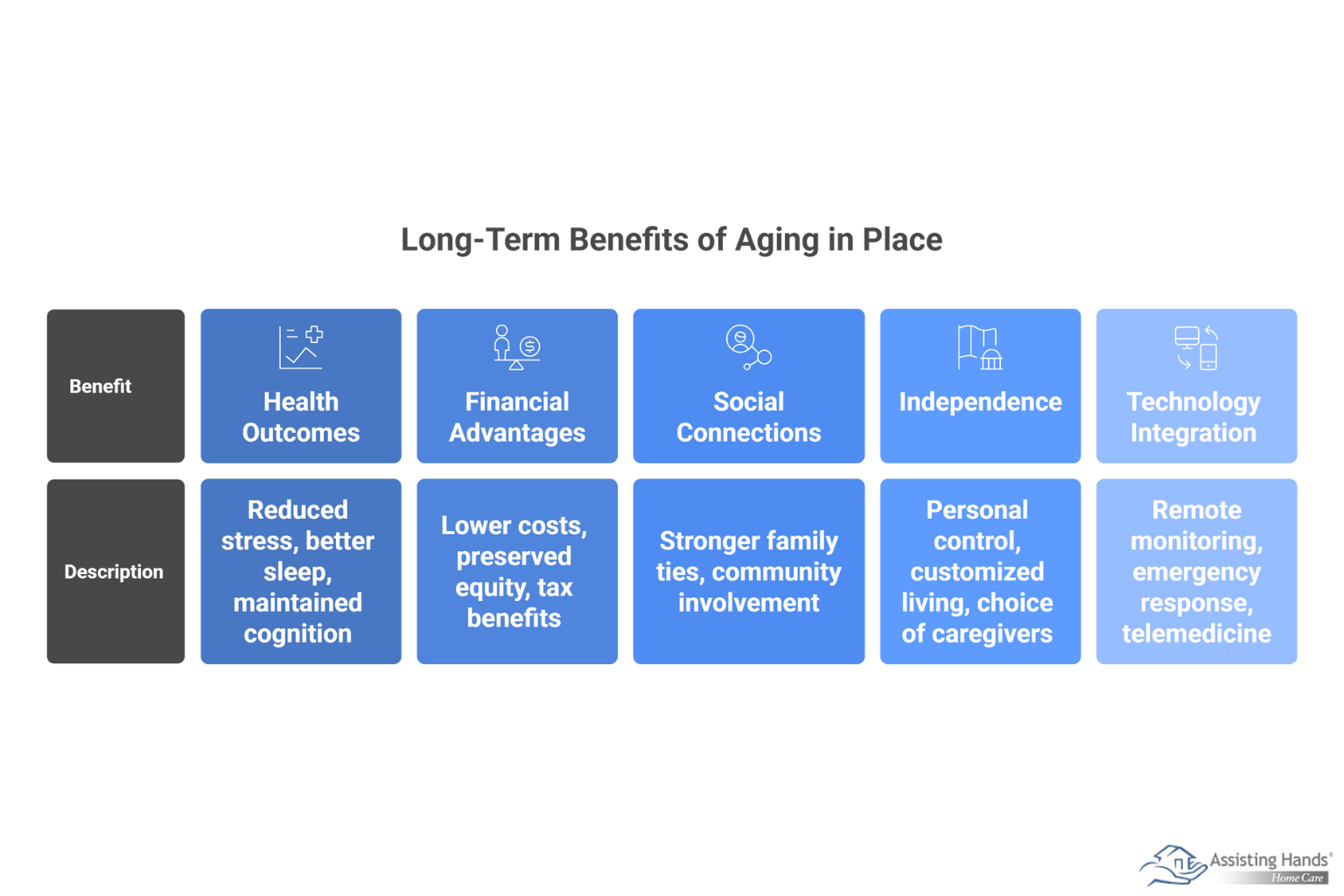
Staying at home provides emotional stability and comfort that’s difficult to replicate in a facility. Seniors and adults recovering from illnesses feel safer and more relaxed when surrounded by familiar surroundings, memories, and routines. Being in a familiar environment supports mental wellbeing, reduces anxiety, and encourages engagement in daily activities. This also allows family members to visit and participate more naturally in daily life, strengthening emotional bonds while providing a sense of normalcy and independence.
Increased Independence
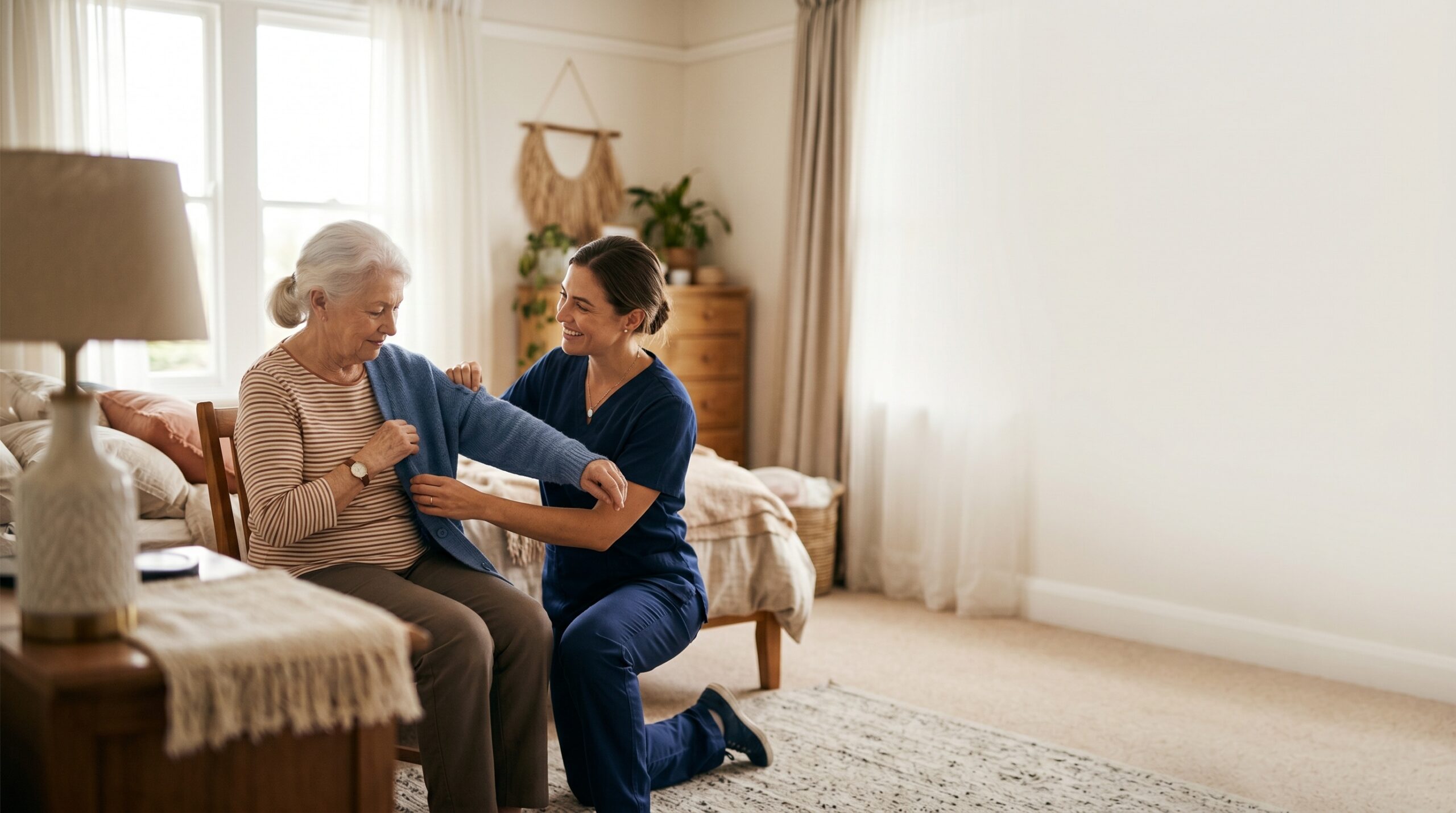
Maintaining independence is essential for both self-esteem and overall happiness. With the right support, individuals can continue performing tasks they’re capable of while caregivers assist with areas that require help. This balance allows seniors to retain control over their lives while staying safe. Services such as personal care can help with bathing, dressing, or grooming without taking away autonomy, empowering individuals to remain active participants in their daily routines.
A Higher Quality of Life
Home care significantly enhances quality of life by helping seniors stay active, engaged, and connected. Caregivers assist with physical activities, hobbies, and social interaction, which are essential for emotional and cognitive wellbeing. With professional support, individuals experience less stress and can maintain a sense of normalcy in their day-to-day lives. This holistic approach not only addresses practical needs but also enhances emotional satisfaction, allowing seniors to live a fuller and happier life.
Reduced Hospitalizations
One of the major benefits of home care is that it reduces unnecessary hospital visits. Trained caregivers monitor health, assist with mobility, and provide medication reminders, allowing potential issues to be addressed before they escalate. Seniors who receive consistent support are less likely to experience falls, medication errors, or complications from chronic conditions. This proactive approach leads to better health outcomes, fewer medical emergencies, and less stress for families, all while maintaining a safe and supportive home environment.
Cost-Effective Alternative
Home care is often more affordable than residential care facilities or long-term hospital stays. Families can choose from various services like 24-hour care or hourly support depending on their needs and budget. Paying only for necessary services avoids extra costs, providing flexibility without compromising quality. This makes home care a practical solution for families seeking professional assistance while keeping loved ones in the comfort of their own homes.
Flexible Scheduling
Care can be arranged based on the client’s lifestyle and family needs. Options include part-time, full-time, or specialized services such as hourly care or overnight care. This flexibility ensures seniors receive consistent attention exactly when needed. Families can maintain their routines, continue working, or travel without worrying about their loved one’s safety. Caregivers can adjust schedules to meet changing needs, creating a reliable and adaptable support system.
Companionship & Social Interaction
Social isolation is a major concern for older adults. Caregivers provide companionship, conversation, and emotional support, reducing loneliness and boosting mental health. Regular interaction helps seniors maintain cognitive function, emotional stability, and overall happiness. Engaging in hobbies, walks, or activities with a caregiver fosters a sense of belonging and strengthens connections with family and community, making daily life more fulfilling.
Safety and Fall Prevention
Caregivers can minimize accidents by maintaining a safe environment and assisting with mobility. Simple support like guiding steps, organizing living spaces, or monitoring for hazards can significantly reduce the risk of falls. Seniors receiving home care experience fewer emergencies, allowing them and their families to feel secure. Safety support also includes emergency planning, regular check-ins, and education on preventive measures.
Medication Management
Proper medication management is essential for seniors, especially those with multiple prescriptions. Caregivers can provide reminders, organize medications, and monitor adherence, ensuring the right doses are taken at the right times. This prevents health complications, reduces the risk of overdose or missed doses, and enhances overall health outcomes. Effective medication management allows families to relax, knowing their loved one is safe and well-monitored.
Family Involvement
Home care encourages family participation in caregiving decisions. Families are informed, involved, and supported while caregivers manage day-to-day tasks. This creates a collaborative environment where loved ones receive professional attention without losing family bonds. Families can focus on spending quality time with their loved one rather than handling all responsibilities themselves.
Emotional Support
Professional caregivers provide consistent emotional support, helping seniors manage stress, anxiety, or depression. Engaging in conversation, encouraging participation in hobbies, and offering reassurance strengthens mental health and emotional resilience. With trained caregivers, seniors feel understood and supported, enhancing their overall happiness and quality of life.
Continuity of Care
Home care services often assign consistent caregivers, building trust and familiarity. Seniors feel more comfortable and secure with familiar faces, leading to better communication, reduced stress, and more personalized care. Continuity improves adherence to routines, promotes comfort, and ensures individual preferences are respected.
Encourages an Active Lifestyle
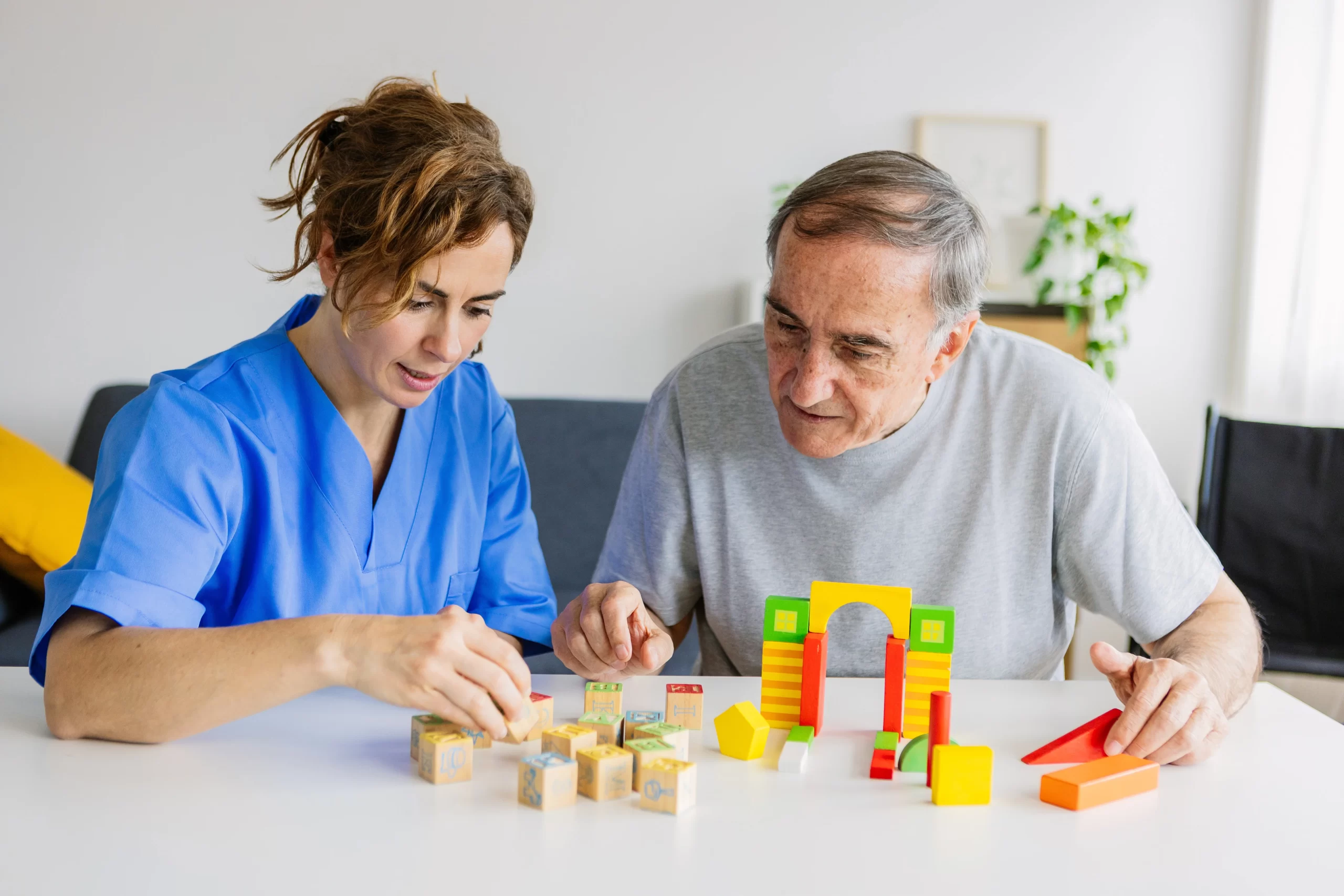
Seniors benefit from physical and mental stimulation. Caregivers encourage mobility, exercise, outdoor activities, and hobbies. This support increases strength, reduces isolation, and promotes healthy aging. Whether it’s a short walk or an engagement in creative activities, having someone to assist increases participation and overall health.
Continued Routine and Normalcy
Daily routines are essential for comfort, particularly for seniors with cognitive decline. Caregivers help seniors maintain consistency in meals, hygiene, and activities. This structured approach reduces anxiety, increases independence, and helps individuals adapt to daily life more confidently.
Reduced Risk of Infection
Being at home lowers exposure to illnesses often found in hospitals or communal living facilities. Caregivers follow proper hygiene protocols, monitor health, and provide a controlled environment, which is especially important for seniors with weakened immune systems.
Respite for Family Caregivers
Family members often experience burnout from continuous caregiving. Respite care allows families to take breaks while ensuring loved ones are professionally cared for. This support maintains family wellbeing, reduces stress, and prevents caregiver fatigue.
Enhanced Healing at Home
Recovery from illness, injury, or surgery is more comfortable at home. Caregivers can assist with rehabilitation exercises, meals, and daily tasks, promoting faster healing. Familiar surroundings combined with professional support create an environment conducive to physical and emotional recovery.
Transportation Support
Seniors often face challenges attending appointments, running errands, or participating in social activities. Caregivers provide safe transportation and assistance, ensuring clients stay independent, socially engaged, and able to maintain a normal routine.
Customized Care Levels
Home care services can be adjusted to evolving care needs, from live-in care to intermittent assistance. Seniors can transition smoothly as their needs change, whether requiring more intensive supervision or occasional help. Flexibility ensures optimal support without disrupting daily life.
Preserved Dignity and Choice
Home care allows seniors to maintain personal preferences, privacy, and dignity. Services such as dementia care focus on respectful and individualized support. Clients retain decision-making power, ensuring care aligns with their values and lifestyle while providing safety and assistance where needed.
Home care provides more than just support with daily tasks—it enhances independence, emotional wellbeing, and overall quality of life. From personal care to dementia care, flexible options like 24-hour care, hourly care, overnight care, live-in care, and respite care allow families to choose exactly what their loved ones need. By offering professional assistance in a familiar environment, home care helps seniors remain safe, happy, and engaged while giving families peace of mind.