Home care has become an essential support system for seniors who want to remain in the comfort of their own homes while receiving the assistance they need. With a growing senior population and increasing demand for in-home support, families are seeking services that promote safety, dignity, and independence. Non-medical home care focuses on helping older adults with daily living routines, emotional well-being, and household tasks, making life easier without requiring relocation to a facility.
Home Care Savannah generally fall into four main categories: Personal Care, Companionship, Homemaker Support, and Assistance with Errands and Daily Routines. These categories cover everything from bathing and grooming to social support, meal preparation, and help around the home. Below is a breakdown of each type of service and how it helps seniors and their families.
Personal Care Services (ADLs Support)
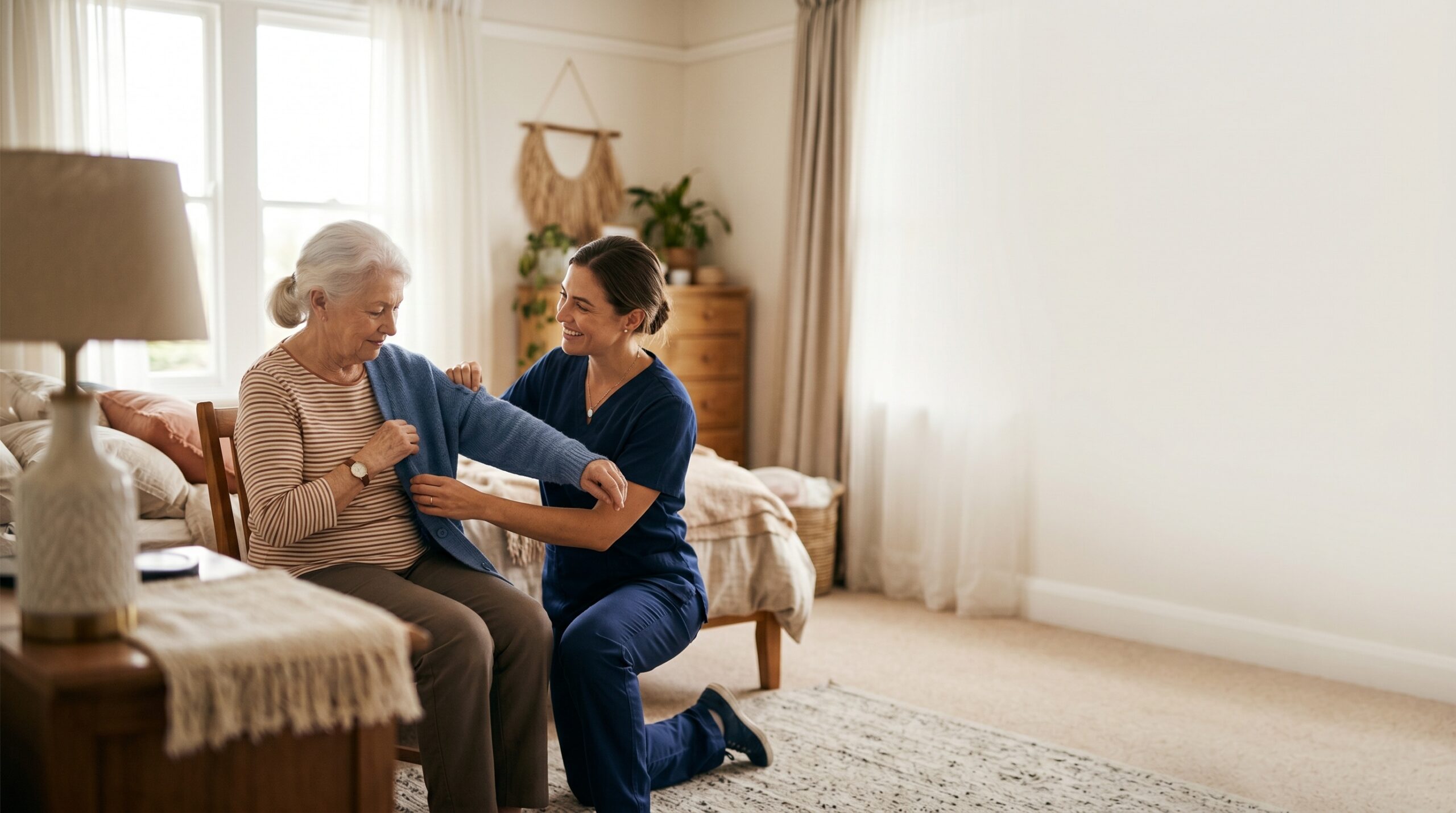
Personal care is one of the most important non-medical services for seniors who need help with daily physical routines. These services ensure safety, hygiene, and mobility support for individuals who may face age-related challenges.
Personal care services include:
- Bathing, grooming, and dressing assistance
- Toileting and continence care
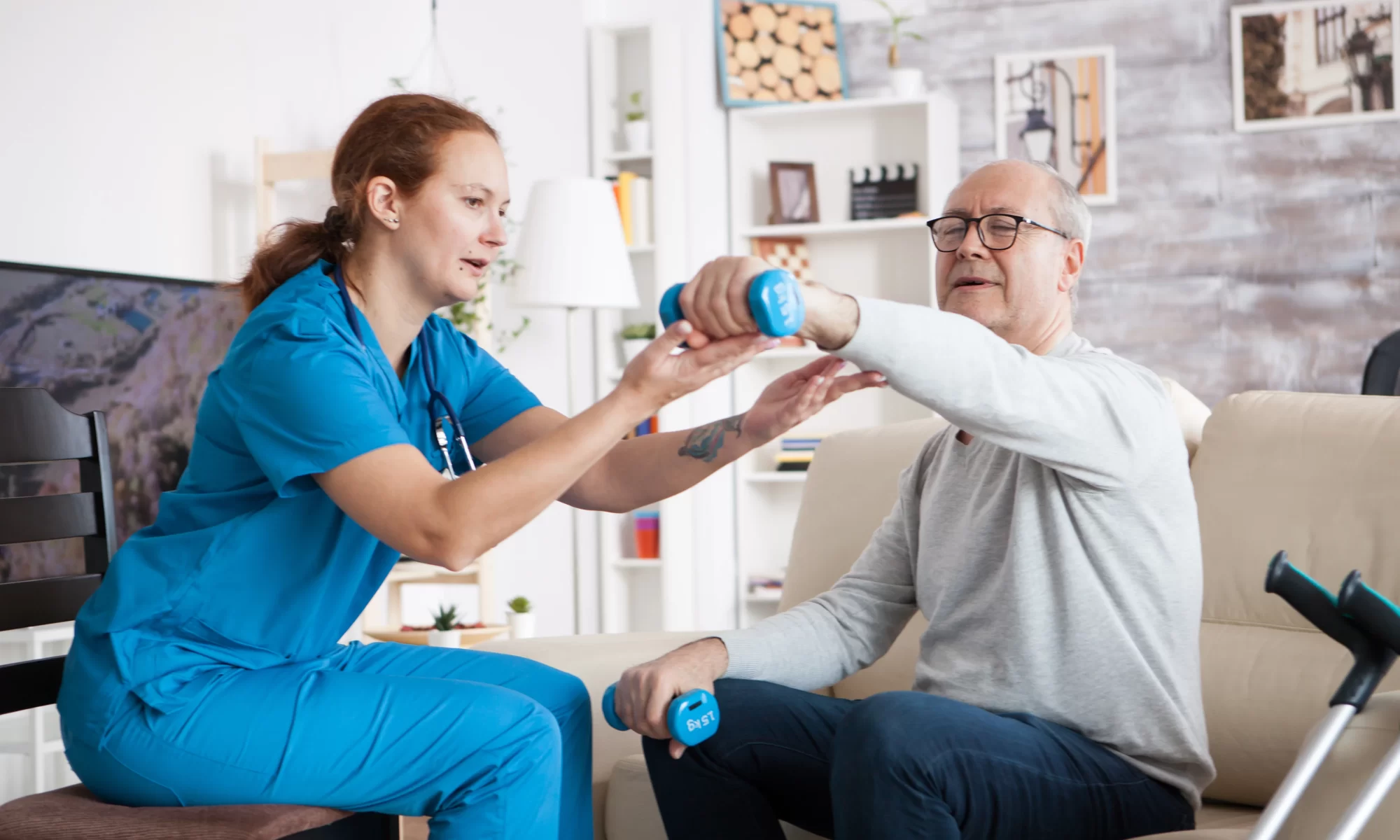
- Mobility support and transferring
- Walking assistance
- Eating assistance and daily routine support
Personal care helps reduce the risk of falls, prevents hygiene-related problems, and helps seniors maintain dignity at home. It allows seniors to remain independent while ensuring their daily routines are completed safely and comfortably.

Companionship and Social Support
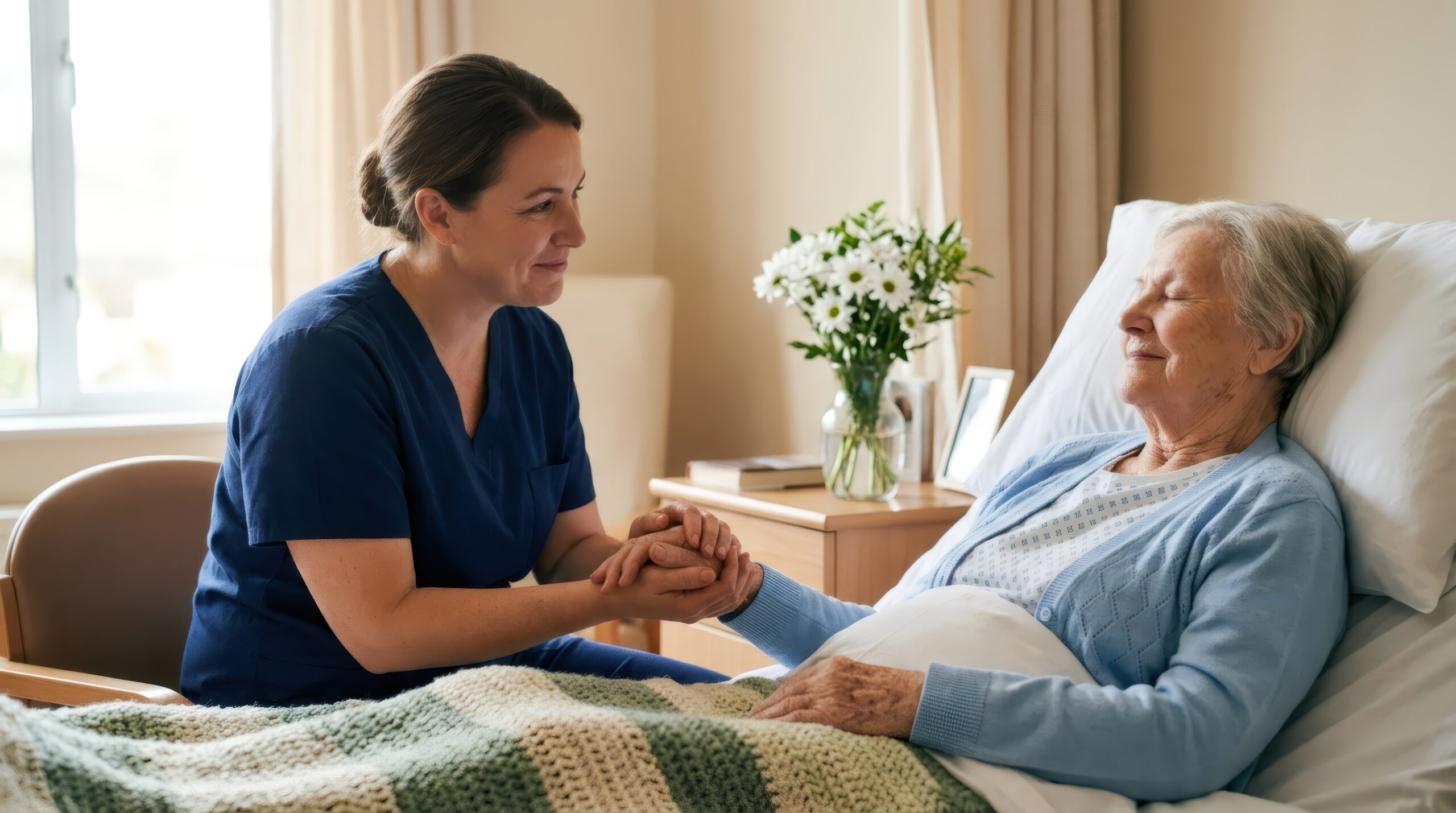
Companionship is a vital service for seniors who may feel isolated due to family distance, busy schedules, or living alone. This type of care focuses on emotional well-being and provides meaningful interaction, engagement, and supervision.
Companionship services include:
- Conversation and social interaction
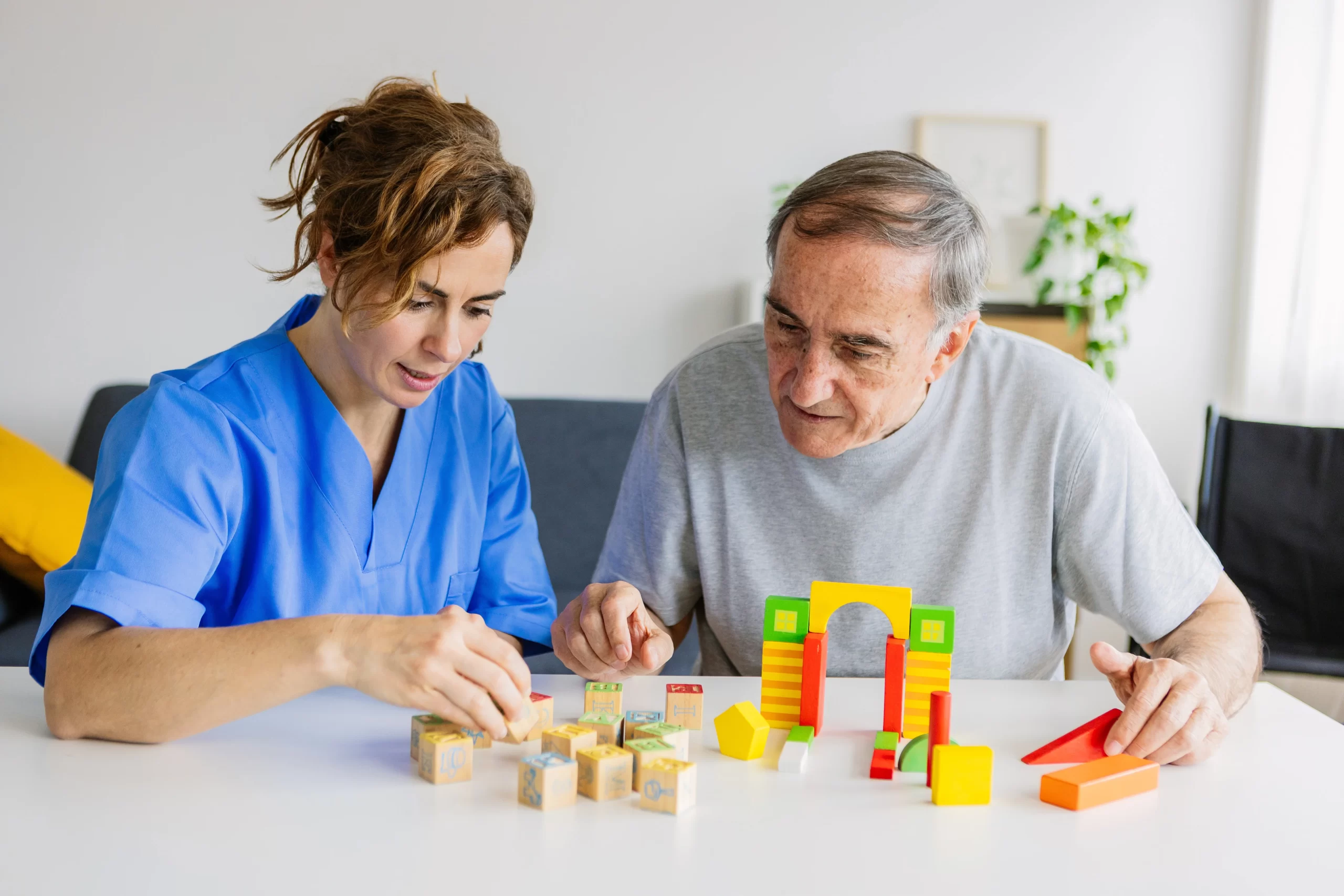
- Participation in hobbies, games, or activities
- Assistance with light outings and community engagement
- Support with daily routines and reminders
- Emotional support and supervision
Companionship helps seniors stay mentally active and socially connected, reducing loneliness and improving overall well-being. Families often use this service to ensure their loved ones remain engaged and emotionally supported.
Homemaker and Supportive Household Services
A clean and organized home is critical for senior safety and comfort. Many older adults struggle with household tasks due to limited mobility, fatigue, or health conditions. Homemaker services ensure that their living space remains tidy, safe, and manageable.
Homemaker services include:
- Light housekeeping and dusting
- Laundry and changing linens
- Meal preparation and kitchen cleanup
- Organizing daily essentials
- Maintaining clutter-free, safe areas
These services allow seniors to focus on personal health and enjoy a more relaxed home environment. Homemaker support helps older adults continue living independently without feeling overwhelmed by daily chores.
Errands, Transportation, and Daily Routine Assistance
Handling everyday errands can be challenging for seniors who no longer drive or prefer not to travel alone. Assistance with errands ensures they remain independent without fatigue or risk.
Errand and routine support includes:
- Grocery shopping and prescription pick-up
- Mailing items or handling small administrative tasks
- Accompanying seniors to appointments
- Transportation to errands or community events
- Help with time management and daily scheduling
This service enables seniors to stay active, maintain independence, and participate in their communities safely.
Home Care: Important Facts and Figures
| Category | Statistic | Insight |
| Senior Growth | 18% increase in 65+ population | Rising need for in-home support |
| Aging at Home | 72% of seniors prefer staying home | Demand for home care services increasing |
| Fall Prevention | 30% reduced fall risk with assistance | Personal care & mobility help are essential |
| Social Wellness | Seniors living alone are 2x more likely to feel isolated | Companionship improves emotional health |
| Cost Savings | Home care is 40–55% more affordable than facility care | Families save while seniors stay independent |
These figures show why non-medical home care services are increasingly important for seniors and families. Combining personal care, companionship, homemaker support, and errands assistance provides a complete support system for daily needs.
How These Services Improve Senior Life
The four types of non-medical home care services work together to create a complete support system for seniors. Personal care protects physical health, companionship supports emotional wellness, homemaker services maintain a safe home, and errands assistance ensures seniors stay active and engaged. Families gain peace of mind knowing their loved ones receive consistent, respectful, and professional care at home.
Agencies like Assisting Hands Home Care Savannah design personalized care plans tailored to each senior’s unique needs, lifestyle, and preferences. These plans ensure seniors receive the right combination of services, helping them maintain independence while enjoying the comfort of home.
Ensuring Comfort, Independence, and Peace of Mind at Home
Non-medical home care services provide a practical and effective way for seniors to maintain independence, safety, and quality of life at home. By offering personal care, companionship, homemaker support, and assistance with daily errands, these services address both physical and emotional needs. Families can feel confident knowing their loved ones are supported, while seniors enjoy comfort, routine, and a sense of autonomy. Investing in the right combination of home care services ensures that daily life remains manageable, engaging, and fulfilling for older adults.