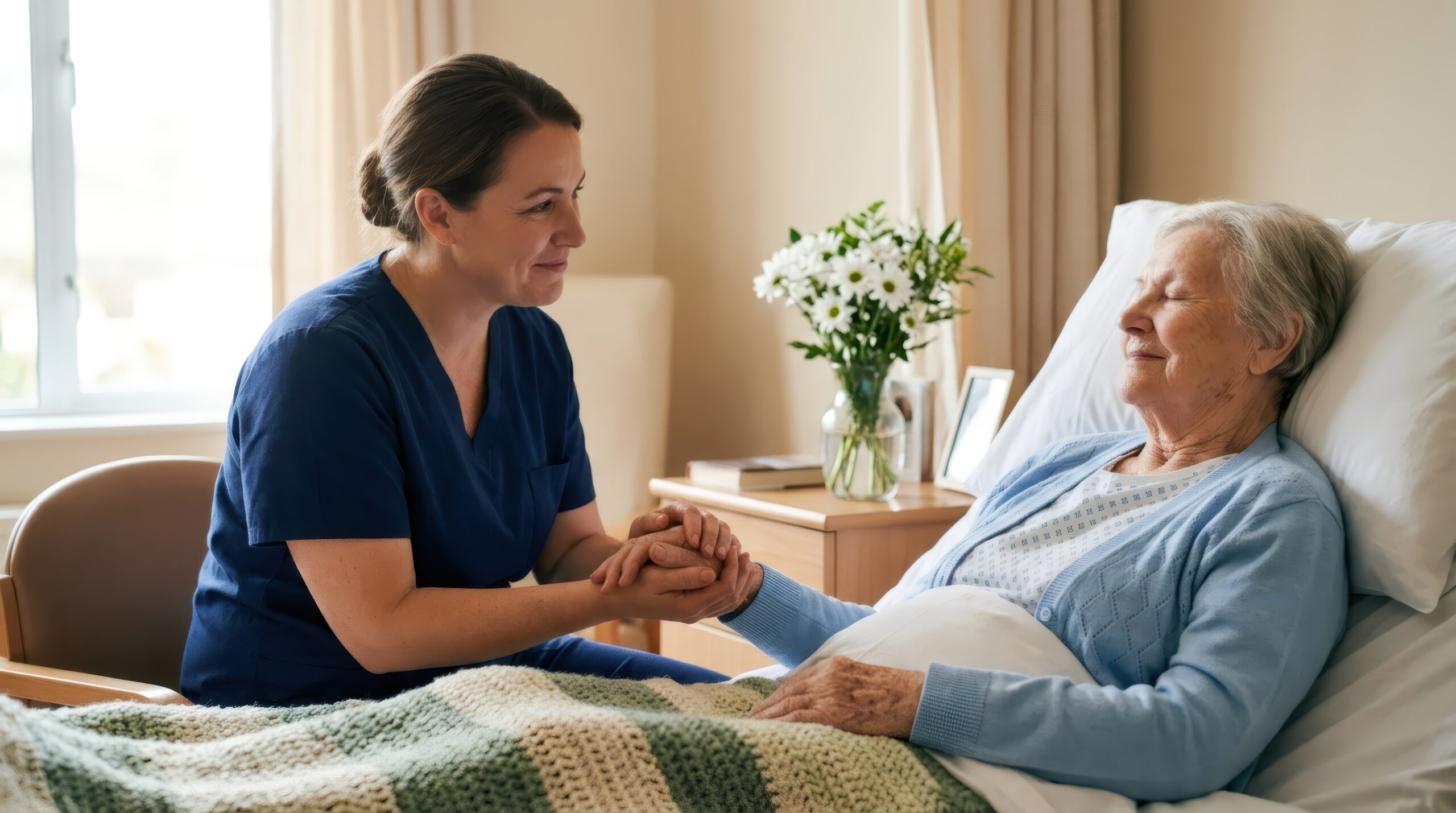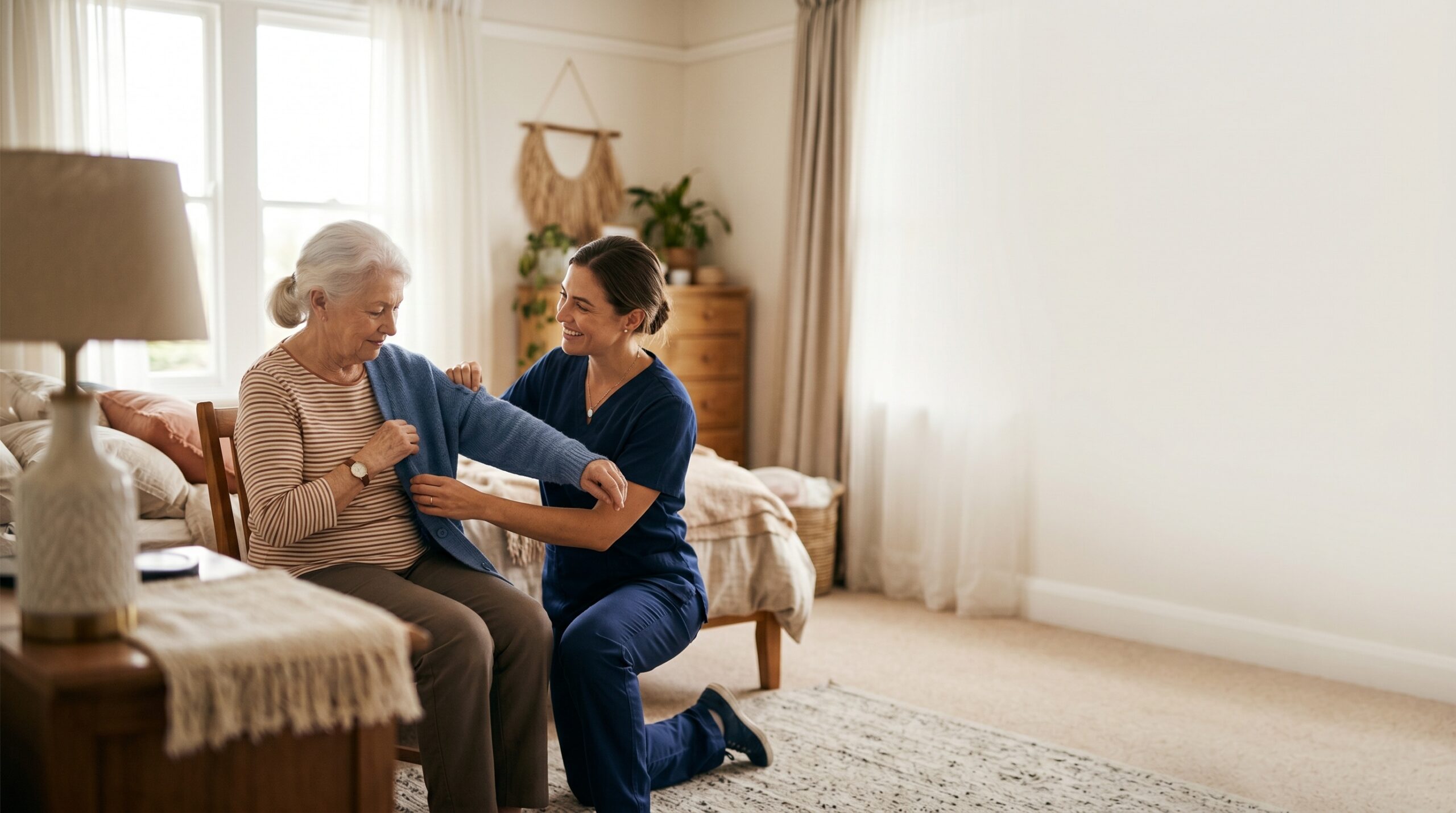
The most requested support service for older adults in Savannah is in-home personal care. Hourly caregivers assist with bathing, dressing, grooming, meal preparation, medication reminders, and mobility support. This hands-on help lets seniors remain in their own homes while staying safe, healthy, and independent.
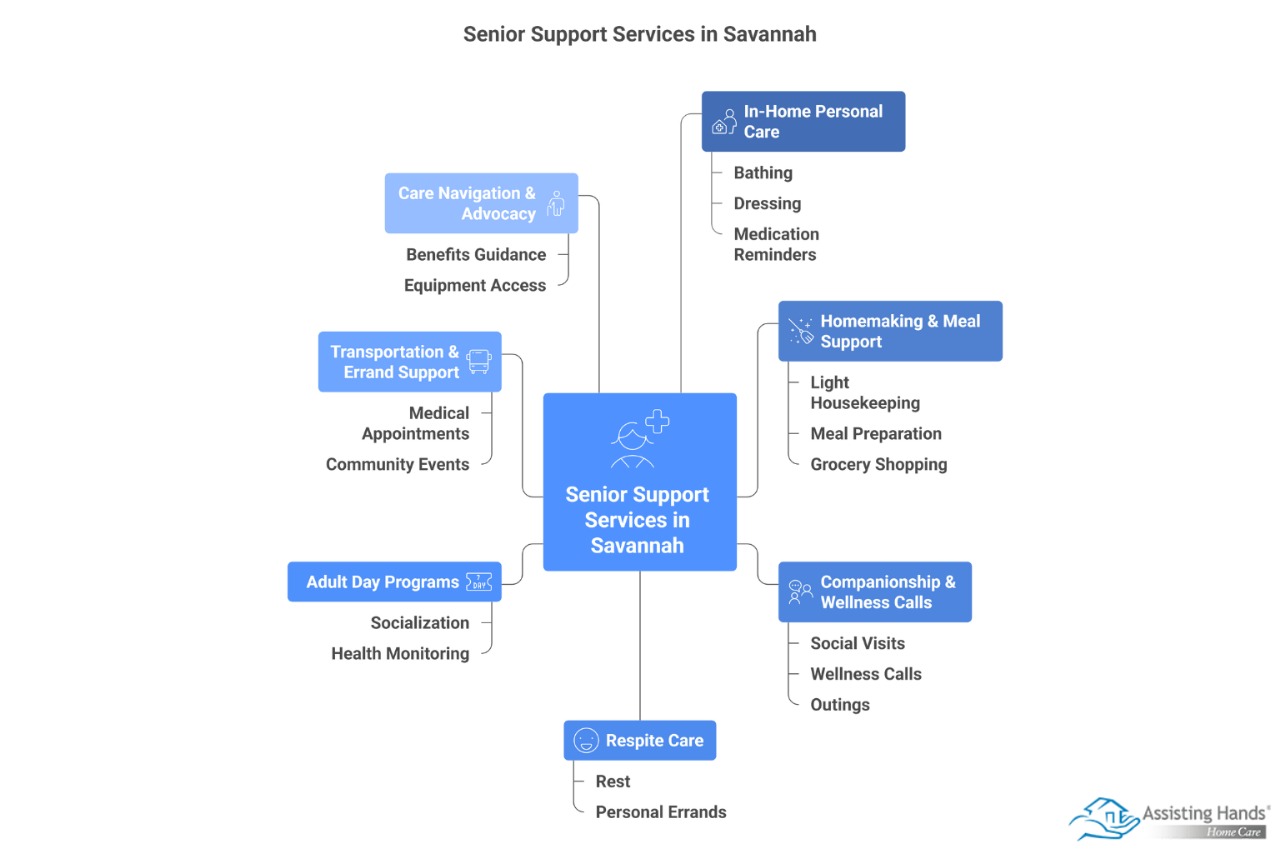
Popular Senior Support Services in Savannah at a Glance
| Service Type | What It Includes & Why It Matters |
|---|---|
| In-Home Personal Care | Hands-on help with daily living tasks—enables independence for the nearly 15% of Savannah residents aged 65+ |
| Homemaking & Meal Support | Light housekeeping, laundry, grocery shopping, meal preparation, and delivery programs |
| Companionship & Wellness Calls | Social visits, walks, games, daily check-ins to combat isolation |
| Respite Care | Temporary relief for family caregivers to reduce burnout |
| Adult Day Programs | Structured daytime activities with supervision and health monitoring |
| Transportation & Errand Support | Rides to appointments, shopping, and community events |
| Care Navigation & Advocacy | Guidance through benefits, services, and resources for older adults |
In-Home Personal Care: Savannah’s Top Service
For many seniors, aging at home is more than a preference—it’s a way to preserve independence and dignity. High-quality Home Care in Savannah makes this possible. Caregivers provide customized support with activities of daily living, which reduces fall risks and hospital readmissions. With Savannah’s senior population at roughly 14–15% of the city’s residents, demand for this service continues to grow.
Homemaking & Meal Support
A clean home and proper nutrition are cornerstones of healthy aging, but these tasks can become overwhelming. Professional homemaking services and programs like Meals on Wheels fill the gap. After a recent funding boost, the program was able to deliver hundreds more meals to homebound seniors, yet the waitlist still exceeds 400 people, highlighting how critical meal support is for Savannah’s elderly residents.
Companionship & Wellness Calls
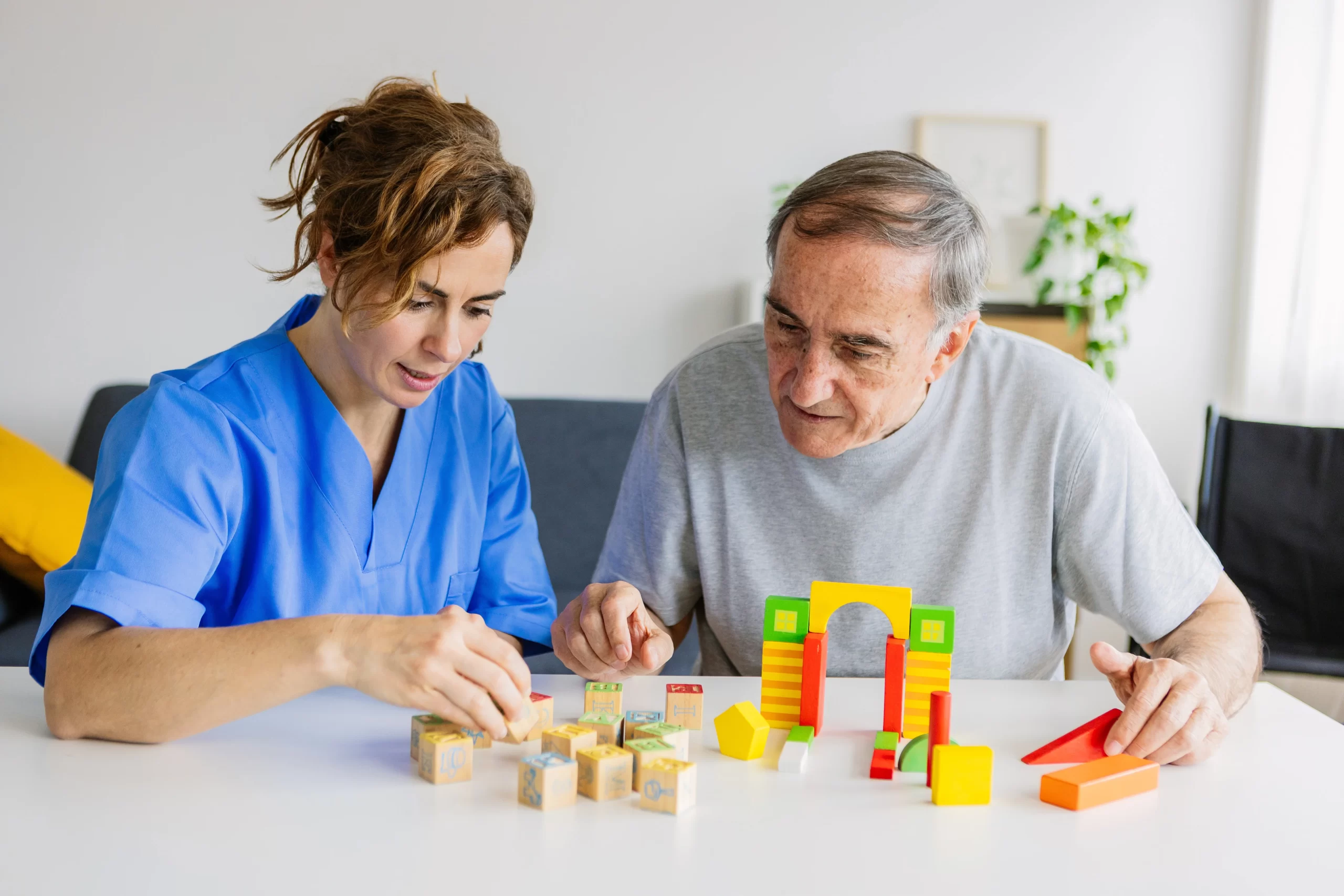
Loneliness is linked to higher risks of depression, cognitive decline, and heart problems. Agencies in Savannah pair seniors with caregivers or volunteers for conversation, games, and outings. Many also offer short daily wellness calls to check on hydration, meals, and medication. These services strengthen social connections for older adults who may otherwise be isolated.
Respite Care
Family members are the backbone of senior care in Savannah, but caregiving can be exhausting. Respite care offers temporary professional support so caregivers can rest, handle personal errands, or simply recharge. This relief can prevent burnout and enahnce the quality of care seniors receive at home.
Adult Day Programs
For seniors who need daytime oversight, adult day centers provide structured activities, socialization, and health monitoring. These programs give families peace of mind while keeping older adults engaged and active during the day.
Transportation & Errand Support
Independence often hinges on mobility. Transportation services help seniors get to medical appointments, grocery stores, and community events when they can no longer drive themselves. This access can prevent isolation and keep older adults involved in daily life.
Care Navigation & Advocacy
Even with good insurance coverage, navigating benefits and services can be confusing. Personal care agencies often provide assistance with care navigation, guiding seniors and their families through benefits, equipment access, and the enrollment processes, streamlining the experience and reducing stress.
Frequently Asked Questions
What assistance is available for seniors in Georgia?
+
Georgia offers a wide range of programs for older adults through the Georgia Department of Human Services Division of Aging Services and local Area Agencies on Aging. Options include in-home care, home-delivered meals, transportation to medical appointments, adult day health centers, respite care for family caregivers, legal assistance, and wellness programs. Nonprofit organizations and county agencies also provide help with prescription costs, home modifications, and caregiver training.
What do elderly people need help with the most?+
Most seniors need support with activities of daily living such as bathing, dressing, grooming, preparing meals, managing medications, and getting to appointments. Many also require assistance with housekeeping, paying bills, and navigating benefits programs. Emotional support and companionship are equally important, as isolation can worsen health outcomes.
What is the support group for lonely elderly?+
Several support groups address social isolation among older adults. In Georgia, local senior centers, faith-based organizations, and programs like Senior Companions or Foster Grandparent Programs offer structured opportunities to connect. Online communities and telephone reassurance programs also provide regular check-ins for housebound seniors.
How do I find senior friends?+
Older adults can meet new friends through senior centers, adult education classes, volunteer projects, fitness programs designed for seniors, and interest-based clubs (such as gardening or book clubs). Many communities in Georgia also host free or low-cost social events and day trips specifically for older adults.
Who cares for the elderly without family?+
When seniors don’t have nearby family, care may be provided by professional caregivers, home care agencies, or long-term care facilities. Georgia’s Adult Protective Services and local aging agencies can help families identify resources, arrange case management, and connect seniors to in-home support, respite care, or guardianship programs if needed.