Caregiving can feel overwhelming, with long days filled with medical appointments, medication schedules, and emotional challenges. But amid the serious responsibilities, humor emerges as a powerful tool that can transform both the caregiver and care recipient experience. Research shows laughter doesn’t just lighten the mood—it actually provides measurable physical and mental health benefits that make caregiving more sustainable and meaningful.
Laughter as Medicine: The Science behind Humor’s Healing Power
When we laugh, our bodies undergo remarkable physiological changes that directly benefit both caregivers and those receiving care. Laughter triggers the release of endorphins, the body’s natural feel-good chemicals, while simultaneously reducing stress hormones like cortisol and adrenaline.
Studies have demonstrated that laughter can:
- Lower blood pressure and boost cardiovascular health
- Boost immune system function by increasing antibody production
- Reduce pain perception through natural endorphin release
- Increase oxygen flow to organs and tissues
For caregivers managing chronic stress, these benefits become especially crucial. A good laugh can provide the same stress relief as moderate exercise, offering a quick and accessible way to reset during challenging moments.
For some families, caring for a senior loved one can be overwhelming at times. Luckily, they can rely on respite care provided by the experienced professionals from Assisting Hands Home Care Savannah. We are a trusted name in respite and hourly care, and our caregivers are available around the clock to assist seniors with bathing, transportation, medication reminders, exercise, and much more, allowing families the time they need to focus on other important responsibilities or just take a break.
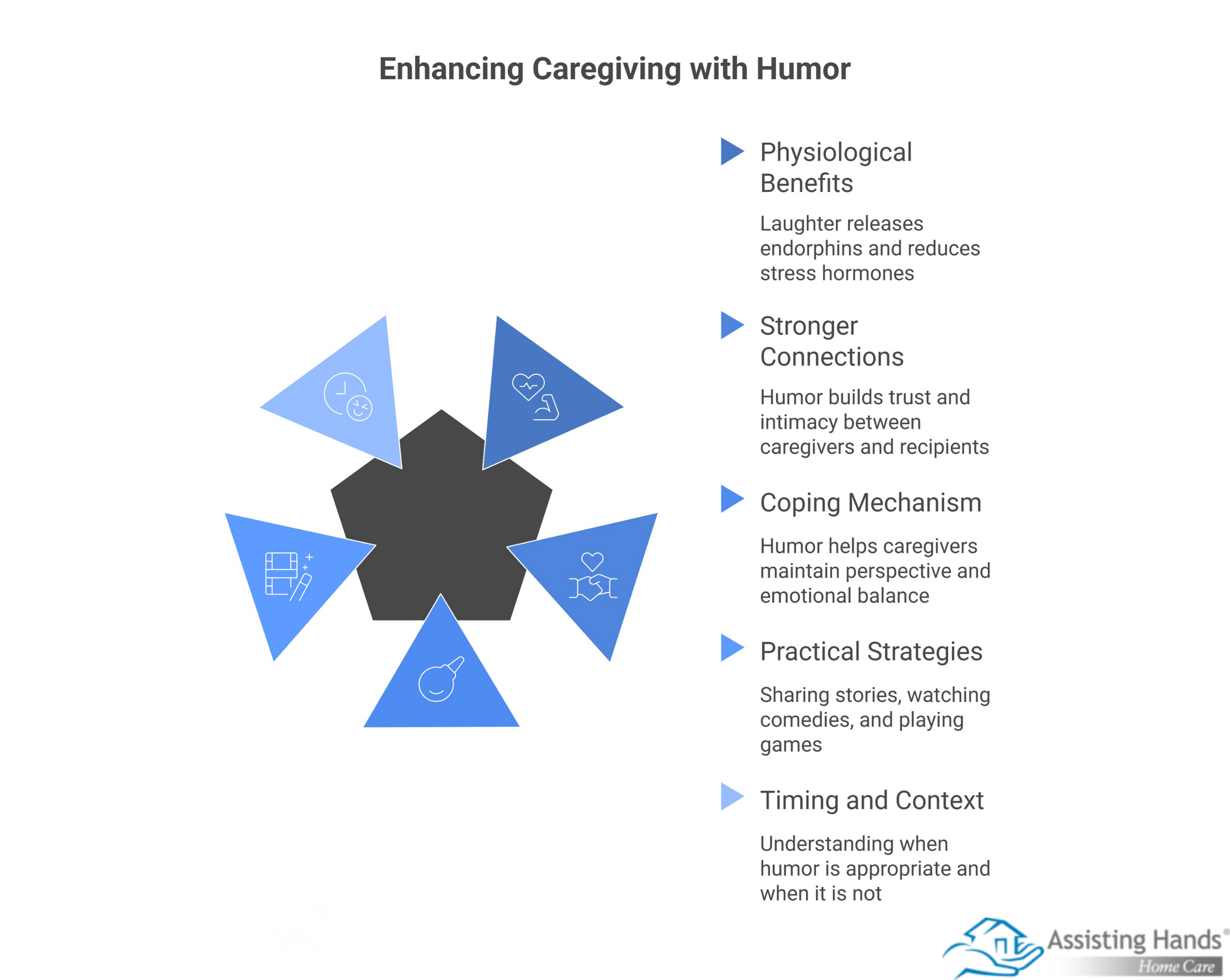
Humor serves as a bridge between caregivers and care recipients, creating moments of normalcy and connection beyond caregiving routines. Shared laughter establishes trust and intimacy that purely professional interactions cannot achieve.
When caregivers use appropriate humor, they:
- Demonstrate they see the person, not just the condition
- Create safe spaces for open communication
- Normalize difficult experiences
- Build resilience within the caregiving relationship
These connections become particularly valuable during caregiving routines or uncomfortable situations, where gentle humor can ease anxiety and make necessary care more tolerable for everyone involved.
Humor as a Coping Mechanism for Daily Challenges
Caregiving presents countless unexpected situations that can either become sources of frustration or opportunities for finding lightness. Developing the ability to find humor in everyday mishaps helps caregivers maintain perspective and emotional balance.
Common scenarios where humor helps include:
- Technology challenges when learning new medical equipment
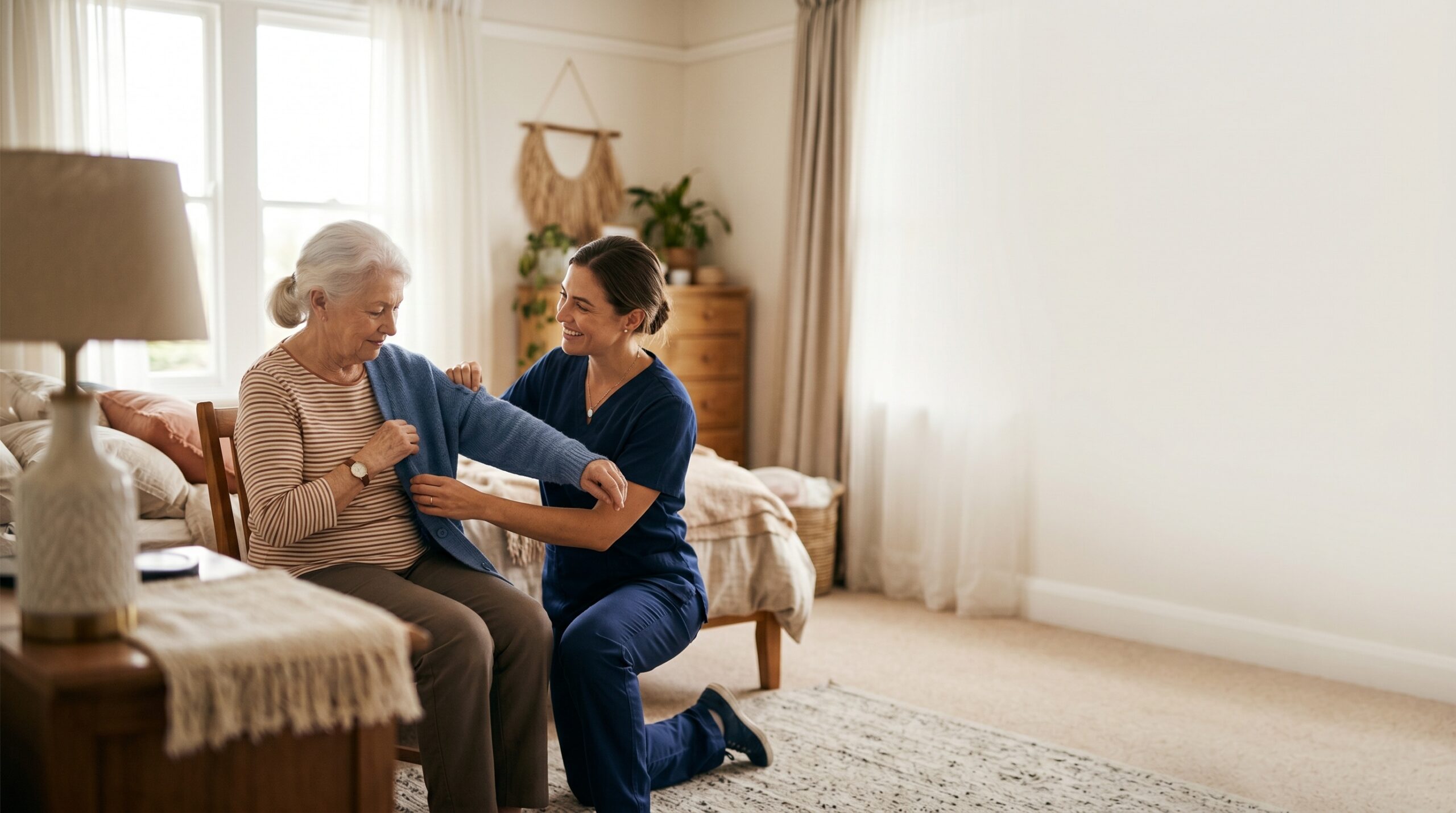
- Wardrobe malfunctions during dressing assistance
- Communication misunderstandings that create funny moments
By reframing these challenges through a humorous lens, caregivers can reduce their own stress while modeling resilience for their loved ones.
Not every senior has the same care needs, which means they don’t all need the same type of Home Care in Savannah. Families can rely on Assisting Hands Home Care to provide individualized care plans to meet their elderly loved ones’ unique care needs. Our caregivers help seniors focus on healthy lifestyle habits such as eating nutritious foods, exercising regularly, and maintaining strong social ties, and we offer mentally stimulating activities that can boost cognitive health and delay the onset of dementia.
Practical Ways to Incorporate Humor into Caregiving
Integrating humor into caregiving doesn’t require comedic talent—it simply needs intentionality and sensitivity to timing and appropriateness. The goal is creating genuine moments of joy, not forced entertainment.
Effective strategies include:
- Sharing funny stories from your own life or current events during routine activities
- Watching comedy shows or movies together as part of regular entertainment
- Playing simple word games or telling jokes during waiting periods at appointments
- Using gentle self-deprecating humor to lighten tense moments
- Encouraging reminiscing about funny family memories or past experiences
The key is reading the room and understanding when humor is welcome versus when serious attention is needed.
Finding Balance: When Humor Helps and When It Doesn’t
While humor provides significant benefits, successful caregivers understand timing and context matter enormously. Inappropriate humor can damage trust and make care recipients feel minimized or misunderstood.
Situations requiring careful consideration include:
- Moments of grief or fear about health outcomes
- When discussing serious diagnoses or prognoses
- Times when the care recipient feels particularly vulnerable
The most effective caregiving humor comes from genuine affection and respect, never at the expense of dignity or emotional needs. It should feel like a natural extension of caring, not a deflection from important conversations or feelings.
Humor transforms caregiving from a series of tasks into shared human experiences filled with joy and connection. When used thoughtfully, laughter becomes one of the most powerful tools in a caregiver’s tool kit.
Seniors can face a variety of age-related challenges. Though some families choose to take on the caregiving duties, there may come a time when they need trusted live-in care Savannah families can trust. Family caregivers sometimes need respite from their duties so they can focus on their other responsibilities, and some seniors need around-the-clock assistance that their families are not able to provide. Assisting Hands Home Care is here to help. Call one of our friendly Care Specialists today to learn more about our customized care plans.