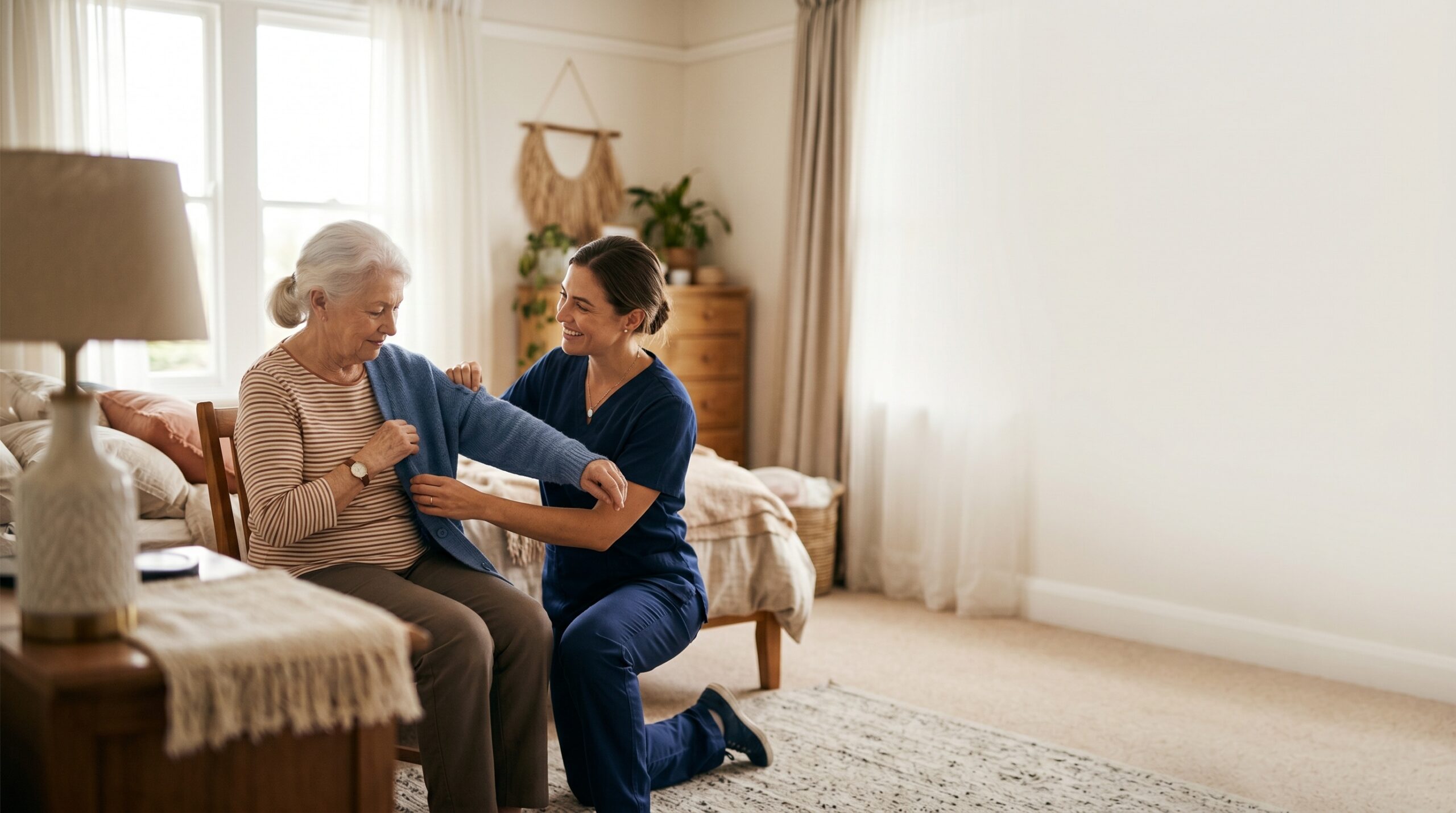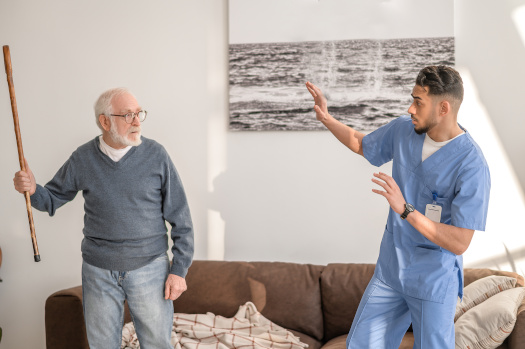
Aggression in dementia care can be managed by identifying underlying triggers, validating emotions, reducing environmental stress, and using calm redirection techniques. Caring for a senior loved one with dementia brings many challenges, but unexpected aggression can be one of the most distressing experiences for caregivers. Understanding this behavior is often a form of communication rather than deliberate hostility is the first step toward managing it effectively. By employing specific de-escalation strategies, you can ensure safety and restore calm for both yourself and your loved one.
What Triggers Aggressive Behavior in Someone with Dementia?
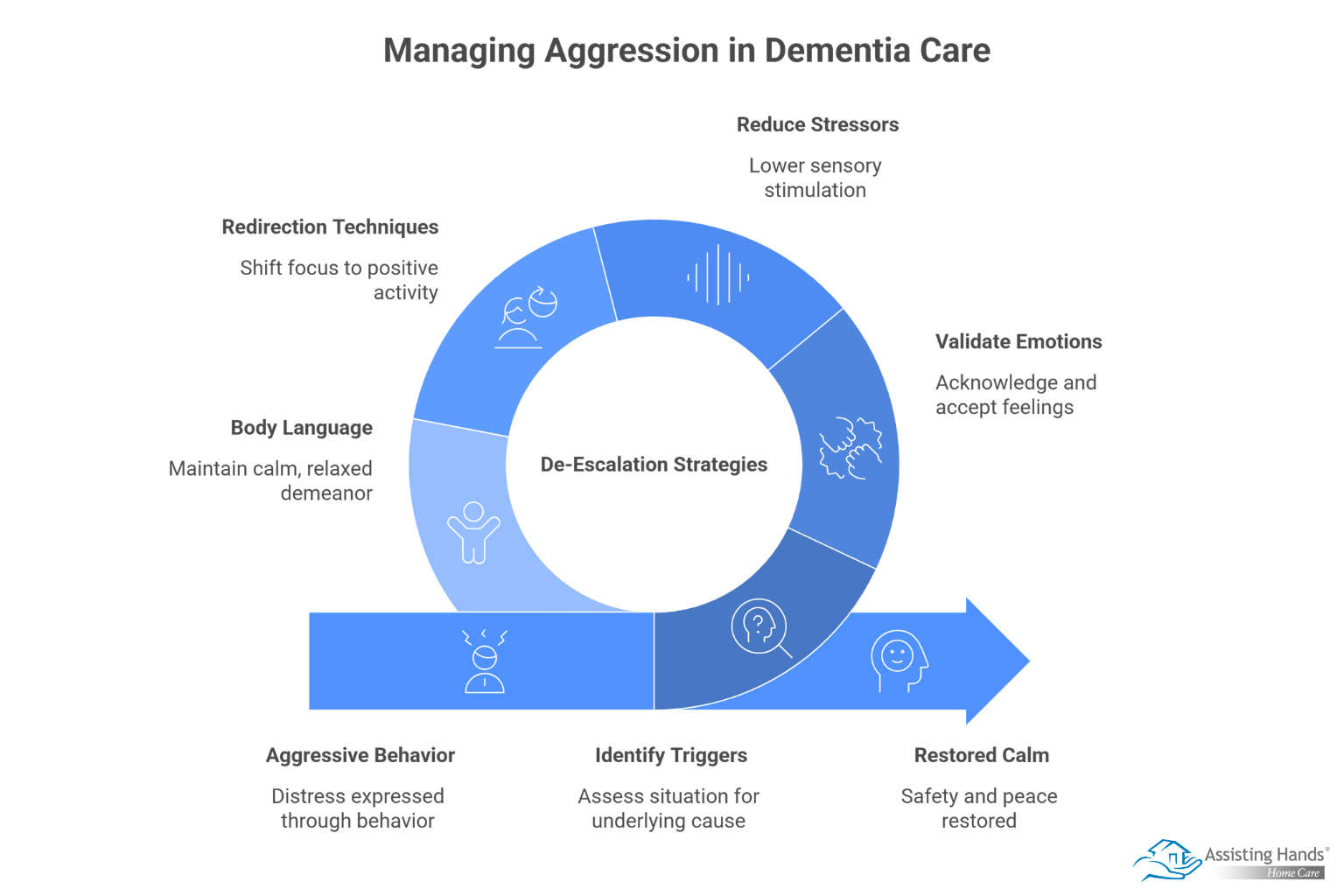
Aggression in dementia patients rarely happens without a cause. Because the disease erodes the ability to communicate verbally, individuals often express physical or emotional distress through behavior. Before attempting to intervene, take a moment to assess the situation and look for the “why” behind the outburst.
Common triggers often fall into three categories:
- Physical discomfort – Your loved one may be in pain, hungry, thirsty, constipated, or have an infection like a UTI. Or your loved one might simply be too hot or too cold but cannot find the words to say so.
- Environmental factors – A room that’s too loud, cluttered, or brightly lit can cause sensory overload. Conversely, a space that’s too dark might cause frightening shadows or hallucinations.
- Psychological distress – Your loved one may feel confused, lonely, or frightened. Or your loved one might not recognize his or her surroundings or the people around him or her, leading to a defensive “fight or flight” response.
The cognitive challenges that accompany dementia often leave aging adults unable to manage everyday tasks, which puts their safety and health at risk. If your senior loved one has been diagnosed with a serious condition and needs help with tasks like meal prep, transportation, medication reminders, bathing, and grooming, reach out to Assisting Hands Home Care, a leading provider of Savannah home care. We also offer comprehensive care for seniors with dementia, Alzheimer’s, and Parkinson’s.
Why Does Validation Work Better than Logic during Aggression?
When seniors with dementia are angry or aggressive, trying to reason with them or correct their facts will likely escalate the situation. Your loved one’s reality is different from yours, and arguing will only make him or her feel unheard and frustrated. Instead, use a technique called validation therapy.
This approach involves acknowledging and accepting your loved one’s feelings as true for him or her. If your loved one is angry because he or she believes someone stole his or her wallet (even if your loved one just misplaced it), don’t tell your loved one that he or she is wrong. Instead, say “I can see you’re very upset that your wallet is missing. That must be frustrating. Let’s look for it together.” By validating your loved one’s emotion, you lower his or her defenses and build trust.
How Can Environmental Changes Reduce Aggressive Outbursts?
Lowering sensory stimulation can quickly calm an overwhelmed nervous system. Overstimulation is a major contributor to aggressive outbursts. A brain compromised by dementia has to work much harder to process information, and too much input can lead to a catastrophic reaction. If you notice signs of agitation, such as pacing or wringing hands, look at the immediate environment.
Try to reduce the sensory load by:
- Turning off the television or radio
- Asking others to leave the room or lower their voices
- Dimming harsh lights or closing curtains to reduce glare
- Removing unnecessary clutter that might be confusing or overwhelming
Creating a quiet, serene atmosphere can often act as a reset button for an agitated nervous system.
How Does Redirection De-Escalate Aggression Safely?
Once you’ve validated your loved one’s feelings and reduced environmental stressors, try to shift the focus away from the source of his or her anger. Redirection is a subtle art that involves guiding the person toward a different, more positive activity or thought process.
This works best if you can bridge the gap with something your loved one enjoys. For example, if your loved one is agitated about wanting to go home (when he or she is already home), you might say “We can go later, but let’s have some ice cream first.” Other effective distractions include:
- Putting on your loved one’s favorite soothing music
- Asking for help with a simple repetitive task like folding towels
- Offering a comforting snack or drink
- Going for a short walk to change the scenery
Symptoms such as agitation, confusion, anger, and frustration are common in elderly people with dementia. Certain age-related conditions can make it more challenging for older adults to age in place safely and comfortably, but experts in live-in care for Savannah seniors are available around the clock to help aging adults manage their health. Whether your loved one is living with dementia or recovering from a stroke, you can trust the professional caregivers from Assisting Hands Home Care to enhance his or her quality of life.
Why Does a Caregiver’s Body Language Matter during Aggression?
Aggression can be scary, but your reaction significantly influences the outcome. People with dementia are highly sensitive to nonverbal cues. If you appear tense, angry, or fearful, your loved one will mirror those emotions, and the situation will worsen.
To maintain safety and promote calm:
- Check your tone – Speak slowly, softly, and in a lower pitch. Avoid shouting, even if your loved one is raising his or her voice.
- Watch your stance – Approach your loved one from the front so you don’t startle him or her, but keep a safe distance—about arm’s length. Avoid cornering your loved one or standing over him or her, which can feel threatening.
- Stay relaxed – Keep your hands open and visible. Avoid crossing your arms or frowning.
Frequently Asked Questions
What causes aggression in individuals with dementia?
Aggression can stem from confusion, frustration, pain, or environmental factors that overwhelm the individual.
How do caregivers manage aggressive behaviors in dementia patients?
Caregivers use de-escalation techniques, such as staying calm, redirecting attention, and identifying triggers to prevent future episodes.
Can dementia home care reduce the frequency of aggressive outbursts?
Yes, personalized care plans and a structured, calming environment can minimize triggers and reduce aggression.
What should family members do if their loved one becomes aggressive?
Family members should remain calm, avoid confrontation, and seek guidance from caregivers on effective strategies to handle such situations.
Are caregivers trained to handle physical aggression safely?
Yes, caregivers are trained to manage physical aggression with techniques that prioritize safety for both seniors and themselves.
Aging in place can present a few challenges for seniors living with dementia. However, with professional dementia care that offers Savannah families peace of mind, they can still live independently at home. Families can rely on Assisting Hands Home Care to provide their elderly loved ones with mental and social stimulation, timely medication reminders, assistance with meal prep, and much more. Our caregivers are available around the clock to help your loved one live a happier and healthier life. Call us today to discuss how we can give you the peace of mind that comes from knowing your loved one is being cared for with professionalism and compassion.