Cognitive health becomes increasingly important as people age because it directly affects memory, attention, decision-making, and daily independence. While mild cognitive slowing is a natural part of aging, research shows the brain retains the ability to adapt throughout life due to neuroplasticity. This is why consistent mental engagement and brain games for seniors are widely recommended in modern aging studies.
Simple daily habits that challenge the brain, encourage learning, and promote social engagement can significantly contribute to long-term mental sharpness. These activities are often referred to as cognitive exercises for seniors because they help them maintain mental agility and slow the progression of cognitive decline.
Brain Games and Mental Challenges
Structured mental activities like puzzles and strategy games are widely recognized as effective brain exercises for seniors. Crosswords, Sudoku, jigsaw puzzles, and memory-based tasks activate multiple areas of the brain at once.
Healthcare research, including studies on brain training for seniors, suggests consistent mental stimulation strengthens neural pathways and enhances attention span. These activities are also considered some of the best brain exercises for seniors because they boost logical thinking and memory retention at the same time.
Digital platforms offering brain games for elderly users also provide structured difficulty levels, making them suitable for long-term cognitive engagement.
Learning New Skills and Cognitive Growth
Learning new skills plays a major role in brain fitness for seniors. When seniors engage in unfamiliar tasks, the brain builds new neural connections, which enhances memory and adaptability.
Activities such as learning languages, music, or crafts are often classified as brain activities for seniors because they encourage continuous mental stimulation. These are also widely used as cognitive games for seniors in structured therapy programs.
Reading, Writing, and Memory Development
Reading and writing remain essential mind exercises for seniors. Reading strengthens comprehension and imagination, while writing boosts recall and emotional processing.
Studies on aging cognition show that individuals who regularly engage in reading, journaling, or other brain exercises for elderly populations tend to maintain stronger memory performance compared to inactive individuals.
Mindfulness and Emotional Balance
Mindfulness meditation supports mental exercises for seniors by increasing attention regulation and reducing stress. Stress reduction is particularly important because chronic stress negatively affects memory and learning ability.
Practicing mindfulness is often included in senior brain exercises programs due to its ability to enhance focus and emotional stability over time.
Social Engagement and Cognitive Health
Social interaction is one of the most effective brain health activities for seniors because it requires communication, memory, and emotional processing.
In some regions, services like home care can help older adults stay socially engaged while also supporting daily routines. Social interaction combined with structured support is often used in brain games for older adults programs to reduce isolation and boost mental wellbeing.
Socialization is also considered one of the most requested home care services in modern senior care systems.
Physical Activity and Brain Connection
Physical movement directly supports cognitive function, making it an important part of home care services that provide brain exercise games for seniors. Walking, stretching, and balance exercises increase oxygen flow to the brain, which enhances memory and attention.
Small changes in routine are often recommended as brain training games for seniors because they encourage adaptability and mental flexibility.
Cognitive Activity Comparison Table
| Activity Type | Cognitive Benefit | Example Use Cases |
| Puzzle Games | Memory + logic improvement | Sudoku, crosswords, brain games for seniors with dementia |
| Learning Skills | Neural growth | Language apps, crafts |
| Reading + Writing | Memory + comprehension | Journaling, books |
| Meditation | Focus + emotional control | Mindfulness exercises |
| Social Interaction | Communication + recall | Group activities |
| Physical + Mental Tasks | Coordination + attention | Walking + memory tasks |
Routine Variation for Brain Flexibility
Changing daily routines is a simple but powerful form of brain training games for seniors. Even small changes such as using different routes or altering daily habits can enhance cognitive flexibility.
This approach is widely used in cognitive stimulation activities for older adults because it strengthens problem-solving abilities.
Cognitive Support and Structured Care
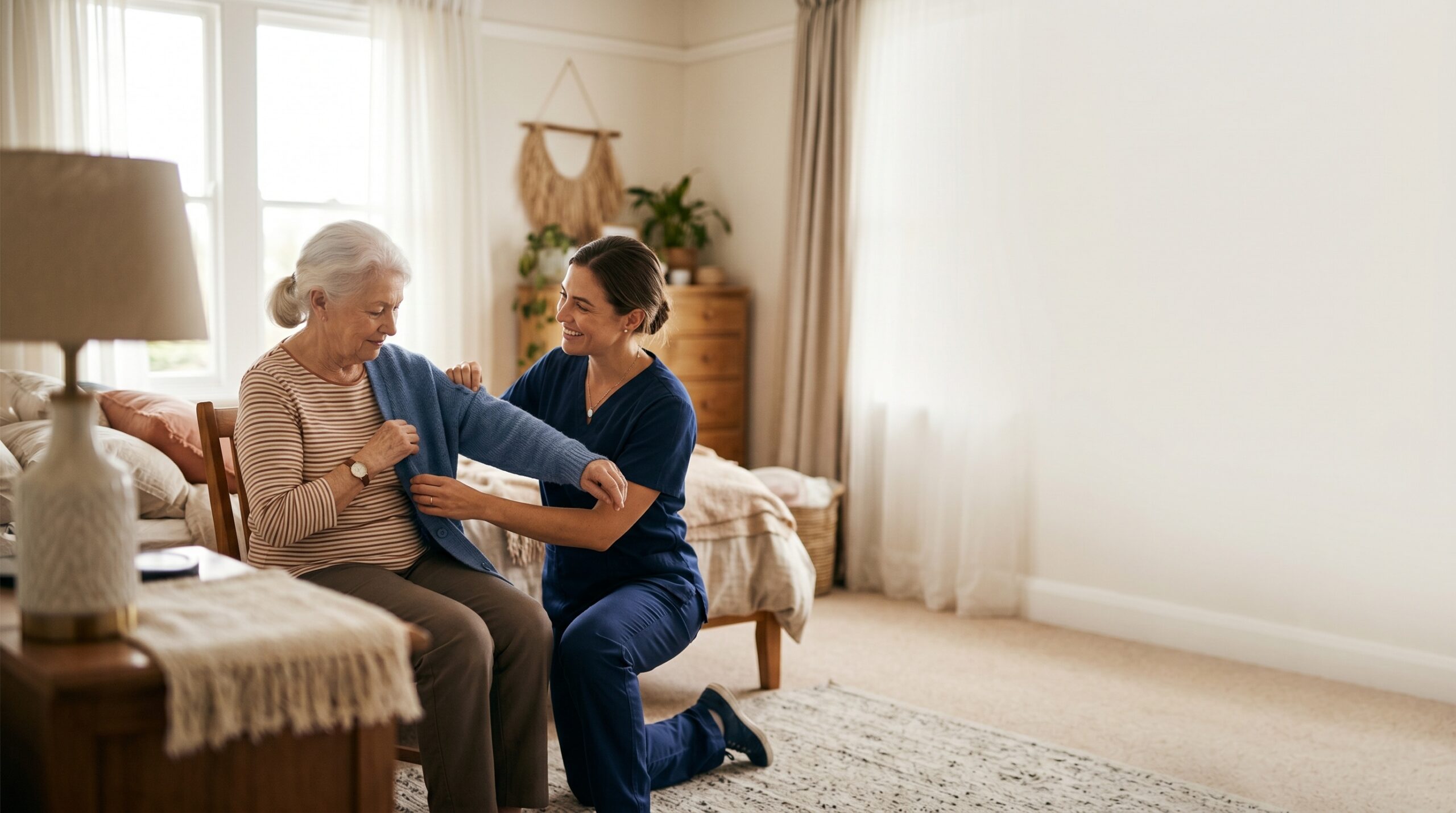
For seniors who require additional support, structured care plays an important role in maintaining mental engagement. Services like personal care help individuals stay active through guided routines that include memory exercises for seniors and daily engagement tasks.
For those needing supervision throughout the nighttime hours, overnight care in Savannah provides continuous support, ensuring stability, safety, and consistent cognitive stimulation.
Respite care services also support families who need temporary relief while ensuring their senior loved ones continue receiving proper care and engagement.
Maintaining cognitive health doesn’t require complex systems. Regular engagement via brain games for seniors, reading, learning new skills, social interaction, and light physical activity can significantly support mental sharpness.
The most effective approach combines brain training games for the elderly, emotional engagement, and physical movement to create long-term cognitive resilience. Consistency is the key to keeping the brain active, adaptable, and healthy throughout aging.
Frequently Asked Questions
What are the best brain exercises for seniors?
+
The best brain exercises include puzzles (crosswords, Sudoku), memory games, reading, learning new skills, and social activities. These boost memory, focus, and overall cognitive function.
What’s the one fruit that may prevent dementia?+
Berries, especially blueberries, are often linked to brain health. They contain antioxidants that may protect brain cells and reduce the risk of cognitive decline.
What should a 70-year-old be doing every day at home?+
A 70-year-old should stay physically active, eat balanced meals, engage in mental activities, maintain social connections, and follow a consistent daily routine for overall wellbeing.
What are the six daily habits to slow brain aging?+
Regular exercise, a healthy diet, high-quality sleep, mental stimulation, social interaction, and stress management are key daily habits that can slow brain aging.
What vitamin cuts dementia risk by 40%?+
Vitamin D is commonly associated with lowering dementia risk, especially when levels are maintained properly. However, it should be taken based on medical advice.
What is the 2 finger test in dementia?+
The 2 finger test is a simple check where a person is asked to follow or recognize two fingers. Difficulty in doing so may indicate issues with attention, coordination, or cognitive function.