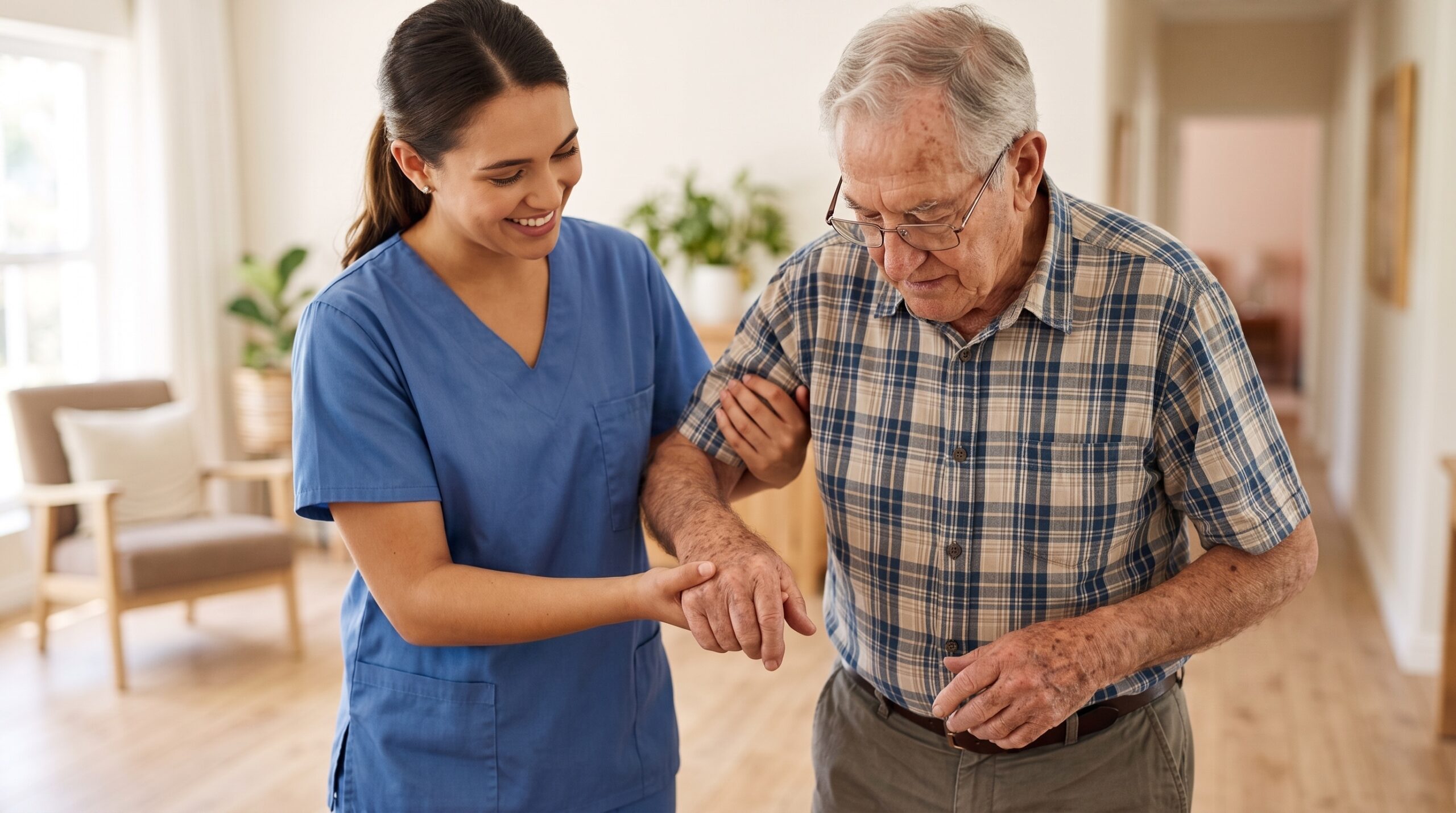
People living with dementia are two to three times more likely to fall than older adults without cognitive impairment, according to the Alzheimer’s Society. Recognizing why these falls happen—and what can be done to prevent them—is essential for caregivers and care teams.
Why Are People with Dementia at Higher Risk for Falling?
Dementia affects the brain regions responsible for balance, spatial awareness, and motor coordination, making falls far more likely. Additional contributing factors include:
- Cognitive decline – Difficulty judging distances, recognizing hazards, or remembering to use mobility aids are common.
- Impaired gait and balance – Changes in walking pattern (shuffling, freezing) are common in later stages.
- Medication side effects – Sedatives, antipsychotics, and some antidepressants can cause dizziness or low blood pressure.
- Vision problems – Reduced contrast sensitivity makes it harder to detect uneven surfaces.
- Behavioral factors – Restlessness, wandering, and agitation increase the chance of falls.
One of the most challenging tasks of helping an elderly relative age in place safely and comfortably is researching agencies that provide home care. Families can turn to Assisting Hands Home Care for reliable, high-quality Savannah home care service for aging adults. We offer 24-hour care for seniors who require extensive assistance, and we also offer respite care for family caregivers who need a break from their caregiving duties.
What Are the Most Common Environmental Hazards that Cause Falls?
The physical environment plays a major role in fall incidents. Common hazards include:
- Poor lighting – Dim hallways and bathrooms that make it harder to detect obstacles
- Loose rugs and cluttered floors – Tripping hazards that are easy to overlook
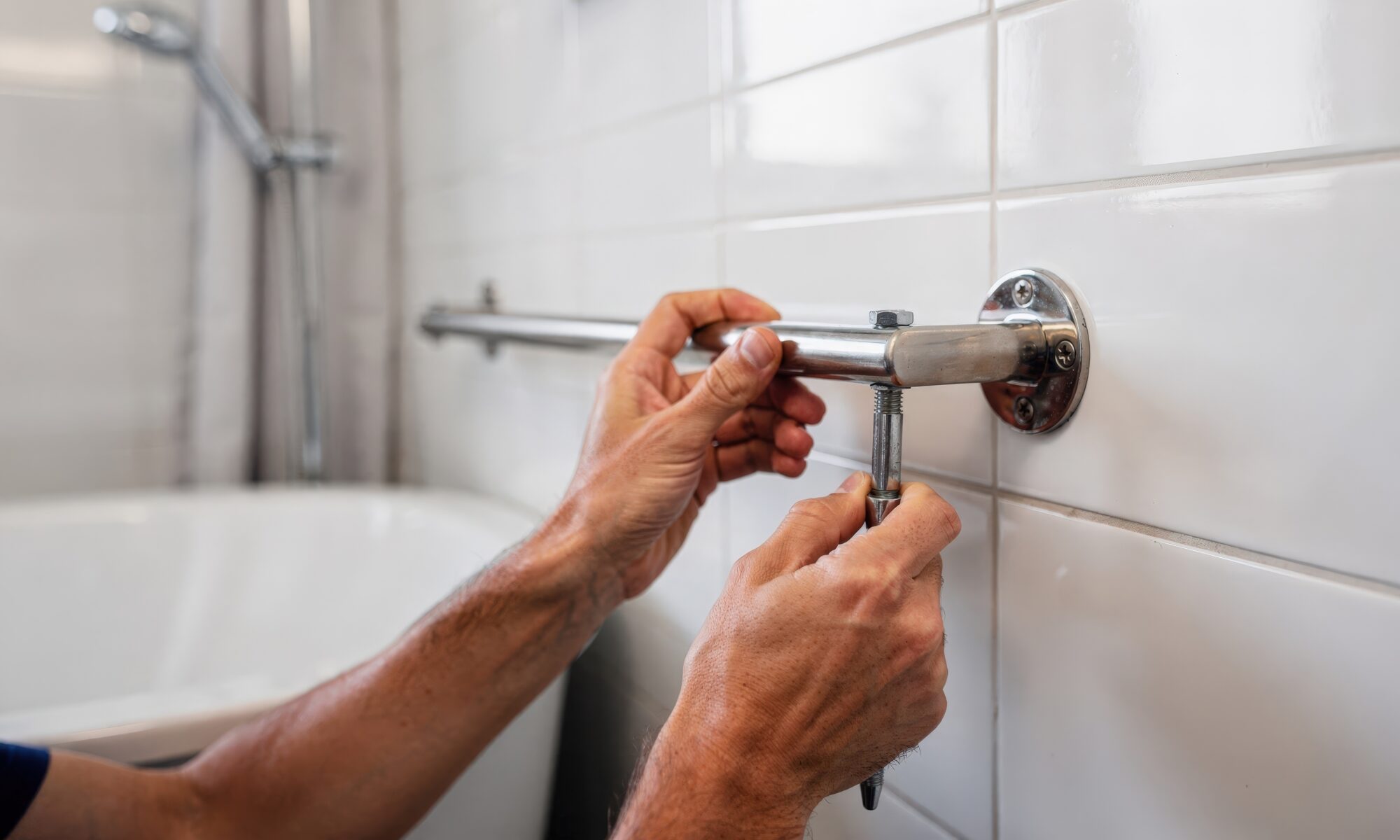
- Lack of grab bars – Especially around toilets, showers, and stairs
- Inappropriate footwear – Slippers without grip or shoes that don’t fit well
- Unfamiliar surroundings – New environments that can disorient someone with dementia, increasing risk
How Can Caregivers Reduce Fall Risks through Environmental Modifications?
Simple changes to the care environment can have a significant impact on fall prevention:
- Install grab bars in bathrooms and along stairways.
- Use nonslip mats in the shower and on hard floors.
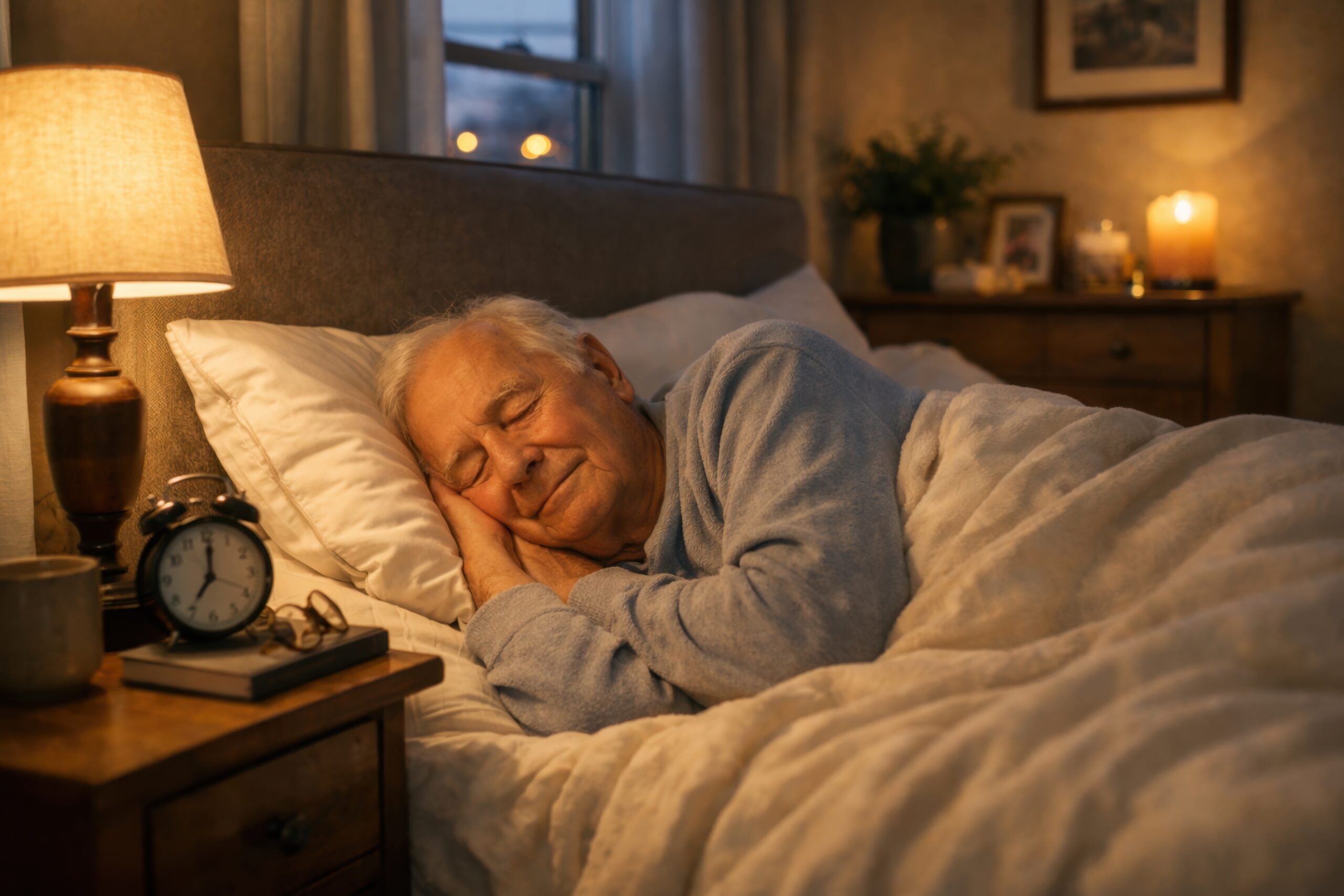
- Ensure all areas are well lit, especially at night (nightlights are highly effective).
- Remove loose rugs, cords, and clutter from walking paths.
- Use contrasting colors on steps and furniture edges to increase visibility.
What Behavioral and Supervision Strategies Can Prevent Falls?
Beyond the physical environment, caregiver practices and routines are critical:
- Structured routines – Consistent daily schedules reduce confusion and anxiety, which can trigger restless behavior.
- Regular supervision – Monitor during high-risk times, such as when waking at night or transitioning between activities.
- Encouraging movement – Supervised gentle exercise programs help seniors maintain strength and balance.
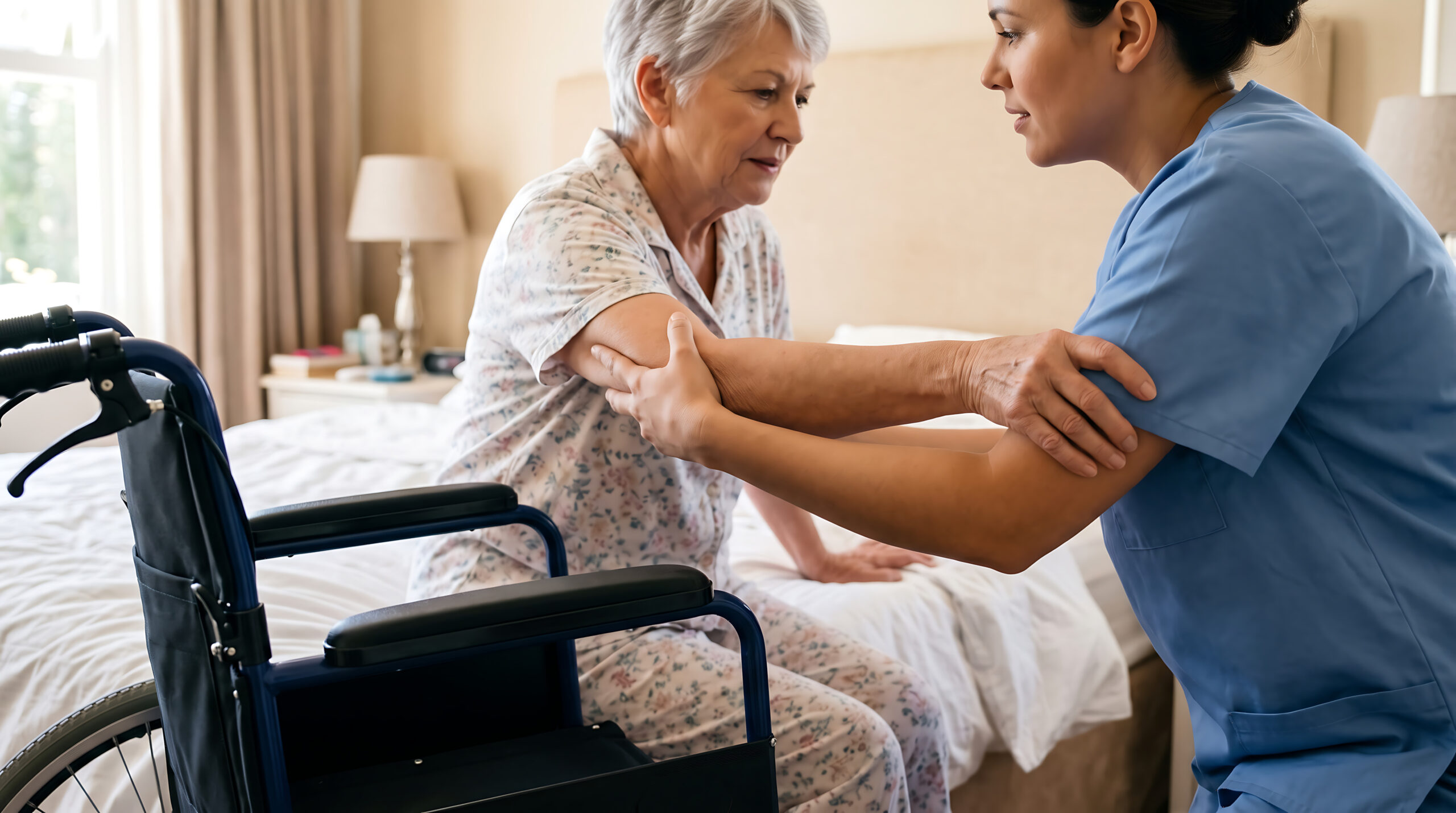
- Using mobility aids correctly – Ensure walkers or canes are properly sized and your loved one knows how to use them.
- Responding to agitation early – Address distress before it leads to unsafe impulsive movement.
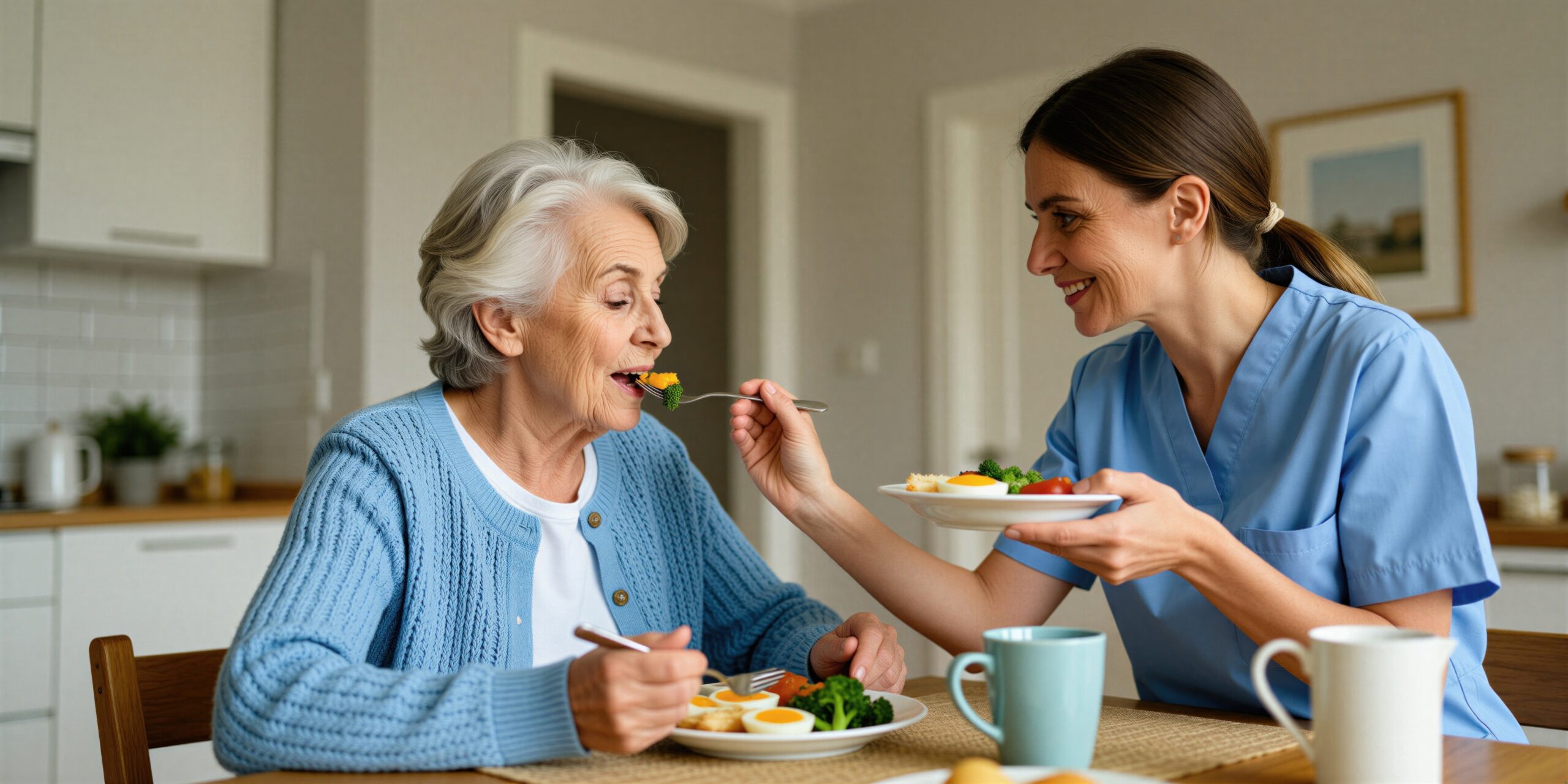
Certain age-related conditions can make it more challenging for seniors to age in place safely and comfortably, but the best 24-hour home care experts are available around the clock to help Savannah seniors manage their health. Whether your loved one is living with dementia or recovering from a stroke, you can trust the professional caregivers from Assisting Hands Home Care to enhance his or her quality of life. At Assisting Hands Home Care, we take measures to help seniors prevent illness and injury by assisting with exercise and mobility, preparing nutritious meals, helping with bathing and other personal hygiene tasks, and much more.
How Can Technology Support Fall Prevention in Dementia Care?
Technology offers practical tools to supplement caregiver supervision:
- Motion sensors and bed alarms – Alert caregivers when their loved ones get up unexpectedly
- Wearable fall detection devices – Automatically notify staff or family members when a fall is detected
- GPS trackers – Locate individuals who wander, reducing the risk of falls in unfamiliar areas
- Video monitoring systems – Allow remote observation, particularly overnight when staffing may be reduced
Caring for seniors with dementia can be challenging for family caregivers. Luckily, there is dementia home care Savannah families can rely on. Professional dementia caregivers help seniors with dementia stay safe and comfortable at home by preventing wandering, providing cognitive stimulation, and assisting with household chores. Rely on the professionals at Assisting Hands Home Care to provide high-quality compassionate care for your loved one. Give us a call today to learn about our flexible in-home care plans.
Frequently Asked Questions
How often do people with dementia fall?
+
Research suggests people living with dementia fall approximately twice as often as other older adults, with many experiencing recurrent falls throughout the course of their condition.
What stage of dementia carries the highest fall risk?
+
Fall risk is present across all stages but increases significantly in the middle and later stages when mobility, balance, and judgment are most affected.
Are fall prevention programs effective for people with dementia?
+
Yes. Structured fall prevention programs that combine environmental modifications, supervised exercise, and caregiver education have been shown to reduce fall rates in dementia care settings.
What role does nutrition and hydration play in fall prevention?
+
Dehydration and poor nutrition can cause dizziness, weakness, and low blood pressure, all of which raise fall risk, making adequate fluid and nutrient intake an important part of overall fall prevention.
Should seniors with dementia use mobility aids if they resist them?
+
Resistance to mobility aids is common in dementia care. Caregivers can try introducing aids gradually, framing them positively, and ensuring the devices are comfortable and correctly fitted to encourage acceptance.