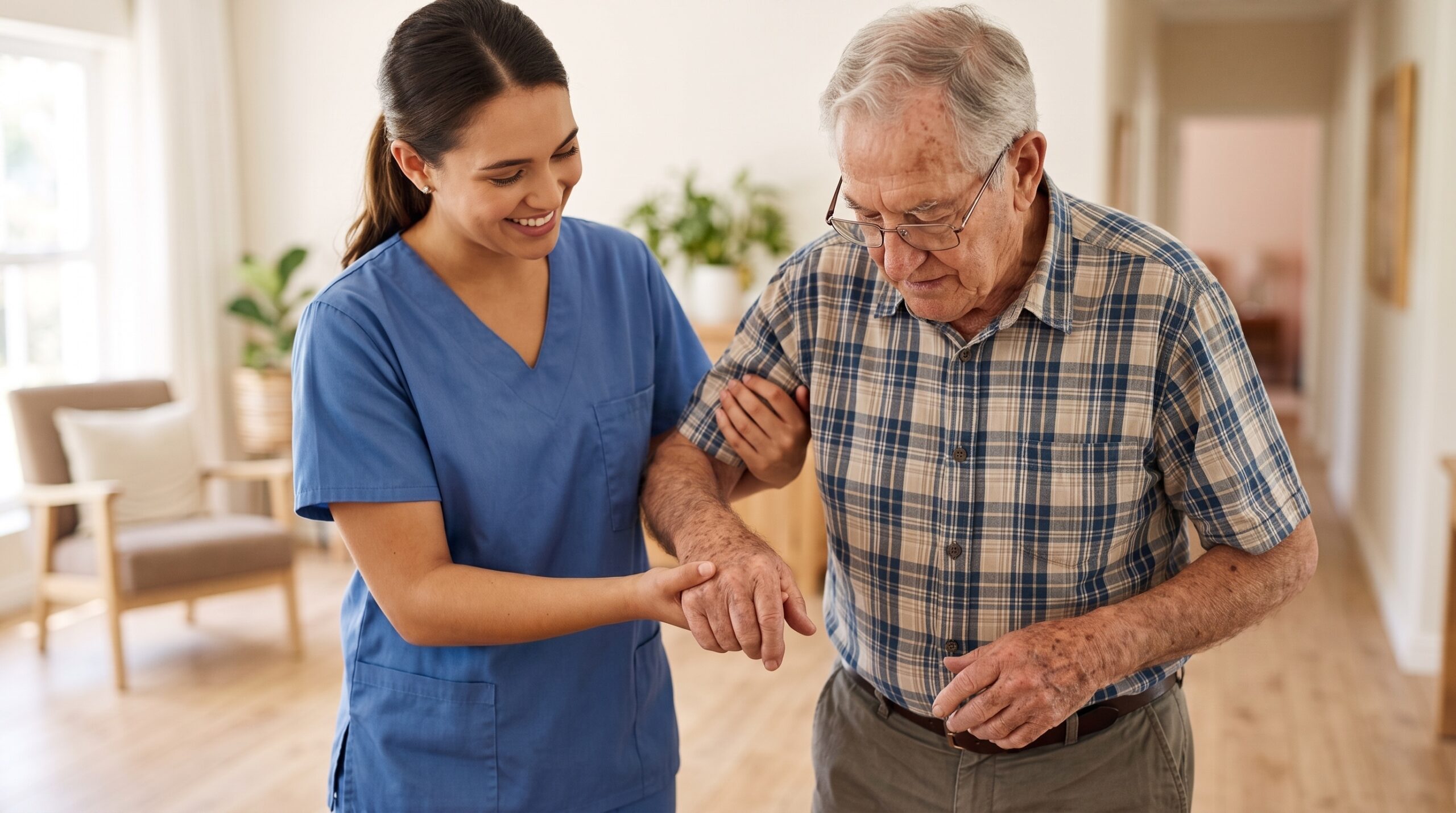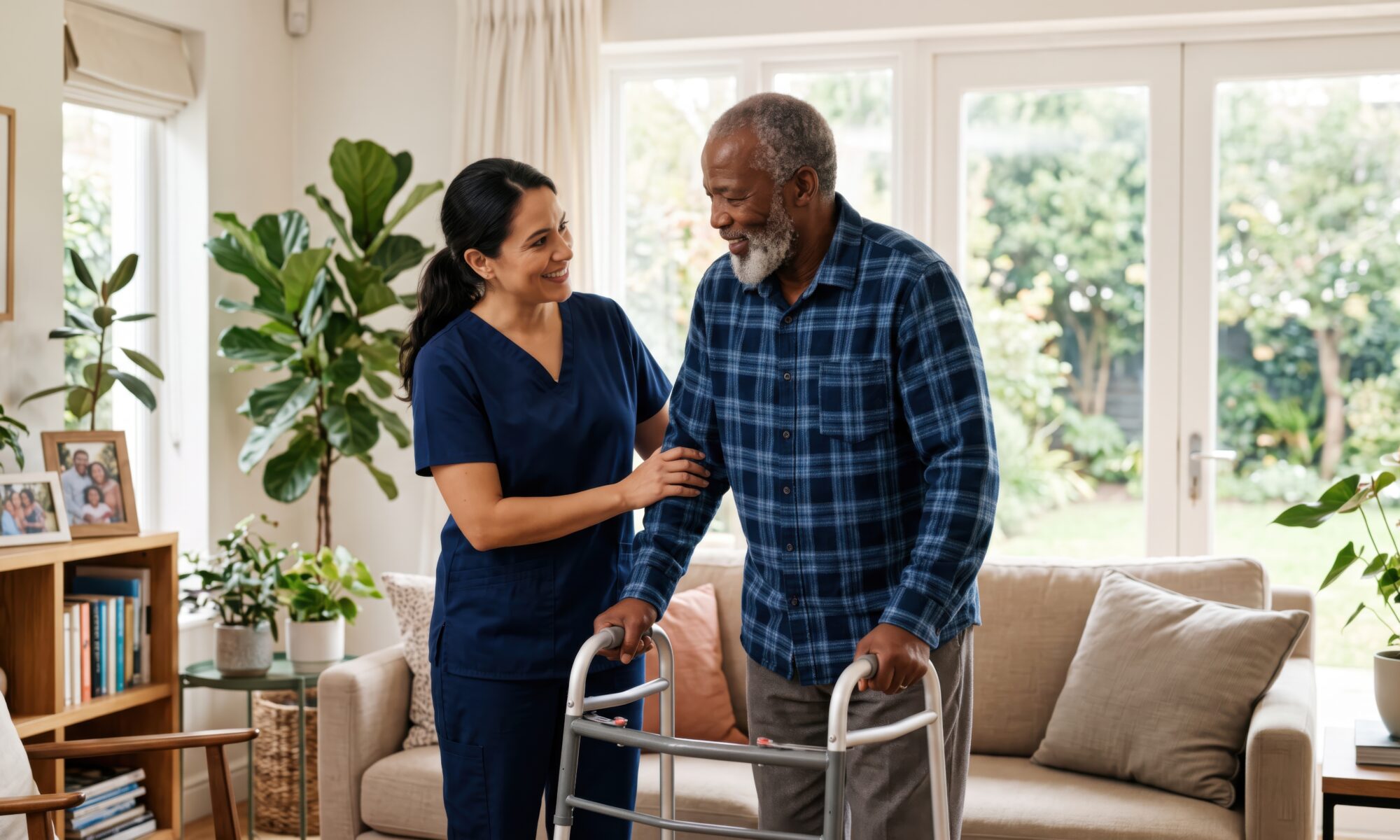
Empathy training in modern in-home care certification equips caregivers with the emotional intelligence necessary to build deep, trusting relationships with clients. By understanding and sharing the feelings of those they support, professionals can significantly enhance overall wellbeing and daily experiences for care recipients.
Why Is Empathy Important in Daily Caregiving?
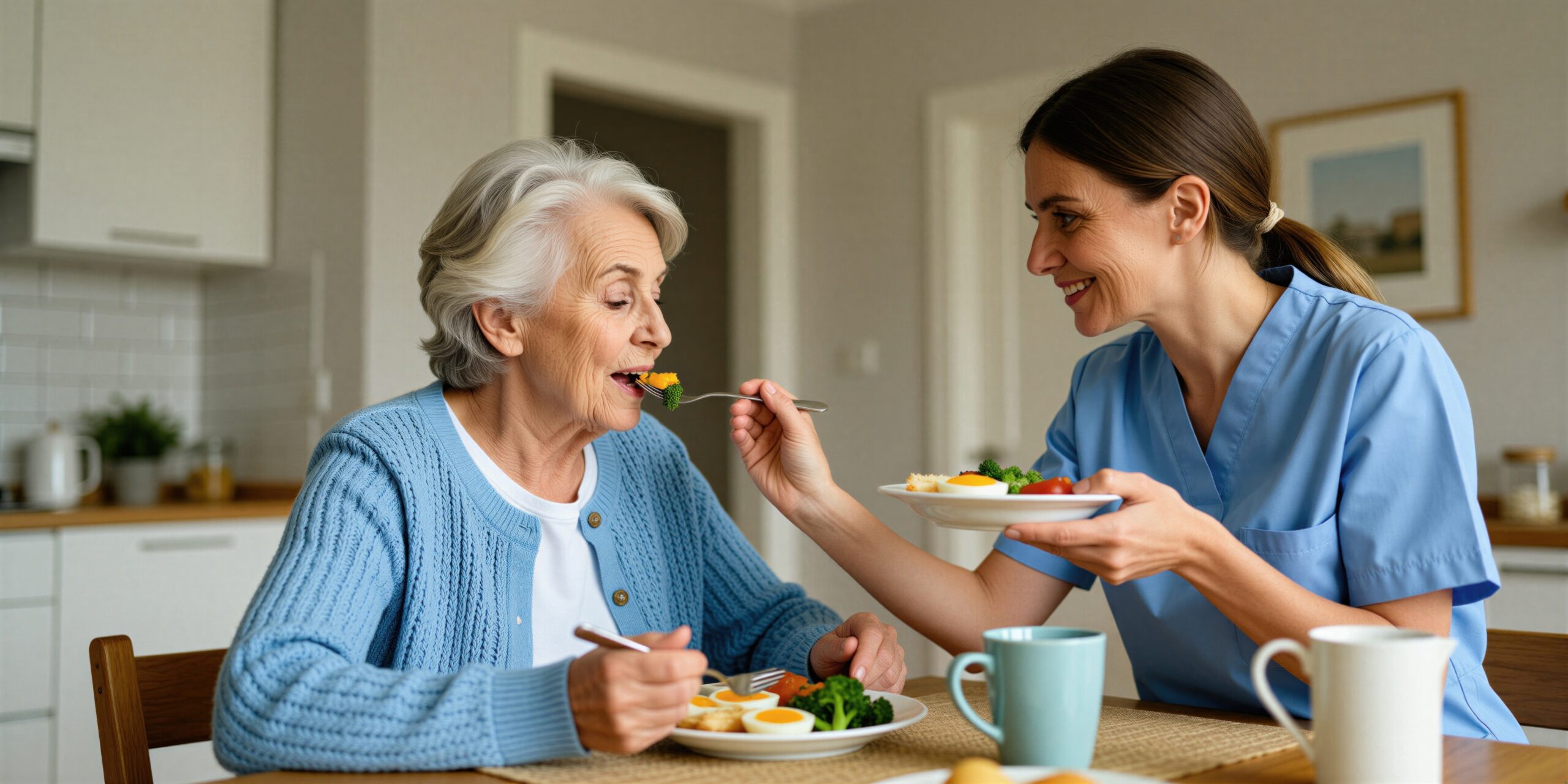
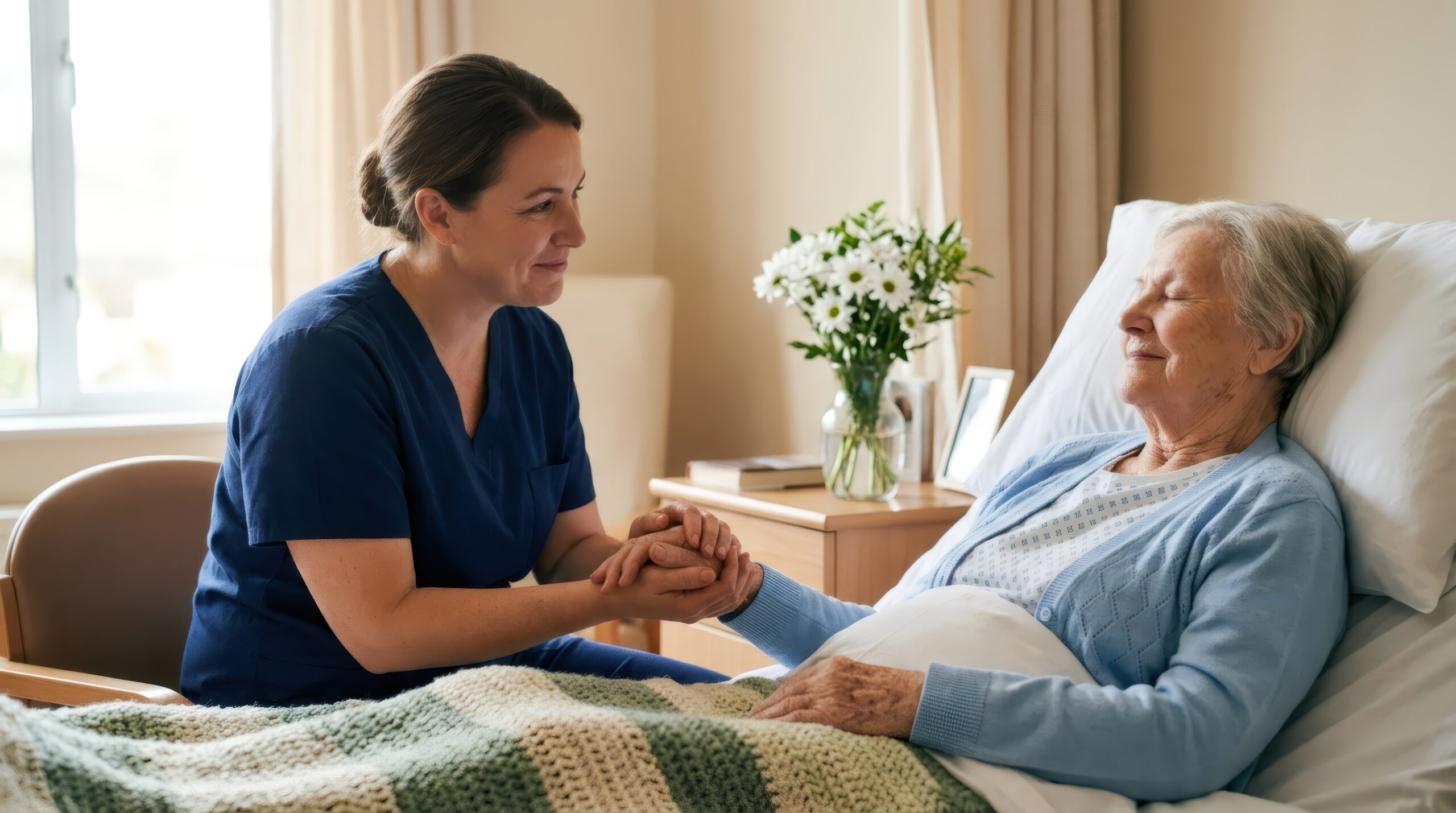
Empathy allows caregivers to connect with clients on a profound human level, addressing emotional needs alongside daily comfort. When professionals put themselves in their clients’ shoes, they actively reduce feelings of isolation and frustration. This compassionate approach fosters a supportive environment where individuals feel safe, respected, and truly heard.
When researching agencies that provide at-home care for Savannah seniors, families are usually looking for flexible care plans, compassionate and highly trained caregivers, and 24/7 availability. Whether you need respite care to take a break from your caregiving duties or your senior loved one needs around-the-clock assistance at home, you can rely on Assisting Hands Home Care.
How Does Empathy Training Enhance Communication Skills?
Active listening and nonverbal cue recognition are core components of empathy training that directly enhance communication. Caregivers learn to interpret subtle changes in a client’s mood or comfort level, allowing them to respond appropriately.
- Better resolution of everyday conflicts and misunderstandings
- Increased ability to read body language and facial expressions
- More meaningful daily conversations that validate the client’s feelings
What Are the Benefits for the Caregiver?
Training programs that focus on emotional intelligence prevent professional burnout and compassion fatigue. By developing healthy emotional boundaries and coping strategies, caregivers experience higher job satisfaction. Understanding a client’s perspective also makes the daily routine less stressful and significantly more rewarding.
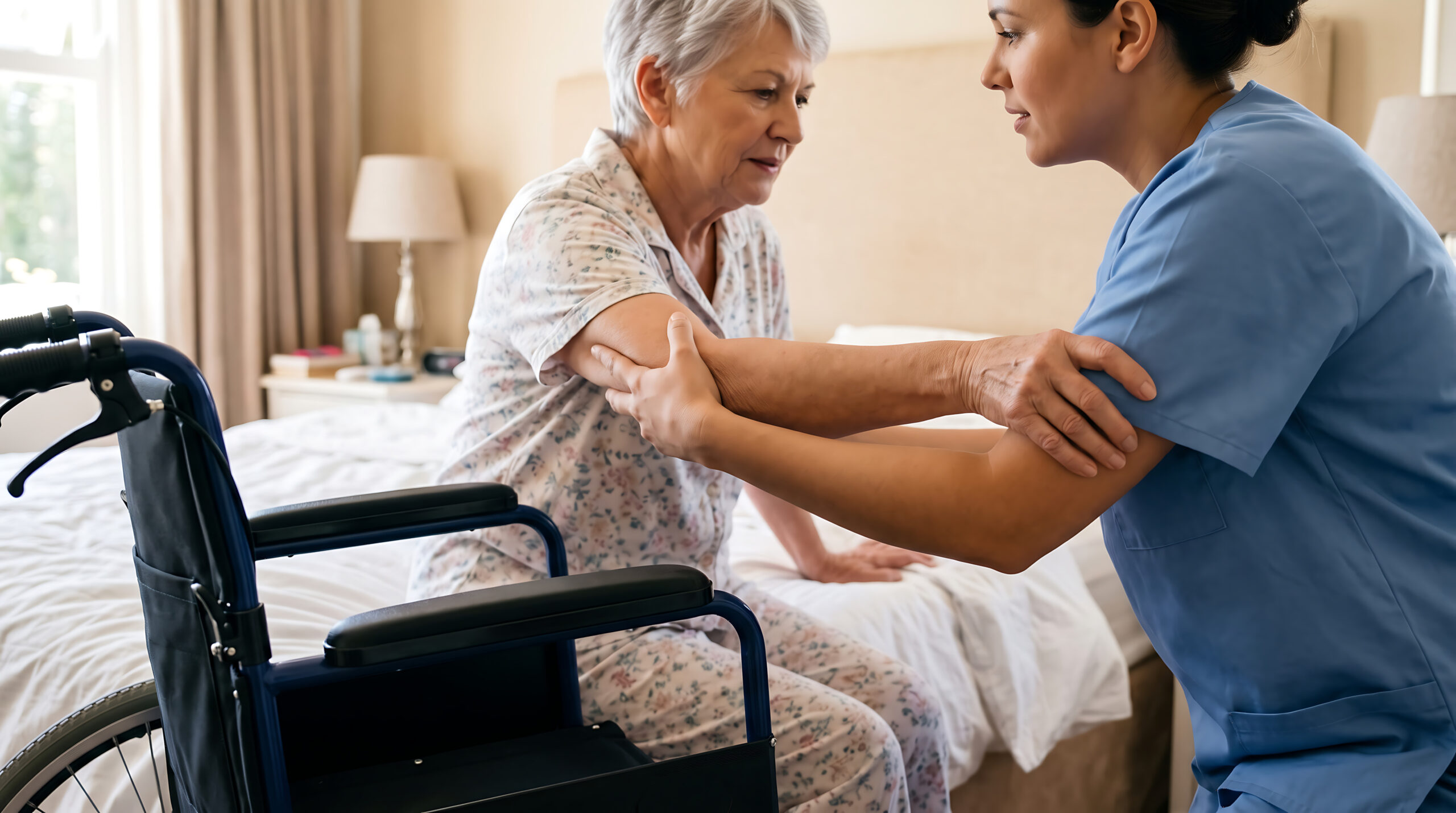
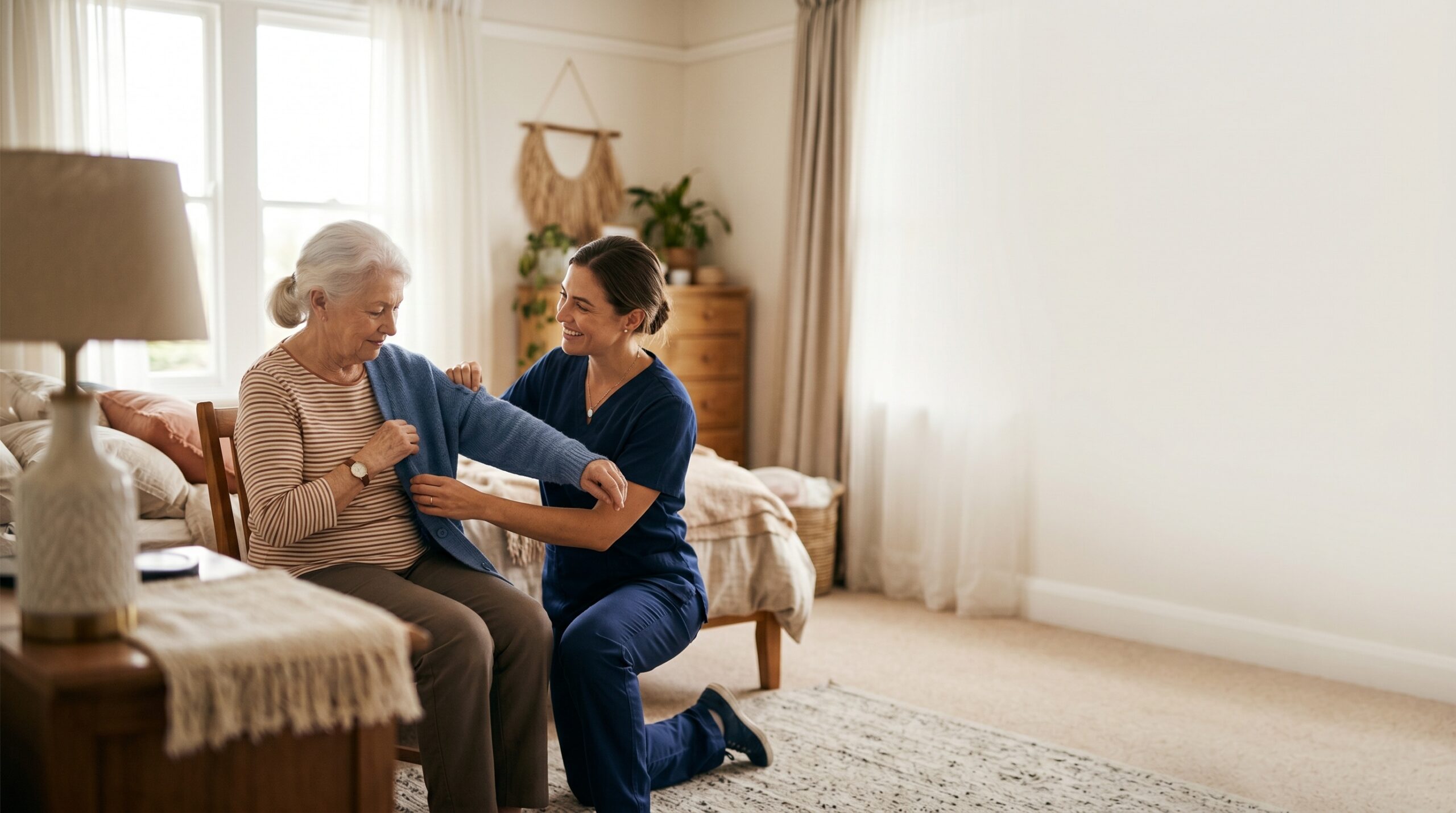
If you’re the primary caregiver for a senior family member and you need respite or overnight home care in Savannah or a nearby community, Assisting Hands Home Care is here to help. Our dedicated, compassionate caregivers are trained to assist older adults with a wide variety of everyday tasks, including meal prep, physical activity, and personal hygiene. We also provide 24-hour care and specialized care for seniors with Alzheimer’s, dementia, and Parkinson’s.
How Is Empathy Integrated into Certification Programs?
Modern certification pathways incorporate role-playing scenarios, psychological education, and communication workshops to build empathetic skills. Students must demonstrate competency in emotional support and active listening before receiving their credentials. This ensures graduates are emotionally prepared for the unique demands of in-home care environments.
Aging in place can present a few unique challenges for older adults in southeastern Georgia. Some only require part-time assistance with exercise or meal preparation, while others are living with serious illnesses and benefit more significantly from receiving Savannah 24-hour home care. Assisting Hands Home Care are leaders in the elderly in-home care industry for good reason. We tailor our care plans based on each senior’s individual needs, our caregivers continue to receive updated training in senior care as new developments arise, and we also offer comprehensive care for seniors with Alzheimer’s, dementia, and Parkinson’s. To create a customized home care plan for your loved one, call Assisting Hands Home Care today.
Frequently Asked Questions
Can empathy really be taught to caregivers?
+
Yes, while some people are naturally empathetic, training programs can successfully teach active listening and perspective taking to enhance a caregiver’s emotional intelligence.
How long does empathy training usually take?
+
The duration varies by certification program, but it’s typically woven continuously throughout the coursework rather than isolated to a single day.
Does emotional intelligence increase client satisfaction?
+
Absolutely. Clients consistently report feeling much happier and more secure when their caregivers demonstrate genuine understanding and compassion.
Are there specific exercises used in these training programs?
+
Yes, certification courses frequently use role-playing, group discussions, and reflective journaling to help students practice and refine empathetic responses.