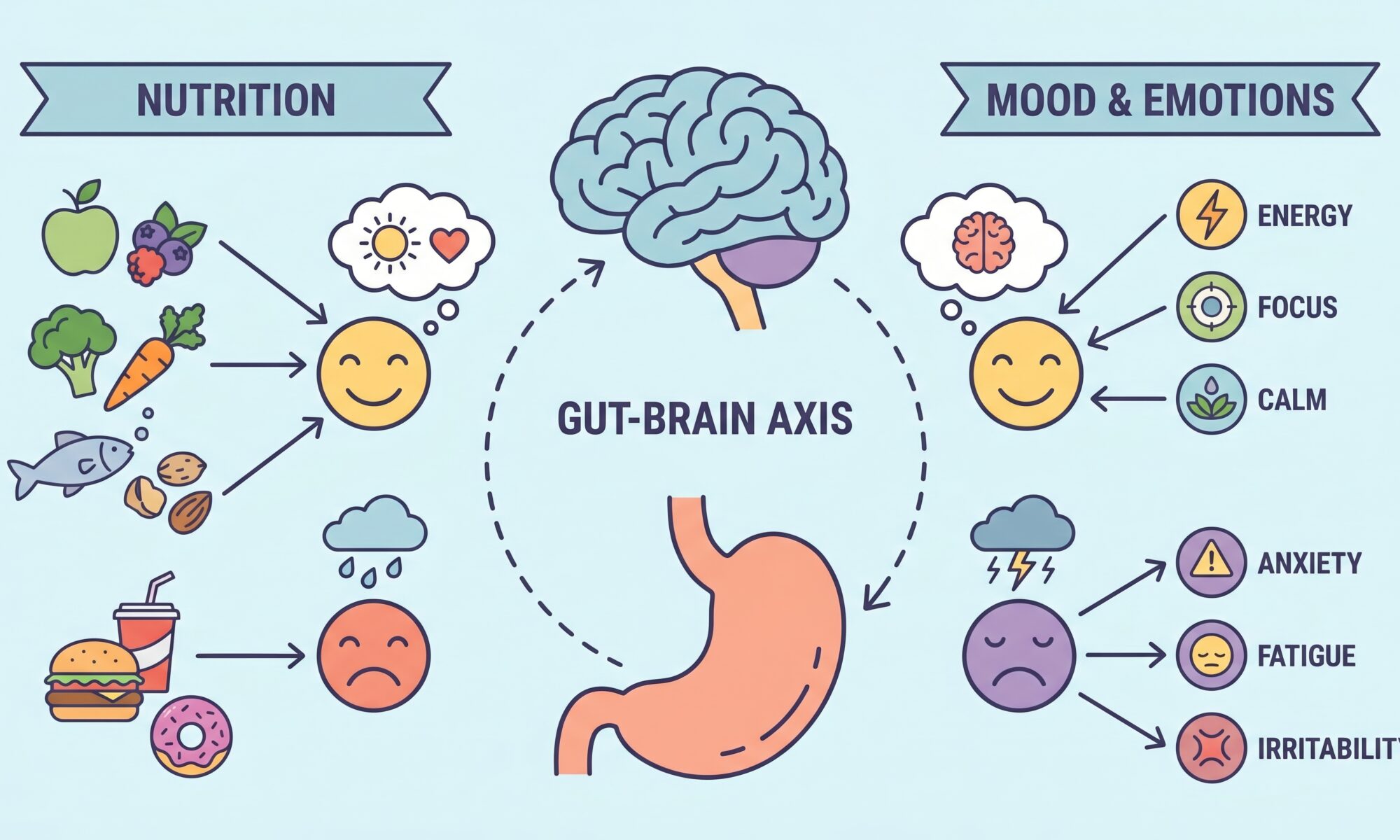
The gut-brain axis acts as a direct communication line where dietary choices influence microbiome health, thereby impacting cognitive function and potentially slowing dementia progression. As researchers map this complex biological network, targeted nutritional strategies are emerging as powerful tools for maintaining brain health. Understanding this connection offers a proactive approach to supporting cognitive longevity through everyday food choices.
What Is the Gut-Brain Axis?
The gut-brain axis is a bidirectional communication network linking the central nervous system with the enteric nervous system of the gastrointestinal tract. This connection operates through neural, hormonal, and immune pathways, allowing the brain to influence intestinal activities and the gut to send vital signals back to the brain.
How Does Gut Health Impact Dementia?
An imbalance in gut bacteria can trigger systemic inflammation, which is a known contributing factor to the neurodegeneration seen in dementia.
- Inflammatory markers – Harmful gut bacteria produce toxins that can cross the intestinal barrier, promoting inflammation that eventually reaches the brain.
- Neurotransmitter production – The gut microbiome manufactures essential brain chemicals, including serotonin and dopamine, which regulate mood and cognition.
- Amyloid plaque formation – Certain gut microbes may influence the accumulation of amyloid-beta proteins, a hallmark characteristic of Alzheimer’s disease.
Which Dietary Interventions Support Cognitive Function?
Specific eating patterns can foster a healthy microbiome, directly benefiting cognitive health and offering protective effects against cognitive decline.
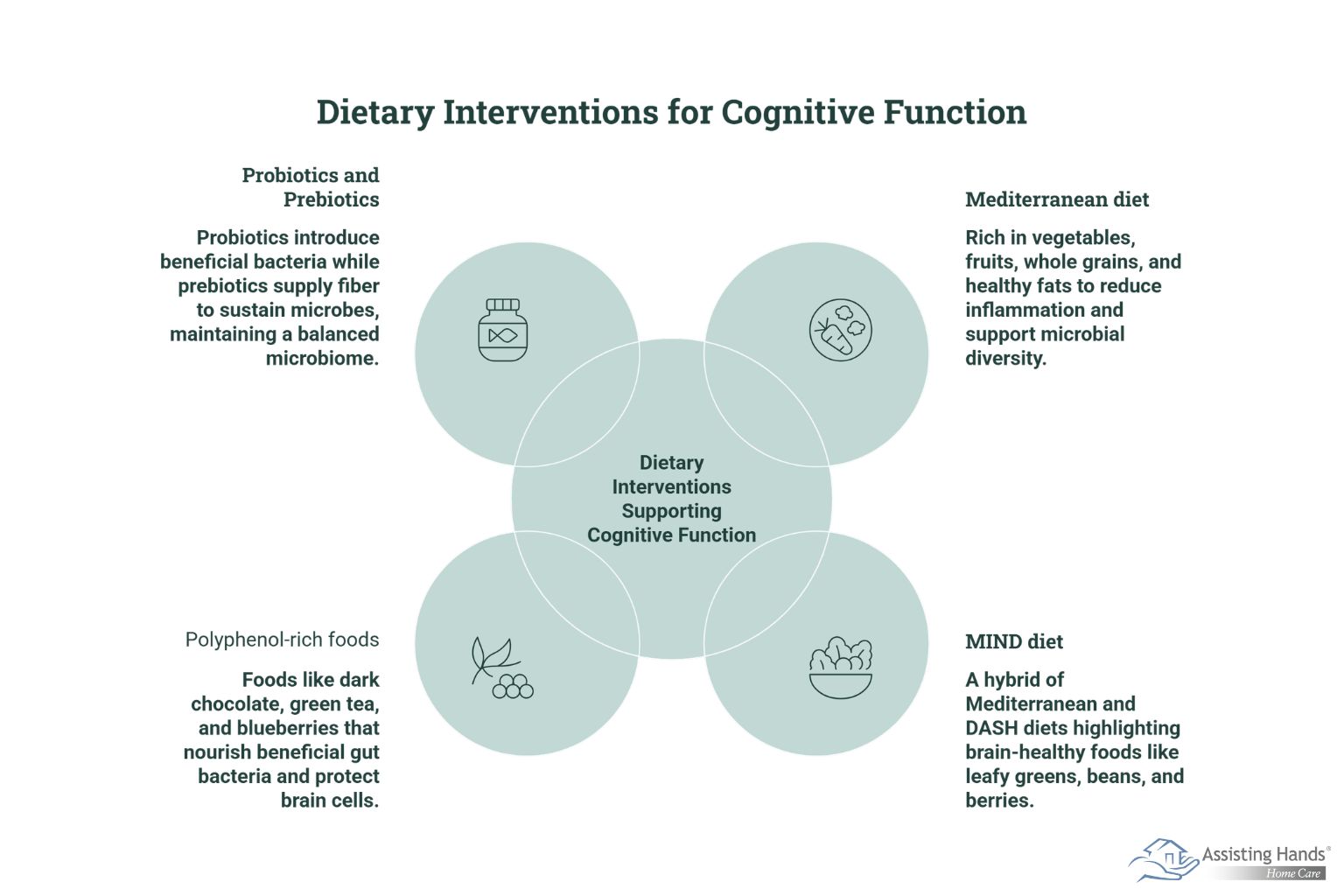
- Mediterranean diet – Rich in vegetables, fruits, whole grains, and healthy fats, this eating pattern reduces inflammation and supports microbial diversity.
- MIND diet – A hybrid of the Mediterranean and DASH diets, it specifically highlights brain-healthy foods like leafy greens, beans, and berries.
- Polyphenol-rich foods – Foods like dark chocolate, green tea, and blueberries contain compounds that nourish beneficial gut bacteria and protect brain cells from oxidative stress.
Not every southeastern Georgia senior has the same care needs, which means they don’t all need the same type of Savannah elder care. Families can rely on Assisting Hands Home Care to provide individualized care plans to meet their elderly loved ones’ unique care needs. Our caregivers help seniors focus on healthy lifestyle habits such as eating nutritious foods, exercising regularly, and maintaining strong social ties, and we offer mentally stimulating activities that can boost cognitive health and delay the progress of dementia.
Why Are Probiotics and Prebiotics Important?
Probiotics introduce beneficial bacteria directly into the digestive system, while prebiotics supply the necessary fiber to feed and sustain these helpful microbes. Together, they maintain a balanced microbiome, which strengthens the intestinal barrier and reduces the neuroinflammation associated with cognitive decline. Consuming a mix of fermented foods like kefir or kimchi alongside fibrous foods like garlic and oats creates an optimal environment for brain-boosting gut flora to thrive.
The responsibilities that come with caring for a loved one with dementia can sometimes feel overwhelming, but help is available. If you’re the primary family caregiver for an elderly loved one, 24-hour home care for Savannah seniors is available around the clock if your loved one’s health has become too difficult to manage without professional expertise. At Assisting Hands Home Care, we take measures to help seniors prevent illness and injury by assisting with exercise and mobility, preparing nutritious meals, helping with bathing and other personal hygiene tasks, and much more.
Aging in place can present a few challenges for seniors living with dementia. However, with professional dementia home care that offers Savannah families peace of mind, they can still live independently at home. Families can rely on Assisting Hands Home Care to provide their elderly loved ones with mental and social stimulation, timely medication reminders, assistance with meal prep, and much more. Our caregivers are available around the clock to help your loved one live a happier and healthier life. Call us today to learn about our comprehensive in-home care plans.
Frequently Asked Questions
What are the best foods for the gut-brain axis?
+
High-fiber vegetables, fermented foods, and omega-3 fatty acids are excellent choices for nourishing this connection. These foods promote a diverse microbiome and reduce systemic inflammation throughout the body.
Can diet reverse dementia?+
Dietary interventions cannot reverse dementia, but they can support overall brain health and potentially slow the rate of cognitive decline. Proper nutrition acts as a protective measure to optimize remaining cognitive function.
How quickly does diet affect the gut microbiome?+
The gut microbiome can respond to significant dietary changes in as little as a few days. However, maintaining long-term cognitive benefits requires consistent ongoing nutritional habits.
Are fermented foods necessary for brain health?+
While not strictly necessary, fermented foods provide a natural source of probiotics that significantly enhance gut microbial diversity. This diversity is strongly linked to better cognitive outcomes and reduced neuroinflammation.