Caring for a senior loved one at home is both emotional and practical. Savannah families often search for the right kind of support but get confused between two terms that sound similar: personal care and home health care. Even though both services take place inside the home, they’re structured very differently, delivered by different professionals, and meant for different kinds of needs. Understanding these differences makes it easier for families to choose the right path, and many turn to trusted Home Care Savannah providers to keep their senior loved ones safe, independent, and comfortable.
What Is Home Health Care? (Doctor-Directed Skilled Medical Care at Home)
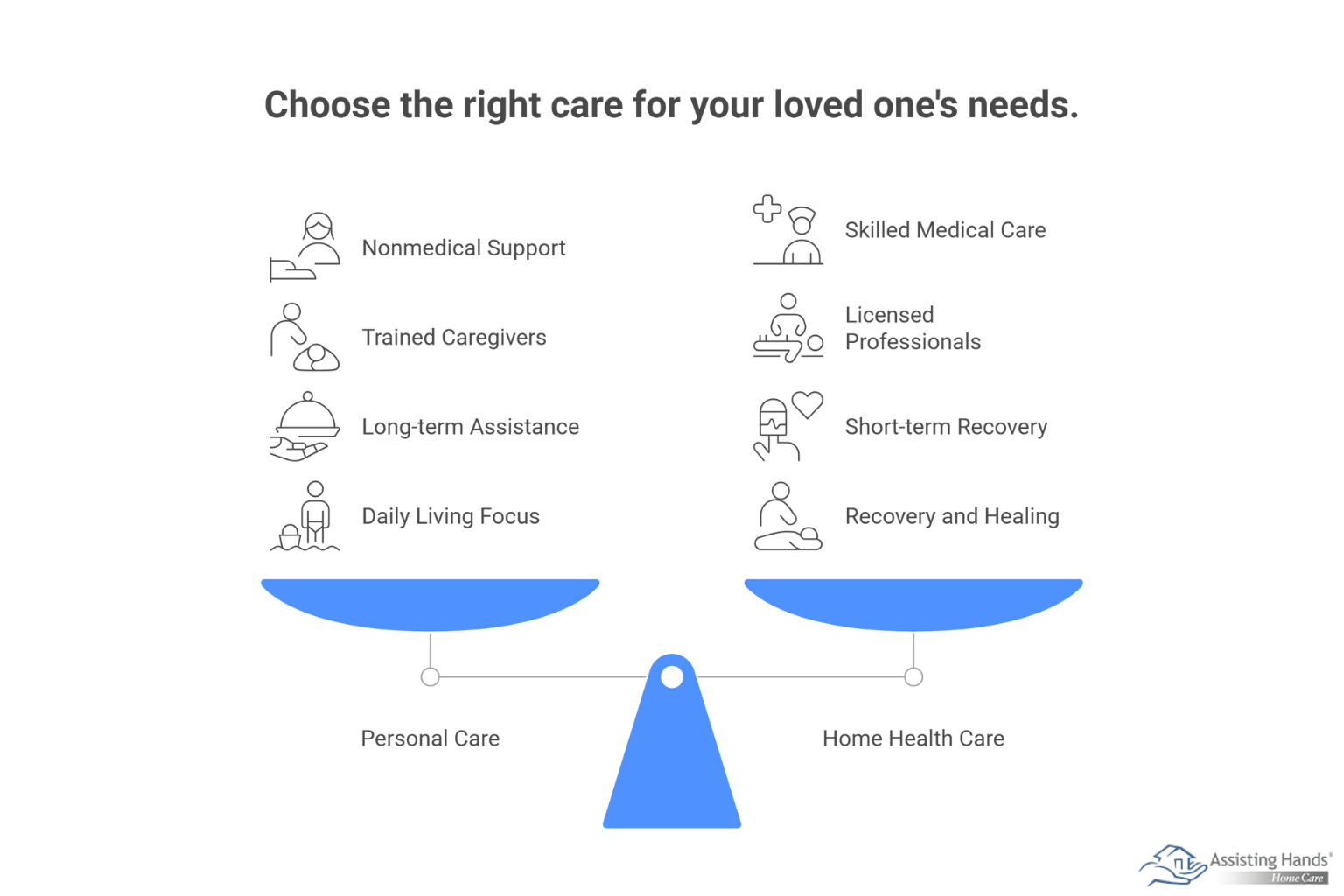
Although these services sometimes overlap in timing, their purpose and structure are entirely different. Home health care is medical, goal-driven, and time-limited. Personal care is a part of home care services and involves a nonmedical, ongoing, and focused approach to assisting with daily life. Home health care requires a doctor’s prescription because it involves clinical treatment, while personal care and other home care services are requested directly by families to support everyday life. Another major difference is the type of professionals involved: home health care uses licensed nurses and therapists, whereas home care and personal care use trained caregivers who specialize in assistance rather than clinical procedures.
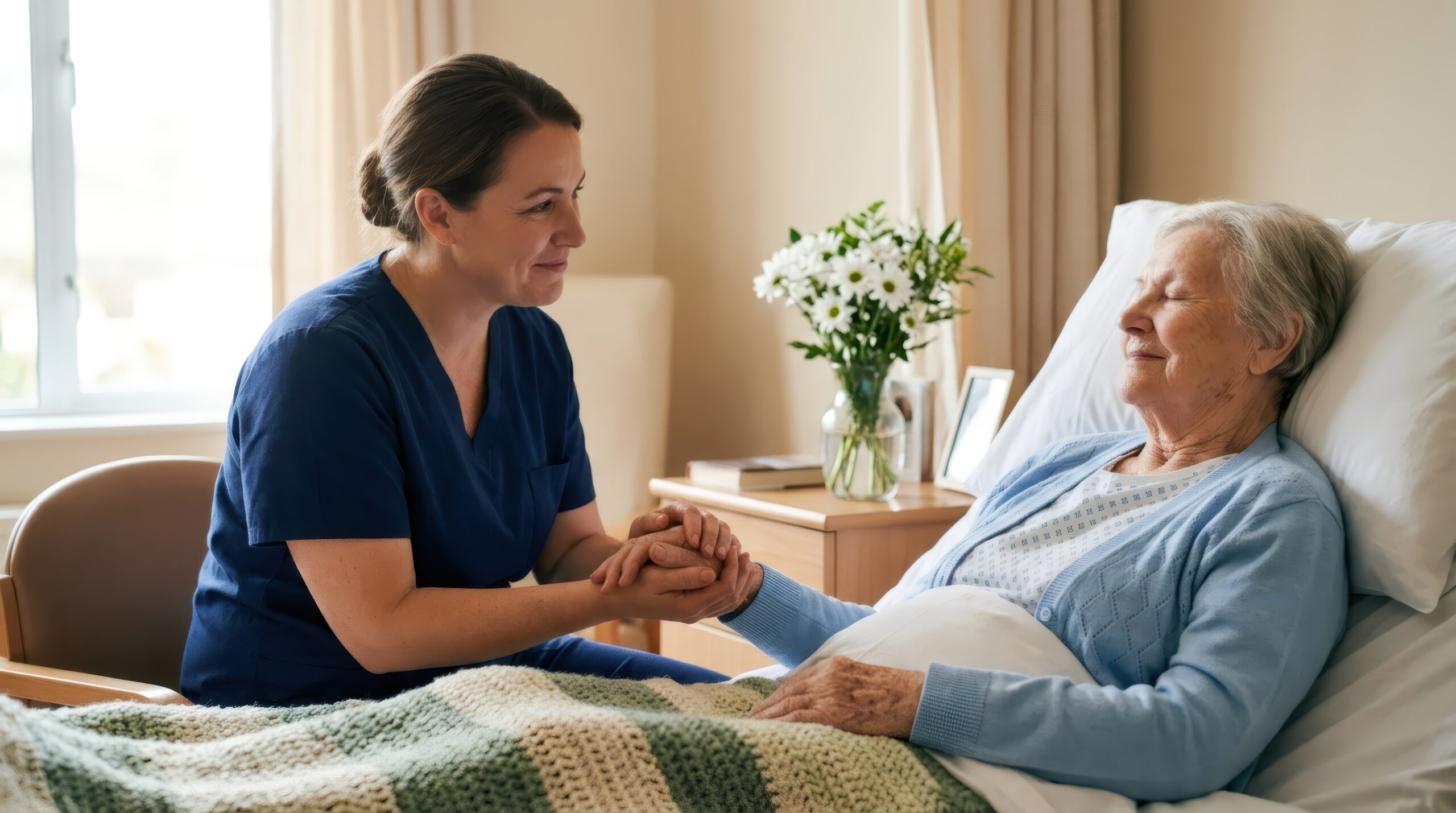
Home health care becomes especially crucial for adults who are need help with wound healing, medication management, chronic illnesses like COPD or heart failure, or mobility challenges after surgery. When a senior returns home from the hospital, a doctor may prescribe home care to ensure the senior doesn’t experience complications or readmissions. The involvement of licensed clinicians ensures accurate monitoring, early detection of new symptoms, and professional guidance that families cannot provide on their own.
What Is Personal Care? (Daily Living Support at Home)
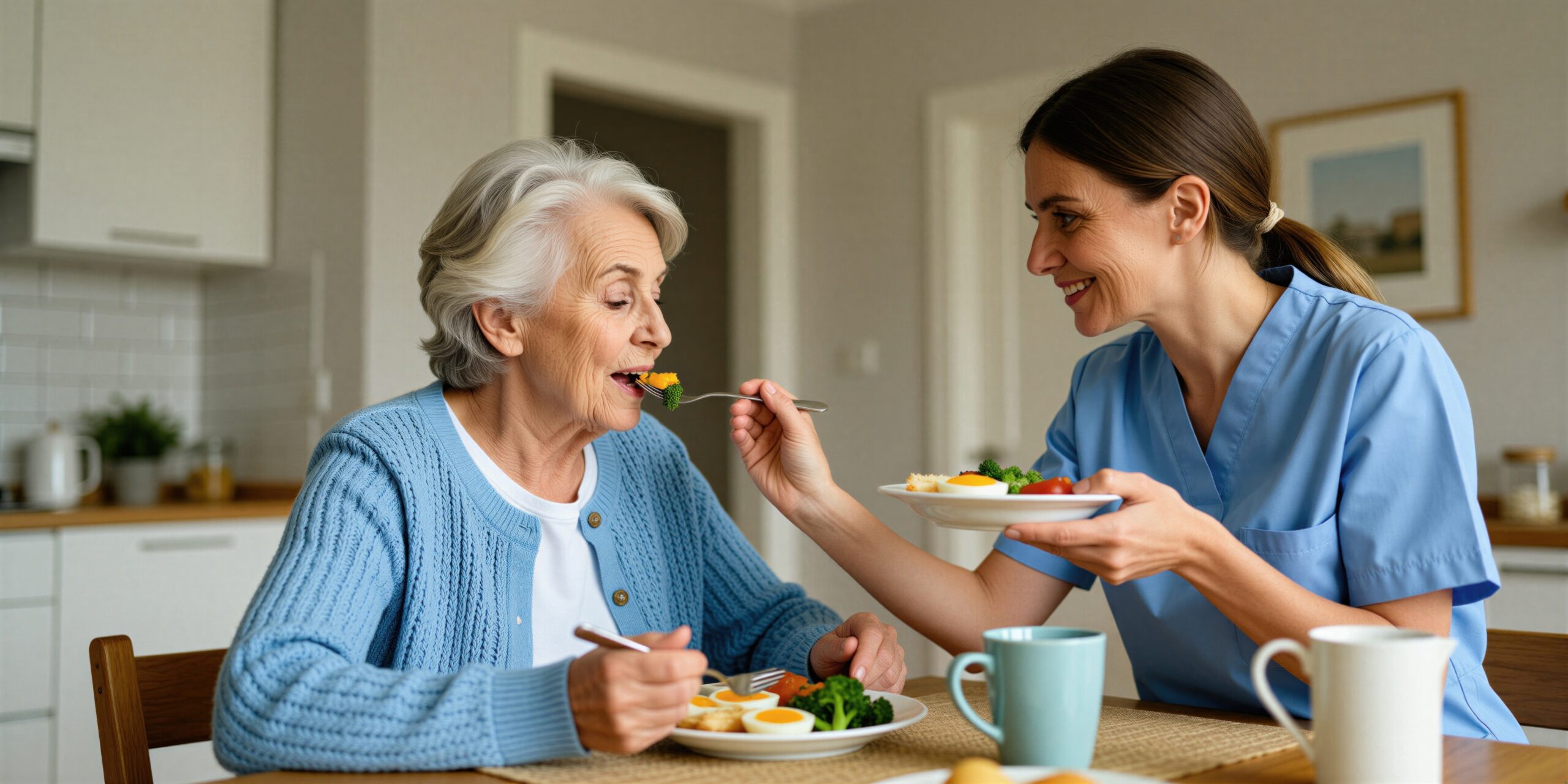
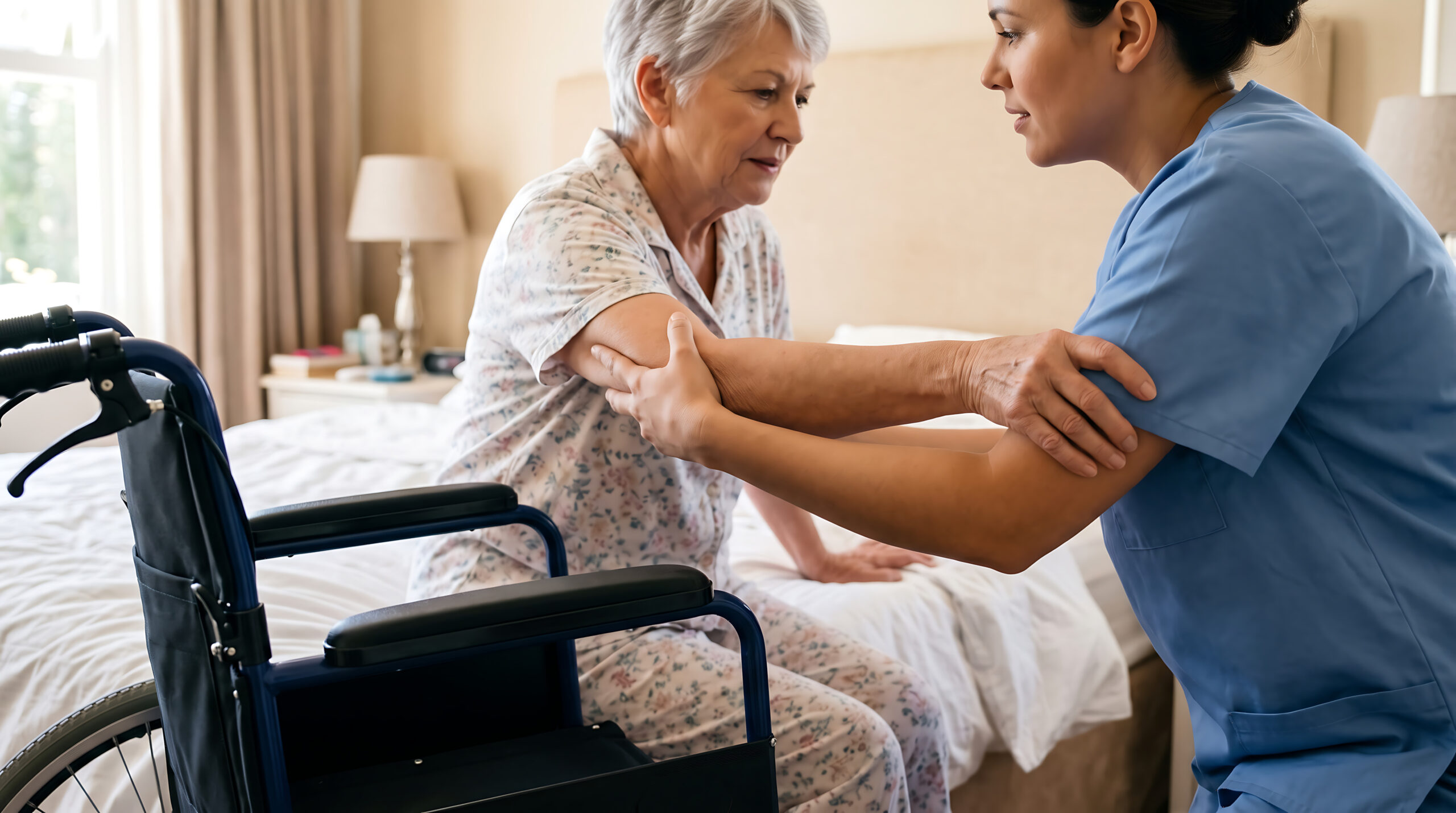
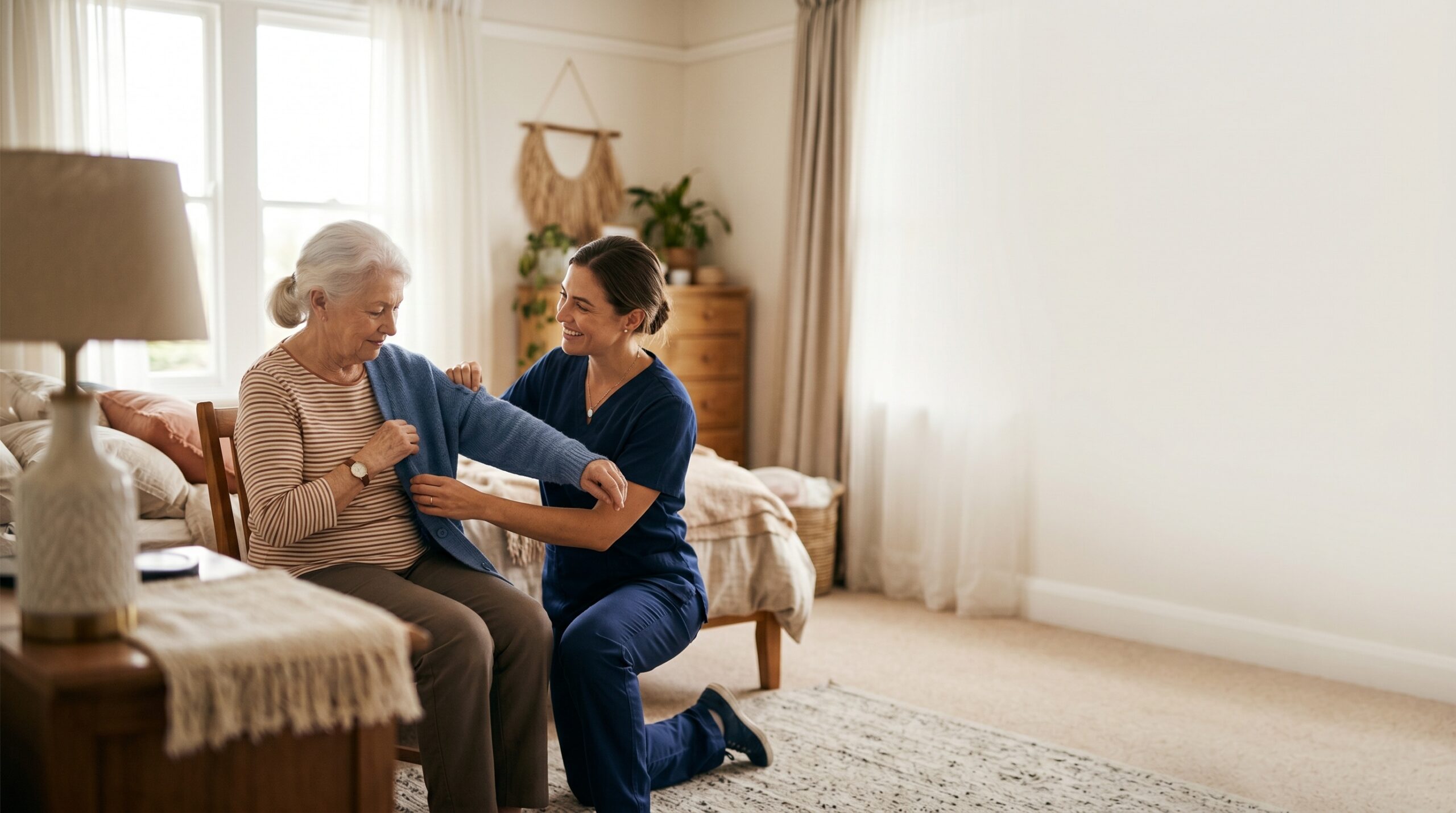
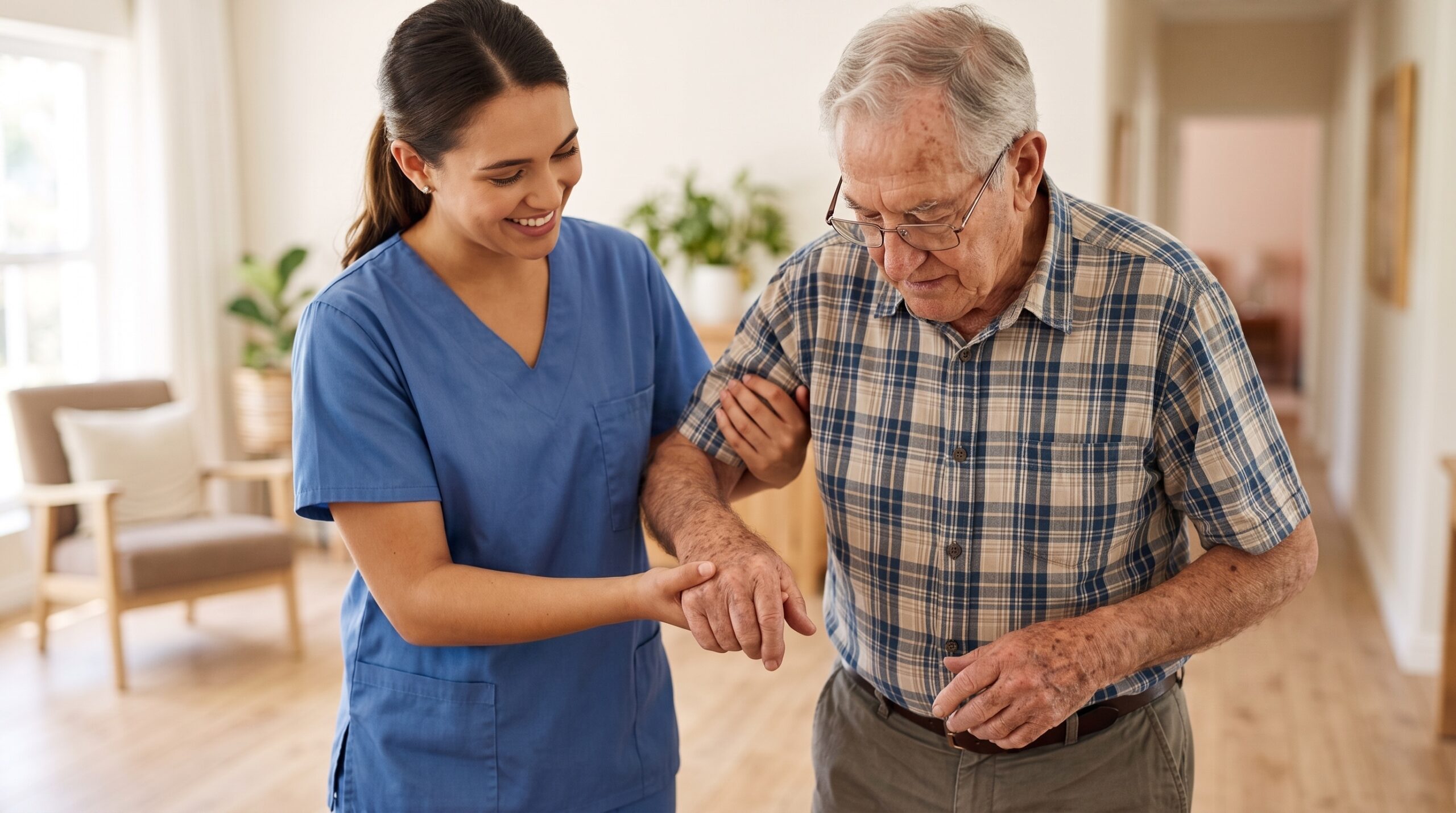
Personal care is completely different from home health care because it’s non-medical. It focuses on helping seniors with the tasks of everyday life—bathing, grooming, dressing, toileting, meal preparation, mobility support, and emotional companionship. Personal care is often needed long-term, not because of an illness but because aging naturally reduces a person’s strength, balance, and ability to manage routine activities safely. Families often seek this service when their loved one begins forgetting meals, having difficulty showering alone, feeling isolated, or becoming unsteady while walking.
Personal care is provided by trained caregivers or aides who understand how to keep seniors comfortable, engaged, and safe in their day-to-day environment. They may not perform medical procedures, but they play one of the most important roles in senior wellbeing, ensuring dignity, independence, and emotional support. For many families, personal care prevents burnout and allows seniors to remain in their own homes for as long as possible.
Core Differences between Personal Care & Home Health Care
Although these services sometimes overlap in timing, their purpose and structure are entirely different. Home health care is medical, goal-driven, and time-limited. Personal care is nonmedical, ongoing, and focused on daily life. Home health care requires a doctor’s prescription because it involves clinical treatment, while personal care is requested directly by families because it addresses comfort, routine, safety, and emotional needs. Another major difference is the type of professionals involved: home health care uses licensed nurses and therapists, whereas personal care uses trained caregivers who specialize in assistance rather than clinical procedures.
The scope of service also varies. Home health care focuses on recovery—increasing mobility, managing chronic symptoms, and preventing complications. Personal care focuses on living—making everyday tasks manageable and enjoyable. One service helps seniors heal, while the other helps them function.
Comparison Table: Personal Care vs. Home Health Care in Savannah
| Category | Personal Care | Home Health Care |
| Type of Service | Nonmedical daily living support | Skilled medical care |
| Who Provides It? | Caregivers/Aides | Nurses/Therapists |
| Requires a Doctor’s Order? | No | Yes |
| Duration | Long-term | Short-term/recovery-based |
| Best For | Seniors needing ADL help | Seniors recovering from illness/injury |
| Example Situations | Bathing, cooking, mobility | Wound care, therapy, medical monitoring |
Real-Life Situations Families Can Relate To
Imagine a senior woman who has just returned home after knee replacement surgery. She has difficulty climbing stairs, changing dressings, and managing pain medications. Home health care becomes essential because she needs skilled therapy and nursing visits. But once her wounds heal and mobility improves, her needs shift. She may no longer require a nurse, but she still needs help with showering safely, preparing meals, and staying active. This is where personal care takes over.
Now imagine a senior man living alone who has no major health issue but finds it hard to bathe independently, forgets meals, or feels lonely. He doesn’t need a nurse or therapist—he needs consistent daily support, encouragement, and supervision. Personal care becomes the right path for him. These examples show neither service replaces the other. Instead, they address different needs at different times of life.
Conditions in Savannah Where Seniors Commonly Need These Services
Savannah’s senior population is growing, and with age comes a rise in various health and mobility challenges. Many seniors require personal care because of arthritis, early dementia, muscle weakness, poor vision, or general frailty. These conditions interfere with basic activities of daily living and can create dangerous situations if left unaddressed.
At the same time, many Savannah seniors also require home health care for strokes, diabetes complications, heart disease, chronic lung issues, or recovery after hospital stays. These clinical conditions demand medical oversight, and home health care becomes the safest and most convenient option. Many families don’t realize a single senior may require personal care and home health care at different stages—or even simultaneously.
Facts & Figures Showing the Growing Need for Care
Savannah has one of the highest senior populations in Georgia, with more than 17.5% of residents aged 65 and older. Studies show nearly 67% of seniors nationwide require assistance with at least one activity of daily living, highlighting why personal care is becoming so common. Medicare reports millions of home health episodes each year, proving the importance of medical support at home. Georgia’s aging population experiences thousands of fall-related hospital visits annually, making both safety support and clinical monitoring essential. These figures underline why choosing the right type of care isn’t just helpful—it can be life changing.
How Can Savannah Families Decide What They Need?
Choosing between personal care and home health care starts with one simple question: Does your loved one need medical treatment or daily living support? If your loved one is recovering from surgery, recovering from wounds, battling chronic disease flare-ups, or recently discharged from the hospital, home health care is almost always required. If your loved one faces challenges with bathing, dressing, cooking, mobility, or isolation, personal care is the right direction.
Another helpful way to decide is to observe your loved one for a week. Notice whether the challenges are medical or lifestyle-related. Families also find it helpful to speak with their loved one’s physician, who can clarify whether home health care is needed or whether a caregiver is more appropriate. The two services aren’t competitors—they’re tools designed for different situations.
Why Many Savannah Seniors Use Both Services Together
Many families discover the best outcomes come when personal care and home health care work side by side. Home health care helps seniors recover, while personal care helps them maintain that recovery by preventing falls, ensuring proper meals, assisting with hygiene, and providing consistent supervision. A senior receiving wound care may also need help bathing safely. A senior receiving physical therapy may also need encouragement to move around throughout the day. When the services complement each other, seniors experience better stability, fewer complications, and a higher quality of life. This is especially true for families seeking homemaking solutions that combine both medical and daily living support.
Understanding the differences between personal care and home health care allows Savannah families to make smarter, safer decisions for their loved ones. Medical needs and daily living needs are both important but require different types of professionals and support structures. Whether your loved one is healing, aging, or adjusting to new limitations, the right form of care ensures stability, dignity, and peace of mind. With the correct combination of services, your loved one can continue living comfortably at home, surrounded by familiarity and supported by compassionate professionals.