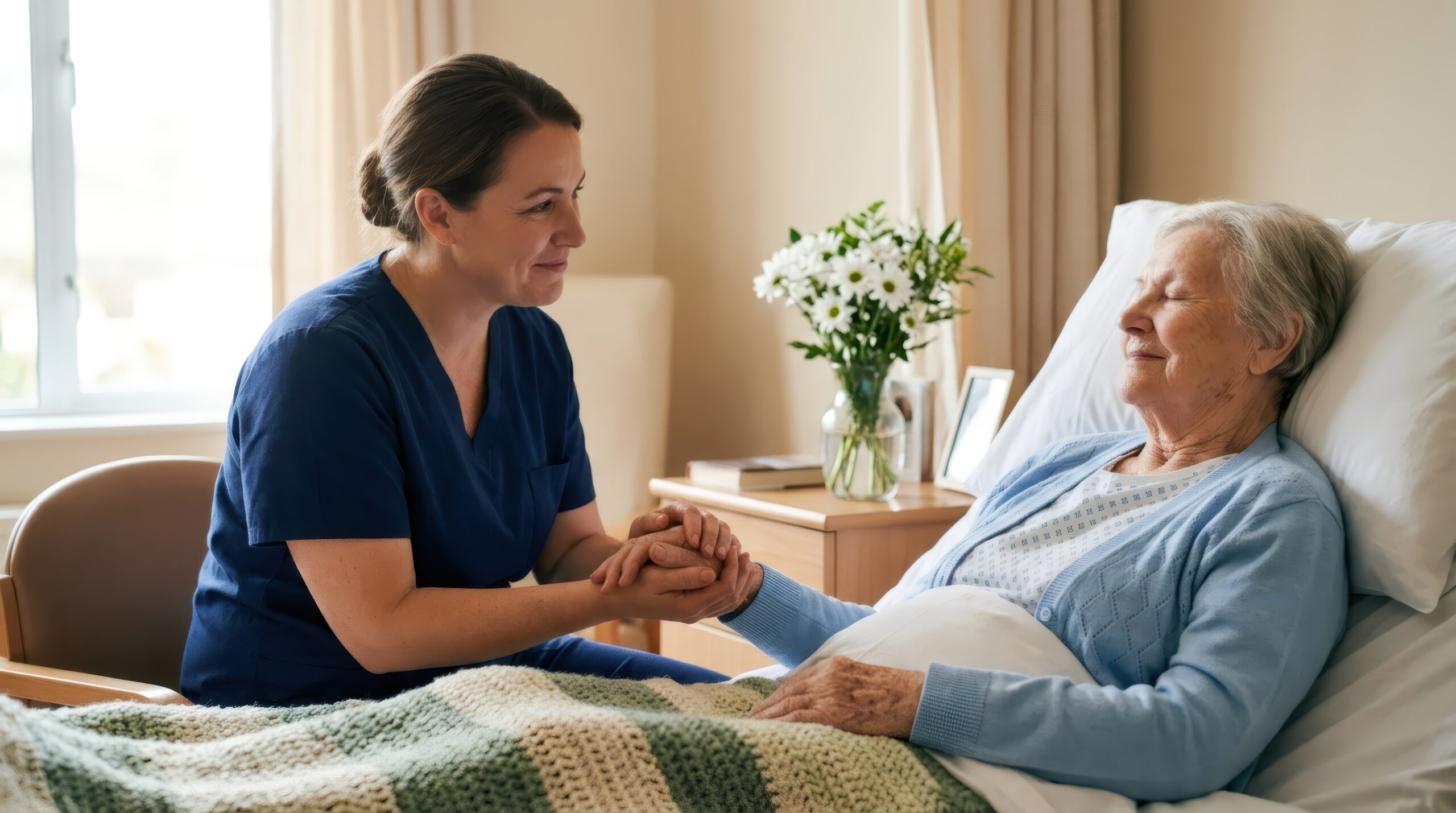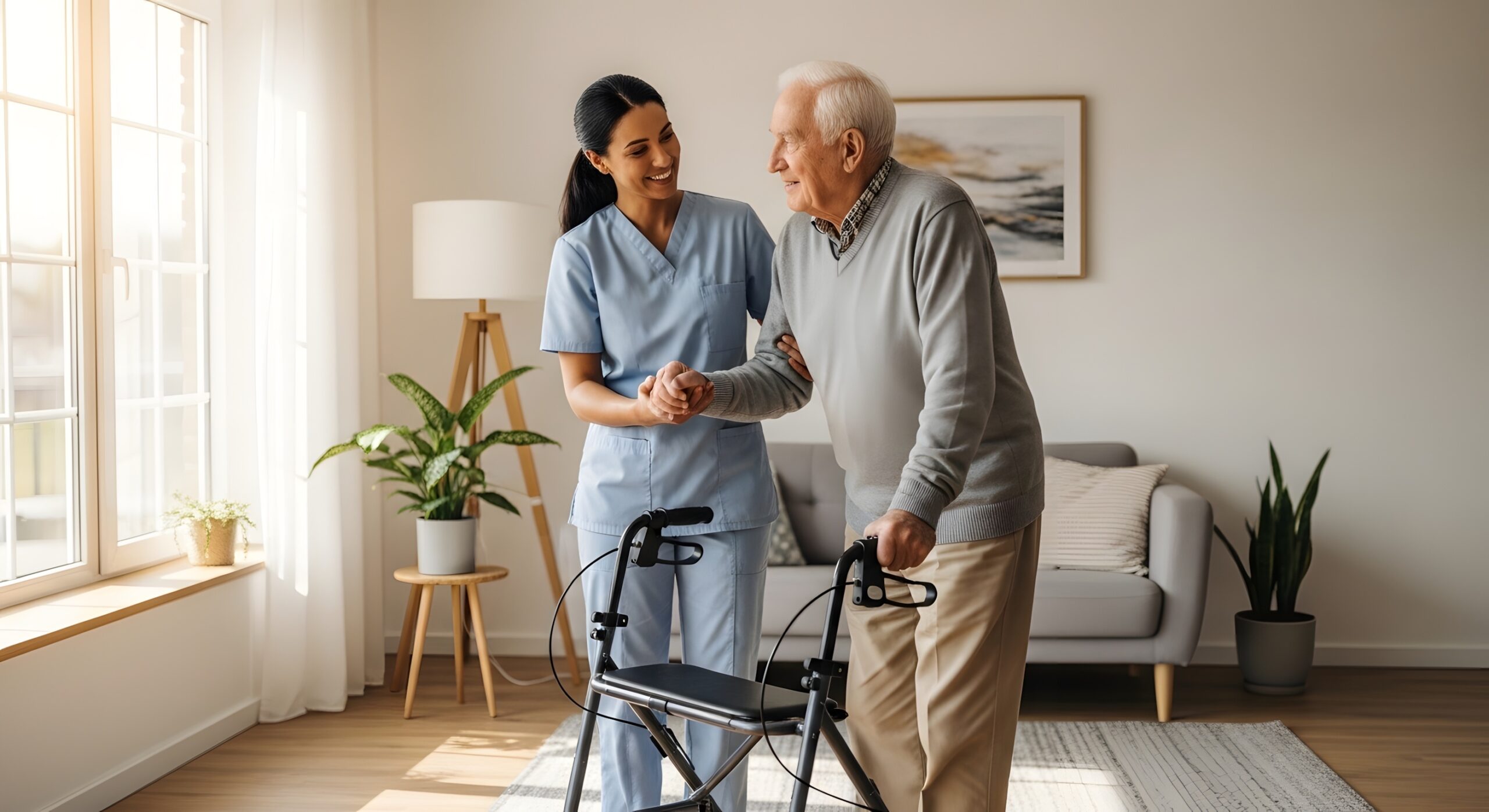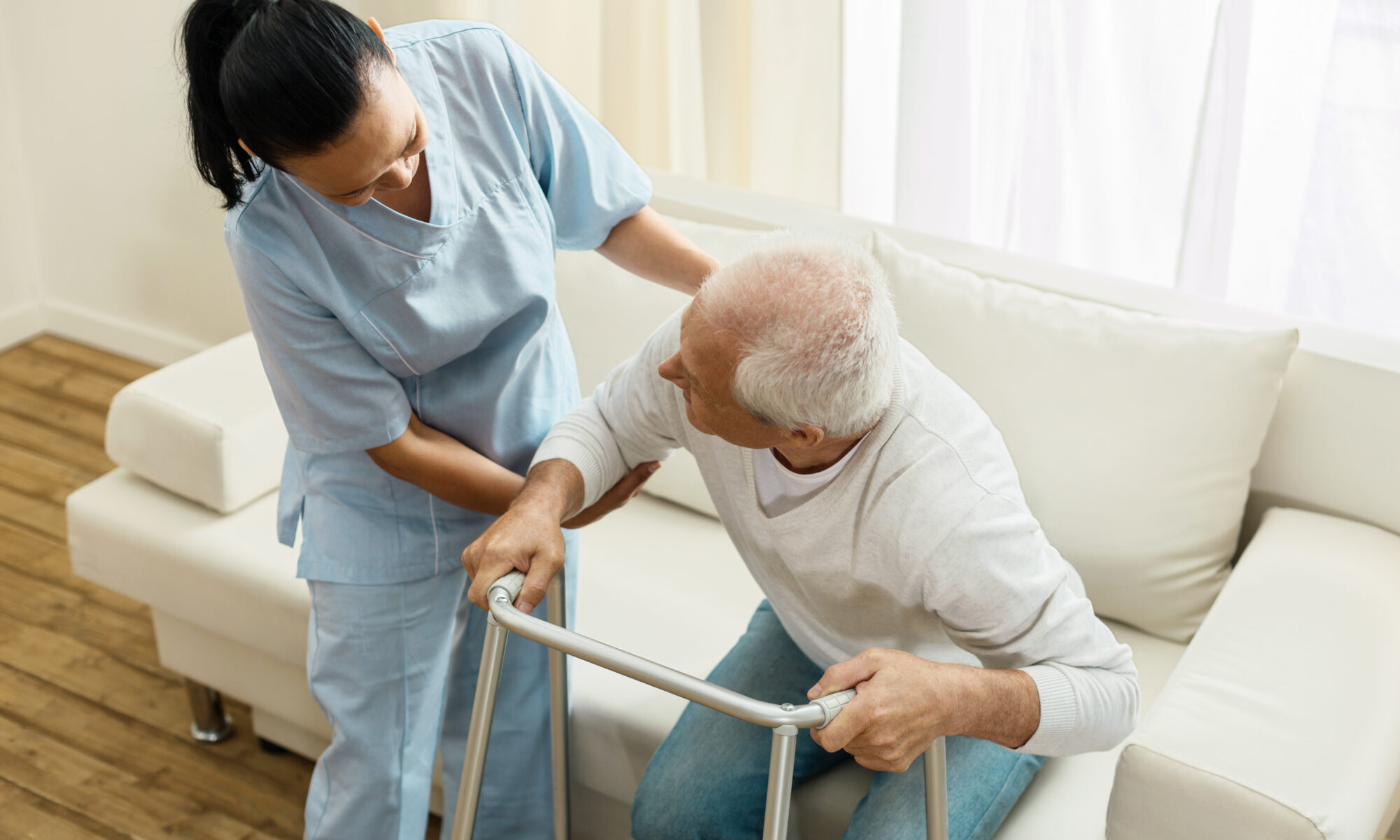
Caregivers serve as essential pillars of support for millions of individuals who need assistance with daily activities, medical care, or emotional support. Whether providing care for aging parents, individuals with disabilities, or those managing chronic illnesses, caregivers take on multifaceted responsibilities that extend far beyond basic assistance.
What Does a Caregiver Do?
Caregivers perform a wide range of duties that vary significantly based on the care recipients’ specific needs and circumstances. These responsibilities often evolve as conditions change or progress over time.
Personal care assistance forms the foundation of many caregiving relationships. This includes:
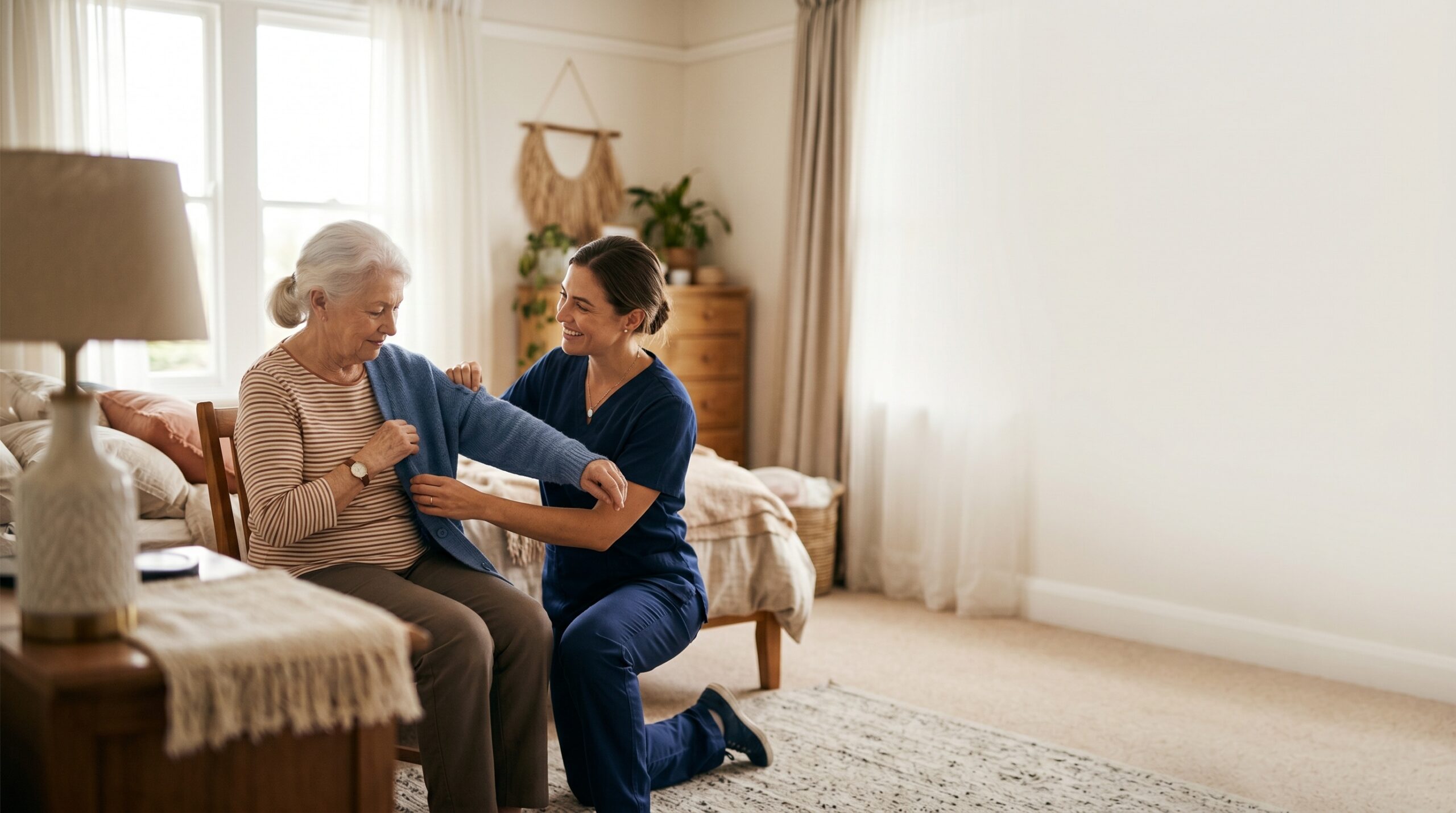
- Helping with bathing, dressing, and grooming
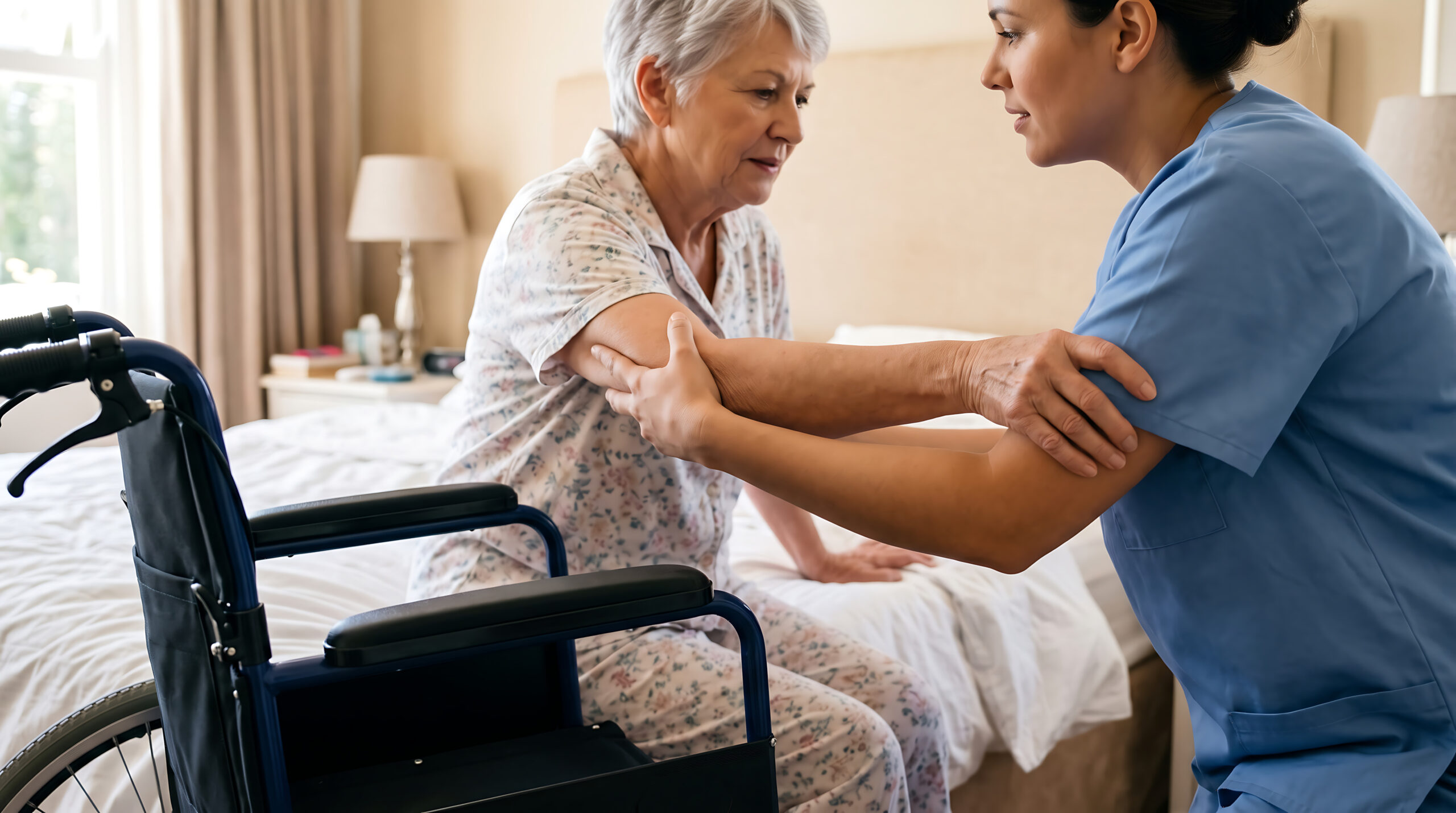
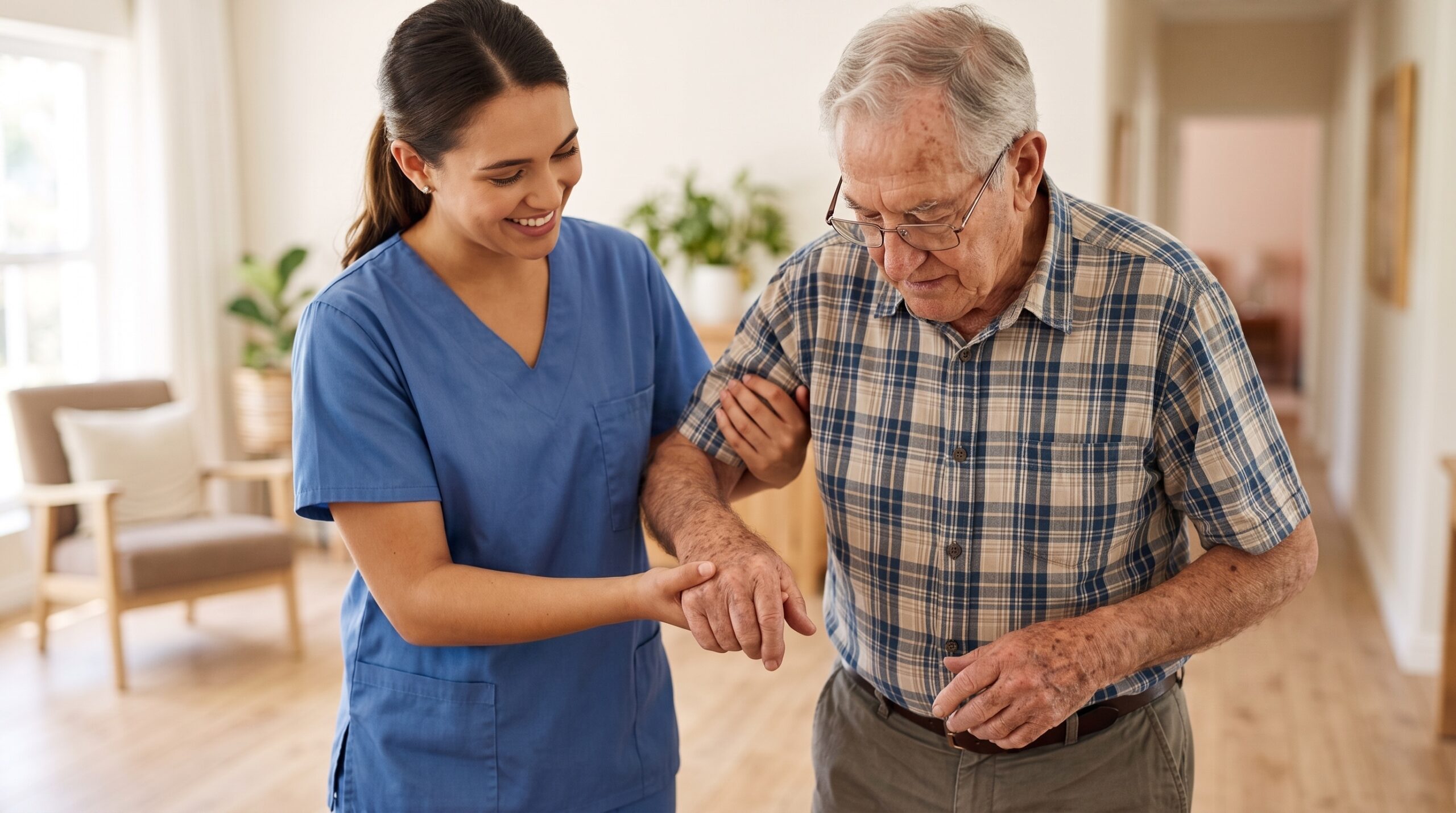
- Assisting with mobility and transfers
- Managing toileting and incontinence care
- Providing meal preparation and feeding assistance
- Reminding clients to take medication
Household management responsibilities ensure a safe and comfortable living environment. Caregivers often handle cleaning, laundry, grocery shopping, and home maintenance tasks. They may also manage finances, coordinate appointments, and handle insurance matters.
Medical support varies from basic health monitoring to complex medical procedures. Some caregivers track vital signs, manage medical equipment, coordinate with healthcare providers, and ensure treatment plan compliance.
If your elderly loved one needs help maintaining a high quality of life while aging in place, reach out to Assisting Hands Home Care, a trusted provider of Home Care Savannah. Our caregivers provide transportation to and from medical appointments and social events, nutritious meal preparation, assistance with daily exercise, and help with everyday tasks like bathing, grooming, and light housekeeping.
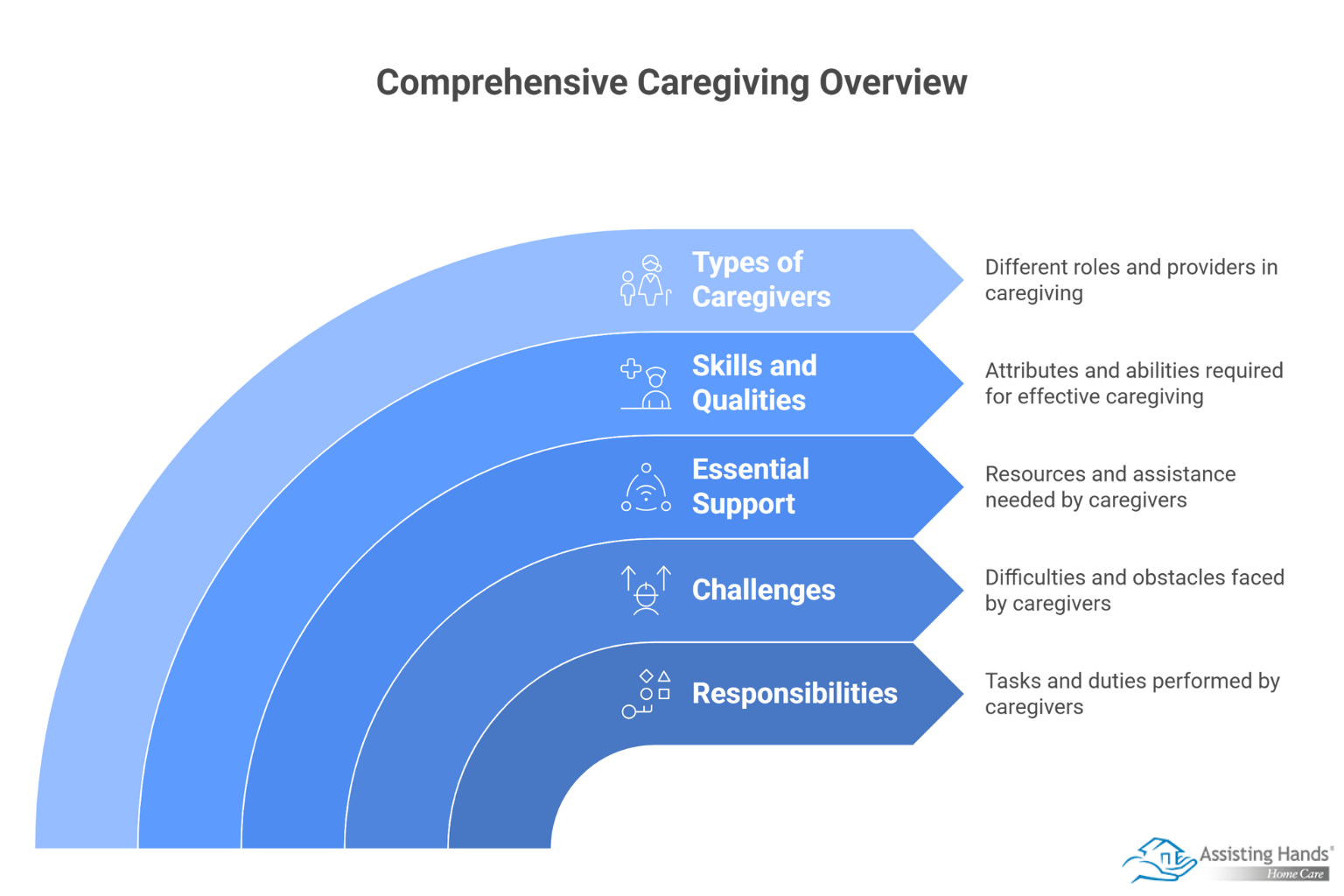
Types of Caregivers
The caregiving landscape includes various types of providers, each with different training levels, responsibilities, and relationships to care recipients.
Family caregivers represent the largest group, often providing unpaid care to relatives or close friends. These individuals typically lack formal training but possess intimate knowledge of their loved ones’ preferences, histories, and personalities. Family caregivers may provide part-time or full-time assistance depending on need levels.
Professional caregivers include home caregivers providing nonmedical care, certified nursing assistants, and licensed practical nurses who receive formal training and certification. They work through agencies or as independent contractors, providing skilled care services and specialized support.
Live-in caregivers provide around-the-clock assistance for individuals requiring constant supervision or support. This arrangement works particularly well for people with dementia, severe mobility limitations, or complex medical needs who want to remain in their homes.
Aging in place can present a few unique challenges for older adults. Some only require part-time assistance with exercise or meal preparation, while others are living with serious illnesses and benefit more significantly from receiving live-in care. Savannah, GA, Assisting Hands Home Care are leaders in the elderly in-home care industry for good reason. We tailor our care plans based on each senior’s individual needs, our caregivers continue to receive updated training in senior care as new developments arise, and we also offer comprehensive care for seniors with Alzheimer’s, dementia, and Parkinson’s.
Essential Skills and Qualities
Effective caregiving requires a unique combination of technical skills, emotional intelligence, and personal qualities that enable providers to deliver compassionate, competent care.
Communication skills are crucial for understanding needs, providing reassurance, and coordinating with healthcare teams. Caregivers must adapt their communication styles based on cognitive abilities, hearing impairments, or language barriers their care recipients may experience.
Physical capabilities matter significantly, since caregiving often involves lifting, transferring, and assisting with mobility. Proper body mechanics training can prevent injury while ensuring safe care delivery.
Emotional resilience helps caregivers manage the stress, frustration, and grief that often accompany their role. The ability to remain patient during difficult behaviors, cope with progressive physical or cognitive decline, and maintain boundaries while showing compassion proves essential for long-term success.
Problem-solving abilities enable caregivers to adapt quickly to changing situations, recognize health emergencies, and find creative solutions to daily challenges. This flexibility becomes particularly important when caring for individuals with dementia or unpredictable medical conditions.
Challenges Caregivers Face
Caregiving presents numerous physical, emotional, and practical challenges that can significantly impact well-being and care quality if not properly addressed.
Physical demands include the strain of lifting, long hours on their feet, and sleep disruption from overnight care needs. Many caregivers experience back injuries, fatigue, and other health problems related to their caregiving duties.
Emotional stress stems from watching loved ones’ health decrease, managing difficult behaviors, and feeling overwhelmed by responsibilities. Caregiver depression, anxiety, and burnout occur frequently, particularly among family caregivers who lack adequate support systems. At this stage, it becomes essential to protect caregiver mental health by ensuring they have the emotional resources, guidance, and breaks they need to continue providing effective care.
Financial pressures affect both professional and family caregivers. Family members may reduce work hours or leave employment entirely to provide care, while professional caregivers often earn modest wages despite their essential role.
Social isolation frequently develops as caregiving responsibilities limit opportunities for social interaction and personal activities. This isolation can compound emotional stress and reduce access to support networks.
The Importance of Caregiver Support
Recognizing caregivers as partners in healthcare and providing adequate support benefits everyone involved in the care relationship. Support systems can prevent burnout, enhance care quality, and enable sustainable caregiving arrangements.
Respite care services are among the most requested home care services, as they provide temporary relief, allowing primary caregivers to rest, attend appointments, or maintain personal relationships. These services can prevent caregiver exhaustion and extend the ability to provide home-based care.
Training and education help both family and professional caregivers develop skills, understand conditions, and implement best practices. Proper training reduces injury risk and increases confidence in handling complex care situations.
Professional resources, including support groups, counseling services, and care coordination assistance, provide emotional support and practical guidance. These resources help caregivers navigate challenges and connect with others facing similar situations.
Seniors can face a variety of age-related challenges. Though some families choose to take on the caregiving duties, there may come a time when they need a trusted Savannah elderly home care provider. Families sometimes need respite from their duties so they can focus on their other responsibilities, and some seniors need around-the-clock assistance that their families are not able to provide. Assisting Hands Home Care is here to help. Call us today to discuss how we can give you the peace of mind that comes from knowing your loved one is being cared for with professionalism and compassion.