
Caring for a senior loved one with dementia is both rewarding and challenging, often requiring a significant amount of time, dedication, and emotional energy. Respite care provides a much-needed break for caregivers, offering temporary relief while ensuring their loved ones continue to receive high-quality care. Below, we explore what respite care is and how it can benefit caregivers and their loved ones living with dementia.
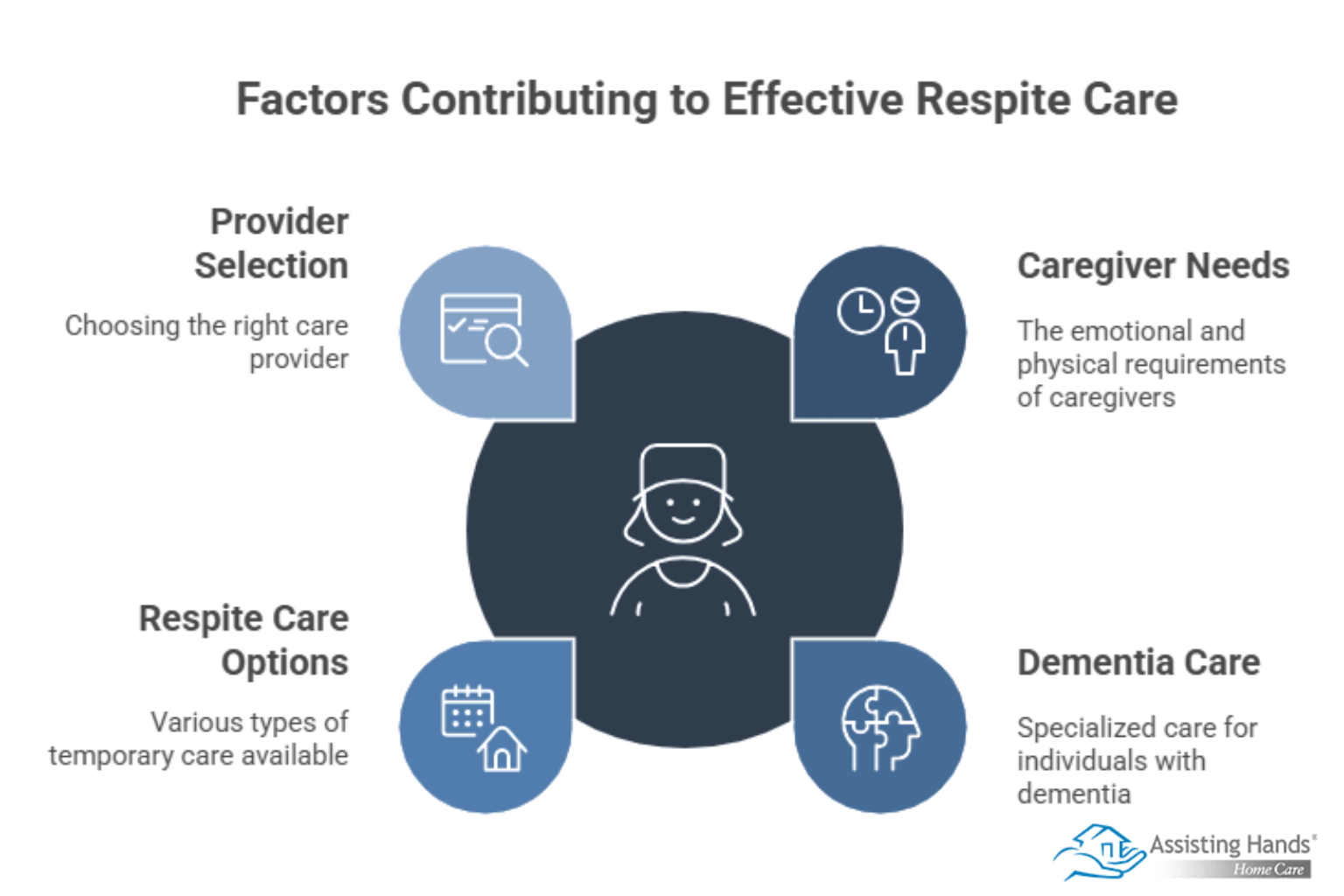
What Is Respite Care?
Respite care is a form of temporary care designed to provide relief to primary caregivers of individuals with chronic illnesses, disabilities, or dementia. It can be provided at home, in a day center, or within specialized facilities like assisted living or nursing homes. Whether it’s for a few hours a week or an extended period, respite care ensures you can step away to recharge, manage personal responsibilities, or simply take a well-deserved break.
The Benefits of Respite Care for Dementia Caregivers
Dementia caregiving can be physically and emotionally draining. Without proper support, caregivers often face burnout, stress, and health challenges. Here are some key benefits respite care offers:
- Reduces caregiver burnout – Respite care can prevent exhaustion and emotional strain, giving you the chance to relax or attend to other obligations.
- Boosts mental health – A break from caregiving duties can help you regain mental clarity and emotional balance.
- Enhances the quality of care – When you’re rested and refreshed, you’re better equipped to provide attentive and compassionate care to your loved one.
- Allows social engagement – You can use the time to reconnect with friends and family, participate in social activities, or pursue hobbies you may have set aside.
One of the most challenging tasks of helping an elderly relative age in place safely and comfortably is researching agencies that provide Home Care Savannah. Turn to Assisting Hands Home Care for reliable, high-quality in-home care for aging adults. We offer 24-hour care for seniors who require extensive assistance, and we also offer respite care for family caregivers who need a break from their caregiving duties.
Types of Respite Care
There are several types of respite care available to dementia caregivers, each catering to different needs and circumstances:
- In-home respite care – A professional caregiver, companion, or healthcare aide comes to the home to look after your loved one. This option allows your loved one to remain in a familiar environment while you take a break.
- Adult day centers – These centers provide structured activities, socialization opportunities, and medical care during the day, giving you time to work, run errands, or rest.
- Overnight and short-term stays – Some assisted living facilities and nursing homes offer temporary overnight or short-term stays. This option can be particularly helpful if you need to travel or take an extended leave.
- Volunteer respite services – Certain nonprofit organizations and community groups offer volunteer respite services to provide temporary care and companionship.
The type of at-home care Savannah seniors need can vary. Some need assistance a few hours a day, while others require more extensive around-the-clock assistance. At Assisting Hands Home Care, we tailor our care plans based on each senior’s individual care needs, and the plans can be adjusted at any time. We are a trusted provider of respite and 24-hour care, and we also offer some of the most requested support Savannah families look for, including specialized Alzheimer’s, dementia, Parkinson’s, and stroke care for seniors.
How to Choose the Right Respite Care Option
Choosing the right respite care option for your situation depends on your loved one’s needs and preferences and your own circumstances. Here are some steps to guide your decision:
- Evaluate needs – Identify the level of care required, whether it involves help with daily activities, medical care, or social interaction.
- Research providers – Look for reputable care providers with experience in dementia care. Check reviews, references, and certifications to ensure quality.
- Visit facilities – If considering adult day centers or short-term stays, visit the facilities in person to assess their environment, staff, and services.
- Plan ahead – Schedule respite care in advance whenever possible. This ensures availability and allows time for your loved one to adjust to new caregivers or routines.
Tips for Making the Most of Respite Care
Once you’ve arranged for respite care, it’s important to make the most of the time provided. Here are a few tips:
- Communicate clearly – Provide detailed information about your loved one’s routine, preferences, and care needs to the respite care provider.
- Prioritize yourself – Use the time to focus on your own wellbeing. Rest, exercise, or engage in activities that bring you joy and rejuvenation.
- Ease the transition – If your loved one feels anxious about new caregivers, introduce them gradually to foster trust and comfort.
- Stay connected – Even while taking a break, maintain communication with the respite caregiver to stay informed about your loved one’s condition and progress.
Caring for seniors with dementia can be challenging for family caregivers. Luckily, there is dementia care Savannah families can rely on. Professional dementia caregivers help seniors with dementia stay safe and comfortable at home by preventing wandering, providing cognitive stimulation, and assisting with household chores. If you need professional home care for your aging loved one, our Care Specialists are just a phone call away. Reach out to Assisting Hands Home Care today.