Caring for a senior loved one with dementia is an emotional and complex experience. While many families strive to provide care at home, there may come a time when professional assistance becomes essential for your loved one’s safety and well-being, as well as your own peace of mind. Here’s a closer look at the signs and scenarios that indicate it may be time to explore professional care options.
Increasing Safety Concerns
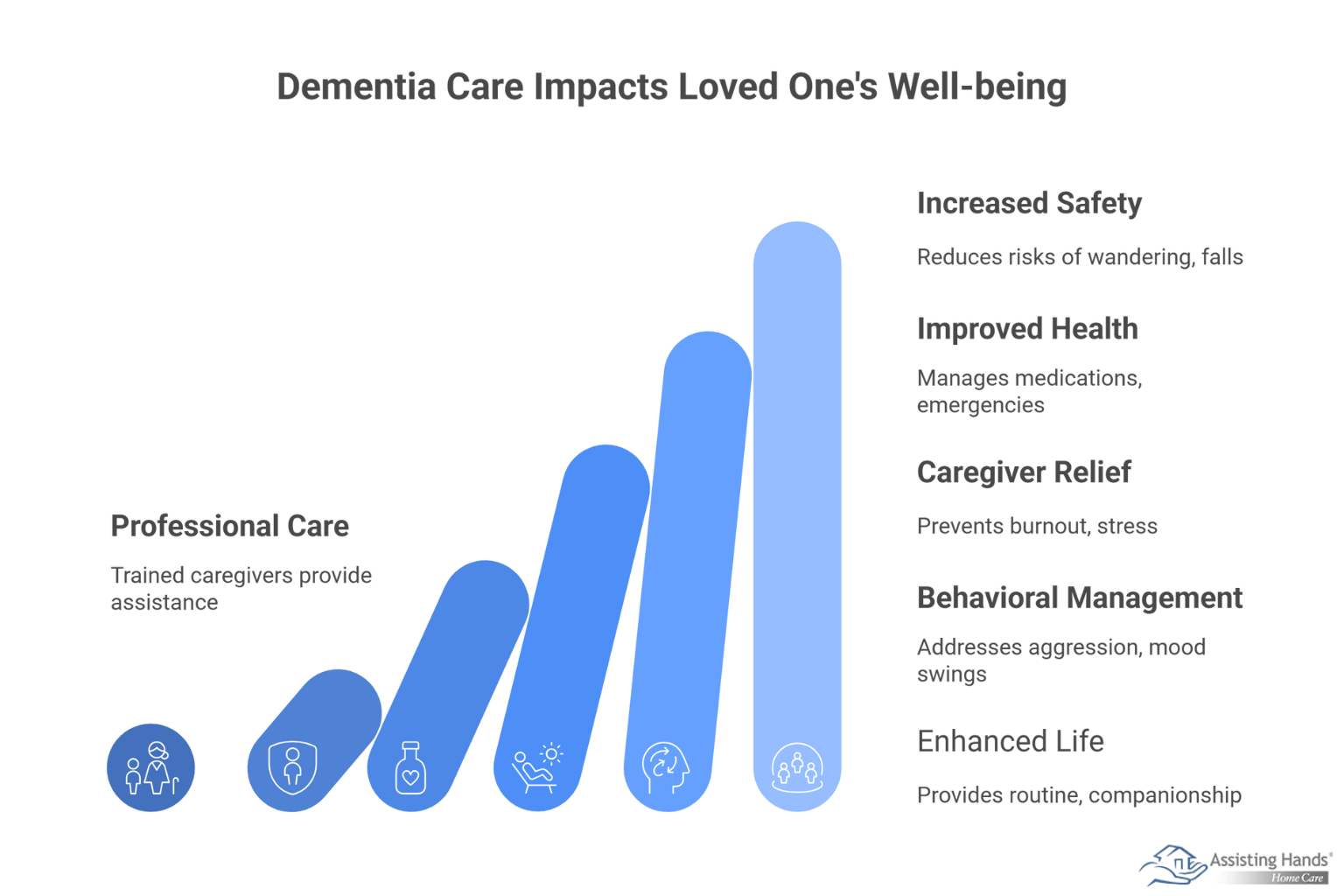
One of the most pressing reasons to consider professional care is when your loved one’s safety becomes a constant concern. Dementia often leads to confusion, disorientation, and behaviors that can jeopardize your loved one’s well-being. For example:
- Frequent wandering, which poses risks of getting lost or injured
- Difficulty using household items safely, such as leaving the stove on or mishandling sharp objects
- Increased falls or difficulty navigating familiar spaces due to reduced motor skills or cognitive function
If making modifications at home no longer feels sufficient to ensure your loved one’s safety, a professional in-home caregiver or a facility with trained staff and a secure environment may be the best option.
Worsening Health or Medical Needs
Over time, dementia may be accompanied by other chronic or acute health conditions requiring specialized care. Monitoring medications, administering treatments, and handling medical emergencies can become overwhelming for family caregivers. Signs that professional care is needed include:
- Your loved one develops conditions like diabetes or heart disease that require regular and precise management
- Your loved one experiences difficulty swallowing or eating, leading to nutritional deficits or sudden weight loss.
- You have difficulty managing symptoms of incontinence or other health issues that require 24/7 oversight
A professional caregiver can provide skilled nonmedical attention and ensure prompt responses to changes in your loved one’s health.
Caregiver Burnout
Caring for someone with dementia can take a significant toll on your physical and emotional well-being. Burnout is common among family caregivers, often leading to stress, anxiety, or even feelings of guilt. You might notice:
- Persistent exhaustion or lack of sleep due to caregiving responsibilities
- Difficulty balancing caregiving duties with work, family, or personal needs
- Feeling increasingly resentful, depressed, or helpless
It’s vital to prioritize your own health and well-being. A professional caregiver can offer respite while ensuring your loved one gets the attention he or she needs.
Even when families have the best intentions, caring for a senior loved one with dementia can be challenging. Fortunately, Assisting Hands Home Care is here to help. We are a leading provider of dementia care. Savannah families can take advantage of our flexible and customizable care plans, and our caregivers always stay up to date on the latest developments in senior care.
Challenges with Behavioral Symptoms
Many individuals with dementia develop challenging behavioral symptoms that can be difficult to manage at home. These symptoms may include:
- Aggression, agitation, or outbursts that put themselves or others at risk
- Significant mood swings, such as depression or severe anxiety
- Hallucinations or paranoia that may lead to confusion or harmful reactions
Professional caregivers are trained to address these symptoms compassionately and effectively, often providing strategies and interventions that family members might not be equipped to handle.
Professionally trained caregivers can assist seniors with an array of tasks and offer respite for family members. If your senior loved one has been diagnosed with a serious condition and needs help with tasks like meal prep, transportation, bathing, and grooming, reach out to Assisting Hands Home Care, a leading provider of home care services families can trust. We also offer comprehensive care for seniors with dementia, Alzheimer’s, and Parkinson’s.
Decreasing Quality of Life
Another important factor to assess is whether your loved one is still able to enjoy a good quality of life at home. Homes that lack stimulation or social interaction may cause individuals with dementia to feel isolated or bored, exacerbating their condition. Signs of decreasing quality of life include:
- Withdrawal from activities your loved one once enjoyed
- Increasing loneliness due to limited social interactions
- Changes in emotional wellbeing, such as prolonged sadness or frustration
Professional care can provide a structured routine, group activities, and companionship, all of which can enhance overall happiness.
If you have a senior loved one who needs help maintaining a high quality of life while aging in place, reach out to Assisting Hands Home Care, a leading provider of Home Care Savannah families can trust. Our caregivers help seniors focus on healthy lifestyle habits such as eating nutritious foods, exercising regularly, and maintaining strong social ties, and we offer mentally stimulating activities that can boost cognitive health. To create a customized home care plan for your loved one, call Assisting Hands Home Care today.